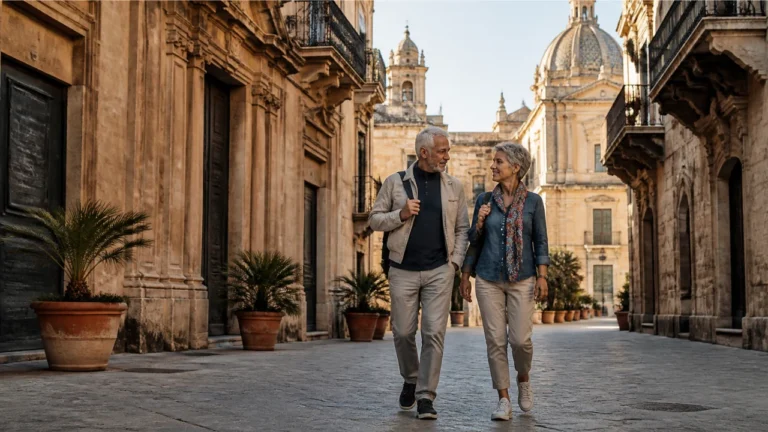
Tuscany can be a comfortable trip after 50 when you choose fewer stops and leave room to rest. You can spend more time in each place, enjoy the region at a manageable pace, and still see art, architecture, and countryside. A rewarding visit does not require racing between every famous town. This practical guide helps you choose a base, plan days, get around, and make room for good food and memorable sights. It also covers mobility needs, lodging access, and simple ways to keep travel flexible. The aim is depth, not checking off every town on a maphttps://travelminx.com/palermo-itinerary-travelers-over-50/. Edit Full screen View original Delete Tuscany for travelers over 50 You can shape the trip around what feels comfortable, whether that means a city stay, a countryside retreat, or a mix. Leave space between outings for a coffee, a rest, or a change of plans. A good plan leaves enough time to enjoy an unhurried meal without watching the clock. Key Takeaways How to Plan Tuscany for Travelers Over 50 at a Comfortable Pace Slow travel means choosing fewer bases and giving each one enough time to feel familiar. Four nights per base is a useful planning rule of thumb, not a requirement, and it gives you time to settle in. A shorter trip can work well from one base rather than forcing several stops into a few days. Give each base enough time Changing hotels can take more time than the drive or train ride suggests. You still need to pack, check out, reach the next town, and get settled before going out again. On a week-long trip, one or two bases can leave more usable hours than a string of overnight stays. Think about the time you want for familiar routines, too. Staying put lets you learn the nearest café, find a comfortable route, and return to your room between outings. That can make a full week feel less like a series of transfers and more like a stay. Build a lighter day around one main experience Choose one major experience for each day, such as a museum, a guided walk, or a countryside tasting. A second stop can be a bonus, not a commitment. The amount of walking, the heat, and how long you enjoy lunch can all change the shape of a day. Use four decisions to give the trip a steady rhythm: Keep the day’s plan light enough that an enjoyable meal or a needed rest does not feel like a delay. A short trip may be easier with one base and a single day trip than with several overnight stops. You can still make a day feel special with a planned visit, followed by time to sit and enjoy where you are. If moving hotels would consume the morning, give that night to the base you already have. When Is the Best Time to Visit Tuscany? Spring and fall are strong choices if you want comfortable sightseeing without the peak of summer heat. October typically brings daytime temperatures of 59-72°F, though the weather can shift during the day. Your best time also depends on how you handle heat and whether you prefer lively streets or quieter visits. Spring brings mild days, fresh green landscapes, and a gradual rise in visitor numbers as the season advances. Temperatures can change between morning and afternoon, so a pleasant forecast is not a promise of steady weather. Early summer often offers long days, but the heat builds and popular places grow busier. Summer brings the strongest heat and busiest conditions, especially around major cities and popular destinations. Plan outdoor walks early or later in the day if high temperatures wear you down. Winter is cooler and quieter, with shorter days; some countryside businesses and seasonal services may operate less often. October is a practical example of fall’s mixed conditions. Tuscany averages about nine rainy days and 3-4 inches of rainfall that month, but those averages do not predict the weather for your dates. You may have bright afternoons, showers, or both during the same visit. Shoulder-season days can feel different from one hour to the next. A sunny morning may turn cloudy, while a cool start can give way to a mild afternoon. Keep sightseeing plans flexible enough to switch an outdoor outing and an indoor visit when conditions change. Visitor levels also vary by place and date. Florence’s main sights can stay busy outside summer, while smaller towns may feel quieter on weekdays. If you want a slower visit, choose dates that suit your comfort first, then allow extra time at the busiest sights. Keep one flexible indoor option in mind for a rainy day, especially on an October trip. Which Tuscan Towns Make the Easiest Bases? The easiest base depends on whether you value city services, flatter walks, or countryside access most. Florence and Lucca offer city amenities and rail connections, while Siena, Pienza, and a countryside agriturismo suit different hill-town and vineyard plans. Historic centers can include slopes, steps, and uneven paving, so compare routes rather than judging by a town’s size. City bases for trains and everyday needs Florence is a practical city base if you want major museums, restaurants, and rail access in one place. Its central streets can be busy, and your daily walking distance depends on where you stay. Lucca is smaller, with services inside its Renaissance walls and a 2.6-mile circuit around them. Edit Delete The wall circuit in Lucca offers a flatter outing than many hill-town routes, though it does not make every street easy to navigate. Pienza’s compact historic center can be explored in about 2-3 hours, but its setting still includes slopes and uneven surfaces. Siena has services and attractions, with a historic center that rises from its station. Countryside bases for villages and vineyards A countryside agriturismo is a farm stay that offers lodging in the countryside. It can make a good home for vineyard visits and rural scenery, but outings may depend on a car, driver, or planned bus connections. A Val d’Orcia town can put you near Pienza and other scenic places, while daily errands may be less convenient than in a city. Compare the trade-offs before choosing a base: Base Best fit Practical trade-off Florence Museums, restaurants, rail access Busy streets and longer walks between sights Lucca City services and a wall circuit Some routes still include uneven paving Val d’Orcia town Hill towns and countryside scenery Rural outings may need a car or driver […]
Tuscany can be a comfortable trip after 50 when you choose fewer stops and leave room to rest. You can spend more time in each place, enjoy the region at a manageable pace, and still see art, architecture, and countryside. A rewarding visit does not require racing between every famous town.
This practical guide helps you choose a base, plan days, get around, and make room for good food and memorable sights. It also covers mobility needs, lodging access, and simple ways to keep travel flexible. The aim is depth, not checking off every town on a maphttps://travelminx.com/palermo-itinerary-travelers-over-50/.

Edit
Full screen
Delete
Tuscany for travelers over 50
You can shape the trip around what feels comfortable, whether that means a city stay, a countryside retreat, or a mix. Leave space between outings for a coffee, a rest, or a change of plans. A good plan leaves enough time to enjoy an unhurried meal without watching the clock.
Key Takeaways
- Choose fewer places and give each base several nights.
- Plan one main sight or activity for each day.
- Use trains for some city connections and plan rural travel separately.
- Check walking routes and room access before booking.
- Leave room for long meals and quiet afternoons.
How to Plan Tuscany for Travelers Over 50 at a Comfortable Pace
Slow travel means choosing fewer bases and giving each one enough time to feel familiar. Four nights per base is a useful planning rule of thumb, not a requirement, and it gives you time to settle in. A shorter trip can work well from one base rather than forcing several stops into a few days.
Give each base enough time
Changing hotels can take more time than the drive or train ride suggests. You still need to pack, check out, reach the next town, and get settled before going out again. On a week-long trip, one or two bases can leave more usable hours than a string of overnight stays.
Think about the time you want for familiar routines, too. Staying put lets you learn the nearest café, find a comfortable route, and return to your room between outings. That can make a full week feel less like a series of transfers and more like a stay.
Build a lighter day around one main experience
Choose one major experience for each day, such as a museum, a guided walk, or a countryside tasting. A second stop can be a bonus, not a commitment. The amount of walking, the heat, and how long you enjoy lunch can all change the shape of a day.
Use four decisions to give the trip a steady rhythm:
- Limit hotel changes so travel days do not take over the week.
- Schedule one main sight or activity each day.
- Leave a rest window before or after your main outing.
- Keep meal times flexible instead of filling every hour.
Keep the day’s plan light enough that an enjoyable meal or a needed rest does not feel like a delay.
A short trip may be easier with one base and a single day trip than with several overnight stops. You can still make a day feel special with a planned visit, followed by time to sit and enjoy where you are. If moving hotels would consume the morning, give that night to the base you already have.
When Is the Best Time to Visit Tuscany?
Spring and fall are strong choices if you want comfortable sightseeing without the peak of summer heat. October typically brings daytime temperatures of 59-72°F, though the weather can shift during the day. Your best time also depends on how you handle heat and whether you prefer lively streets or quieter visits.
Spring brings mild days, fresh green landscapes, and a gradual rise in visitor numbers as the season advances. Temperatures can change between morning and afternoon, so a pleasant forecast is not a promise of steady weather. Early summer often offers long days, but the heat builds and popular places grow busier.
Summer brings the strongest heat and busiest conditions, especially around major cities and popular destinations. Plan outdoor walks early or later in the day if high temperatures wear you down. Winter is cooler and quieter, with shorter days; some countryside businesses and seasonal services may operate less often.
October is a practical example of fall’s mixed conditions. Tuscany averages about nine rainy days and 3-4 inches of rainfall that month, but those averages do not predict the weather for your dates. You may have bright afternoons, showers, or both during the same visit.
Shoulder-season days can feel different from one hour to the next. A sunny morning may turn cloudy, while a cool start can give way to a mild afternoon. Keep sightseeing plans flexible enough to switch an outdoor outing and an indoor visit when conditions change.
Visitor levels also vary by place and date. Florence’s main sights can stay busy outside summer, while smaller towns may feel quieter on weekdays. If you want a slower visit, choose dates that suit your comfort first, then allow extra time at the busiest sights.
Keep one flexible indoor option in mind for a rainy day, especially on an October trip.
Which Tuscan Towns Make the Easiest Bases?
The easiest base depends on whether you value city services, flatter walks, or countryside access most. Florence and Lucca offer city amenities and rail connections, while Siena, Pienza, and a countryside agriturismo suit different hill-town and vineyard plans. Historic centers can include slopes, steps, and uneven paving, so compare routes rather than judging by a town’s size.
City bases for trains and everyday needs
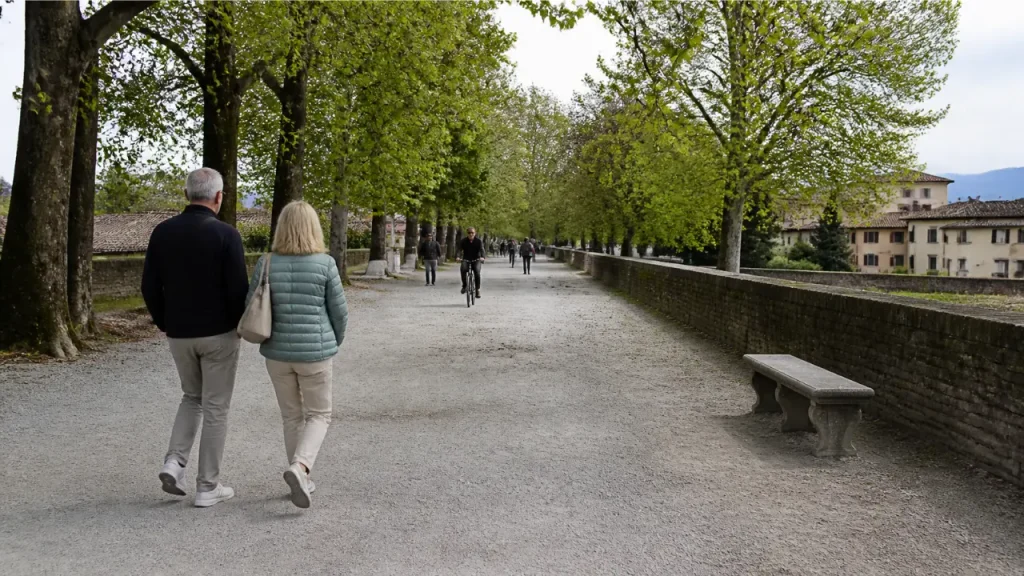
Florence is a practical city base if you want major museums, restaurants, and rail access in one place. Its central streets can be busy, and your daily walking distance depends on where you stay. Lucca is smaller, with services inside its Renaissance walls and a 2.6-mile circuit around them.
Edit
Delete
The wall circuit in Lucca offers a flatter outing than many hill-town routes, though it does not make every street easy to navigate. Pienza’s compact historic center can be explored in about 2-3 hours, but its setting still includes slopes and uneven surfaces. Siena has services and attractions, with a historic center that rises from its station.
Countryside bases for villages and vineyards
A countryside agriturismo is a farm stay that offers lodging in the countryside. It can make a good home for vineyard visits and rural scenery, but outings may depend on a car, driver, or planned bus connections. A Val d’Orcia town can put you near Pienza and other scenic places, while daily errands may be less convenient than in a city.
Compare the trade-offs before choosing a base:
| Base | Best fit | Practical trade-off |
| Florence | Museums, restaurants, rail access | Busy streets and longer walks between sights |
| Lucca | City services and a wall circuit | Some routes still include uneven paving |
| Val d’Orcia town | Hill towns and countryside scenery | Rural outings may need a car or driver |
Siena, Pienza, and rural stays work best when their terrain and transport suit your plans. A beautiful view can come with a climb back to your room, while a central location may cut down on transfers. Choose accommodation near the places you expect to visit on foot, not just the prettiest view.
What Does a Relaxed One-Week Tuscany Itinerary Look Like?
A comfortable week can combine Florence, one easy city day trip, and a few countryside days without changing hotels every night. This example uses a manageable mix of city sights and rural scenery, with each day centered on one main outing. It works best with a countryside car or driver for the rural days, and you can omit a stop rather than rush.
The table shows the general shape of the week, not a fixed route. You might keep Florence as your first base, then move to a countryside base for the final days. Staying longer in one area can be more comfortable than following every row exactly.
| Day block | Base or area | One main outing | Pace note |
| Days 1-2 | Florence | One major museum or city walk | Leave a quiet afternoon between visits |
| Day 3 | Lucca | Explore the historic center | Keep the outing focused and return comfortably |
| Day 4 | Chianti | Visit a winery or countryside area | Arrange a car or driver for the rural route |
| Day 5 | Siena | Visit the historic center | Allow time for the approach from the station |
| Days 6-7 | Pienza and the Val d’Orcia | Explore one town or scenic area | Keep the final afternoon open |
Days 1 and 2 give you time to see Florence without treating the city as a checklist. Choose one major museum or landmark each day, then leave time for a café stop or a slower walk. On day 3, Lucca gives you a change of scene without adding another countryside transfer.
Chianti and the Val d’Orcia are easier to combine with a car or driver than with improvised connections. A winery visit also needs a transport plan if you intend to taste wine. Siena can fit between the two rural areas, but reaching the historic center from the station takes extra effort.
The schedule works as a starting point, not a test to complete. If you would rather settle into a single countryside base, spend more time in one area and remove a stop. The best version is the one that leaves you with time to enjoy the places you choose.
Keep the final afternoon open so a delayed connection or a favorite meal does not unravel the plan.
How Can You Get Around Tuscany Without Overloading Your Days?
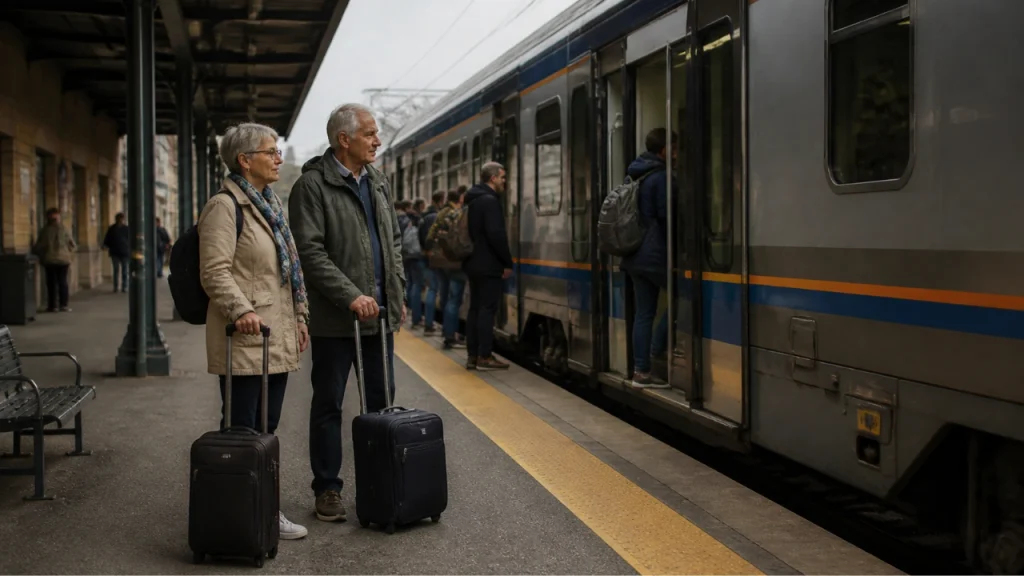
Trains work well for some city connections, while a car or bus may be needed for rural stops. Florence-Siena regional trains take about 1.5 hours, with up to 16 trains per day; weekends and holidays may bring fewer, slower services. Choose transport around the route, not the assumption that one option reaches every place.
Use regional trains for the Florence-Siena connection
Most Florence-Siena trains run direct, while some require a change in Empoli. Reservations are not required on these regional trains. The station in Siena is outside the city walls, and the historic center requires an uphill walk from there.
Local buses connect Siena station with Piazza Gramsci or Piazza del Sale. Some regional trains have first- and second-class cars, but not all do. There is no food service or café car, so bring anything you want to eat or drink during the ride.
Regional train tickets have fixed prices, need not be bought in advance, have no assigned seats, and cost the same online and at the station. These rules suit local trips where advance booking does not lower the fare. Discounts for eligible longer-distance rail travelers are a separate offer, not a discount on fixed-price regional tickets.
Choose buses or a car for places beyond the rail network
Coaches and local buses can reach places trains do not serve directly, but schedules may limit your day. Autolinee Toscane urban tickets cost €2.00 for 70 minutes, or 90 minutes in Florence, from August 1, 2026. A ticket bought from the driver costs €3.00, and Siena-Florence fast coach fares start at €2.20.
Rental cars give you more flexibility for rural stops, but parking and restricted historic-center streets can add complications. A car is most useful when your lodging and outings are spread across the countryside. For a city-only stay, keeping the car parked may be simpler than using it for every trip.
| Option | Route or reach | Fare or timing | Useful caveat |
| Regional train | Florence-Siena | About 1.5 hours; up to 16 trains daily | Some services change in Empoli |
| Coach or local bus | City routes and selected towns | Urban ticket €2.00 from August 1, 2026 | Rural schedules can limit return choices |
| Rental car | Villages and countryside routes | Timing depends on route and traffic | Parking and restricted zones need attention |
Eligible CartaFreccia or X-GO members over 60 can get up to 50% off Frecciabianca and Intercity services under advance-purchase conditions. Eligible Italo travelers over 60 can get up to 60% off the Flex fare in Smart and Prima Business. The Senior Regionale promotion is for eligible X-GO cardholders 60 or older and has limited availability.
Check the return service before committing to a rural outing, especially on a weekend or holiday.
How Can You Make Tuscany Easier With Mobility Needs?
A manageable Tuscany visit starts by checking slopes, steps, and transfers before a booking is final. Check the route, not only the destination, because a short distance can still include steep streets or uneven paving. You can reduce strain without assuming that every historic place offers step-free access.
Reduce strain on town visits
Use a short, focused visit in places where the terrain may take extra effort. Siena has escalators linking some main parking areas with the historic center, but they are a useful option, not a complete accessibility solution. The Piazza del Campo is relatively level and has places to sit.

Edit
Full screen
Delete
Travelers taking a seated pause during a Siena town visit
Before booking, check four practical details that can change how a day feels:
- Walking distance from the station or parking area.
- Steps and slopes along the route to the places you plan to visit.
- A place to sit during visits or along the way.
- Room or vehicle access details that match your needs.
Comfortable shoes with grip can help on uneven streets, but footwear cannot remove a steep climb. You may prefer one short visit followed by a seated break instead of a long walking loop. Plan around the route you can comfortably manage rather than the number of sights nearby.
Arrange airport assistance before departure
Mobility assistance means airport support for travelers who need help moving through the terminal or boarding. For Florence Airport in 2026, make a request when booking if possible, and no later than 48 hours before departure. Wheelchair users must provide the wheelchair type, weight, and size at least 48 hours before departure.
Florence Airport has wheelchairs in its terminals and an ambulift to help wheelchair users board aircraft. That service can make the airport journey easier, but it does not answer every question about access at your destination. Confirm arrangements for each part of the trip separately.
Send wheelchair details to the airline or airport service at least 48 hours before departure.
What Should You Look for in a Tuscan Hotel or Agriturismo?
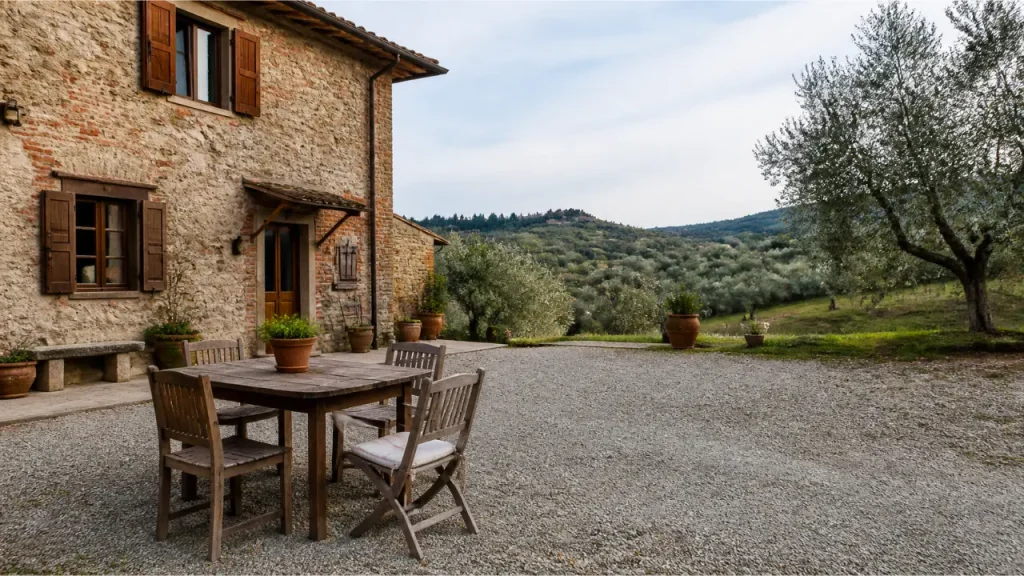
The right place to stay is the one that makes your daily routes and room access manageable. A central hotel can keep restaurants and sights close, while a countryside agriturismo offers a quieter setting and may require planned transport. Confirm the exact route to your room, not just whether the property describes itself as accessible.
Choose a room that fits your access needs
Ask about elevators, ground-floor rooms, bathroom layout, parking, paths, and luggage help. Find out whether the route from the entrance includes steps, slopes, or uneven ground. A hotel’s general description may not explain the details of the room you will actually book.
Consider how you will arrive and leave each day, too. A central hotel may suit you if you want to walk to meals and attractions. A rural property may be a better fit if you want countryside views and have a dependable way to reach nearby towns.
Decide whether a countryside stay suits your plans
Castello di Casole is one example of a hillside property, with 39 suites and two villas across its estate. Its layout includes steps and uneven ground, so guests should check room access against their mobility needs. It is about an hour’s drive from Florence Airport and 30 minutes by car from Siena.
The hotel can arrange transfers from Florence or Siena. That may help with arrival, but you should also consider how you will get to restaurants, villages, and other outings during your stay. Ask whether transfers need advance arrangement and whether they cover the trips you expect to make.
Ask the property to confirm the route from parking or drop-off to the exact room you plan to book.
How Can You Enjoy Tuscan Food and Wine at an Easy Pace?
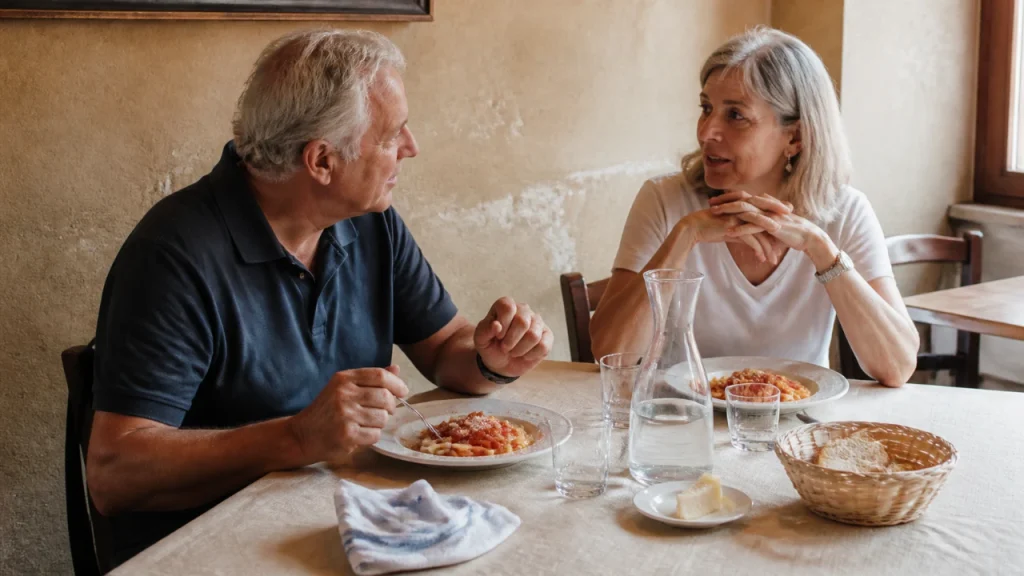
A long lunch and one thoughtfully chosen tasting can make a day feel full without adding another stop. Lunch can be a natural pause in the day, with time to enjoy a meal instead of squeezing it between appointments. A general food budget of €60-€100 per person per day can cover a mix of trattoria meals, café lunches, and some nicer dinners.
Let meals help shape the day rather than treating them as quick breaks. A relaxed lunch gives you time to sit, talk, and slow down before an afternoon outing. In the evening, choose a restaurant close enough that getting there does not become another project.
Four enjoyable food experiences can fit naturally into a trip:
- Set aside time for a long lunch at a trattoria.
- Stop at a café for coffee or a light bite.
- Try a local food such as pici or pecorino.
- Choose a seated winery tasting instead of a rushed visit.
Food costs depend on how often you choose casual meals and how many higher-end dinners you plan. A café lunch and a special dinner can fit into the same day, while several upscale meals will change the daily total. Check tasting details before you go, including how long the visit lasts and whether you need a reservation.
A winery tasting is more enjoyable when nobody is watching the clock or calculating a drive back. If you plan to taste wine, arrange transport that does not depend on the person drinking.
Which Sights Are Worth Prioritizing, and What Should You Book?
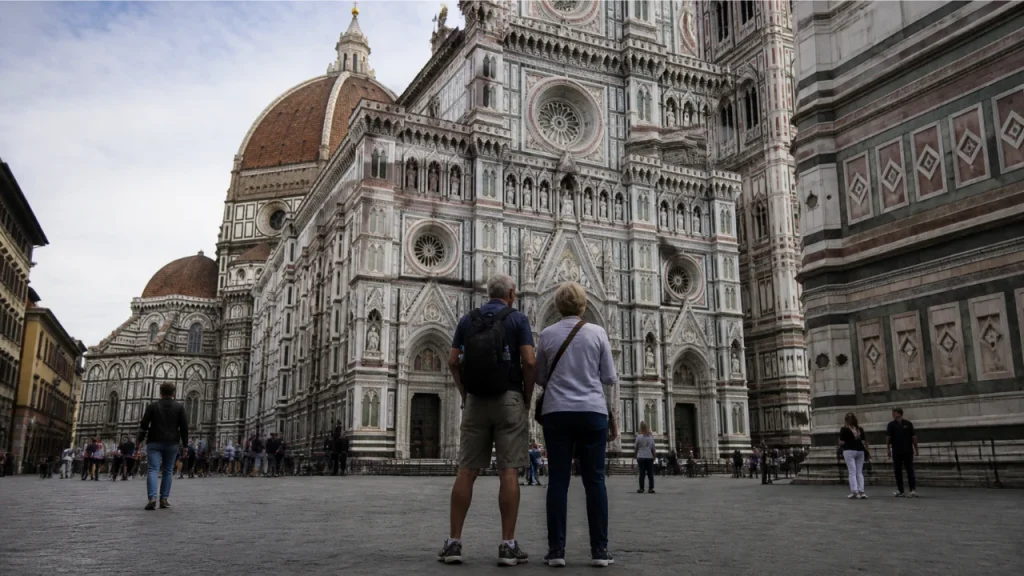
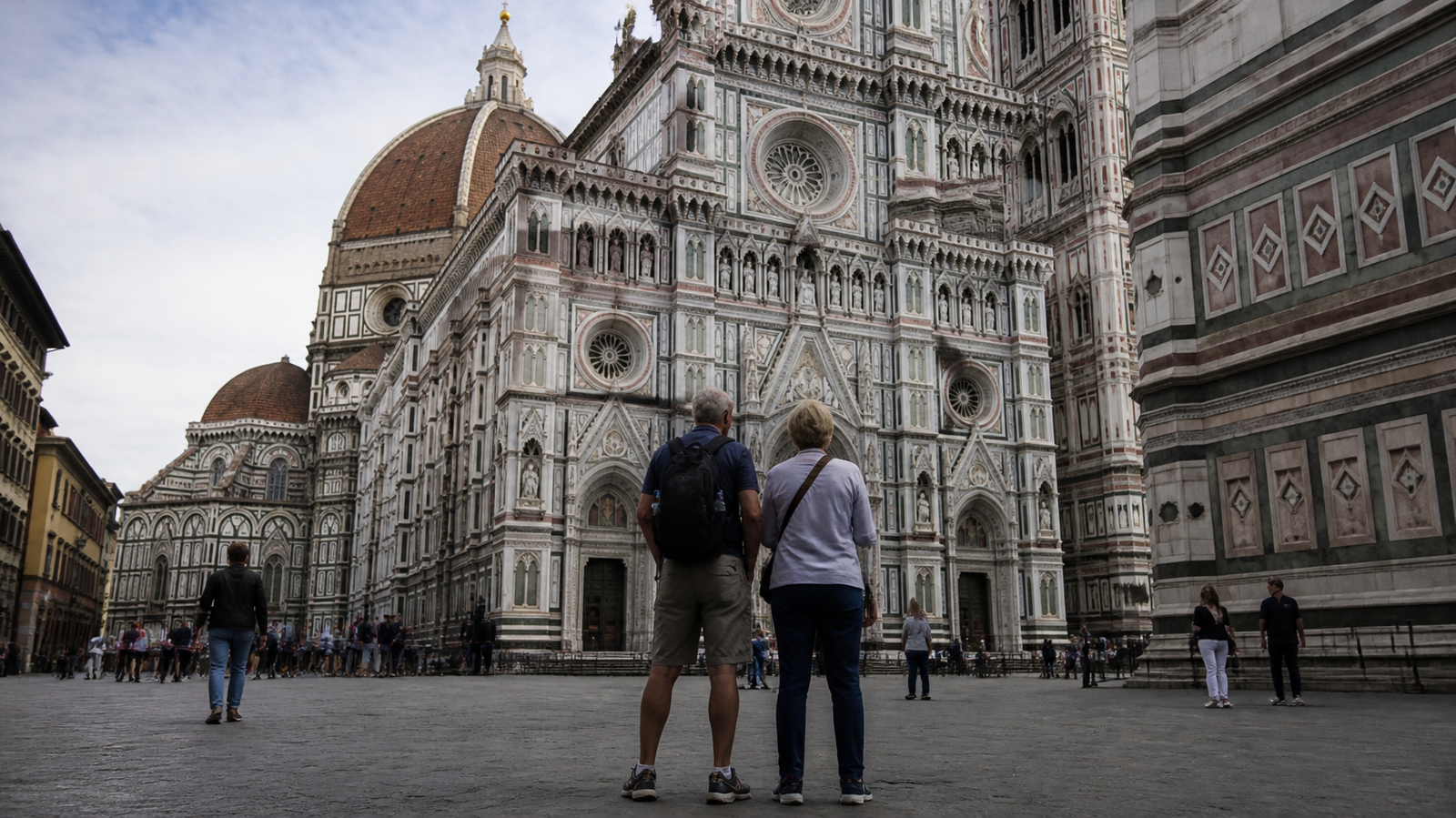
Prioritize one major cultural visit each day rather than trying to fit several long museum visits together. The Uffizi typically takes 3-4 hours, while a shorter church or piazza visit may fit around a slower afternoon. The Duomo dome climb is optional and involves 463 steps; you can see the cathedral at ground level without taking the climb.
Give major museums time and book popular visits
As of August 2026, Uffizi admission is €25 on the same day or €29 in advance. Accademia admission is €20 plus a €4 booking fee. These prices make a timed visit worth planning, especially if you want to avoid placing two lengthy museum visits on one day.

Edit
Full screen
Delete
Visitors taking time inside a major Florence art museum
State museums offer free admission to everyone on the first Sunday of each month from October through March. State museums also offer free admission to visitors under 18, and there is no general over-65 concession. A free day can draw larger crowds, so consider whether saving the admission cost suits your comfort and schedule.
Choose the art or architecture that matters most to you, then leave space to absorb it. A museum visit can mean hours on your feet, even when the galleries are close together. If a long indoor visit sounds tiring, pair a shorter church or piazza stop with a seated meal.
Choose hill-town visits to match your energy
Hill towns can reward a slower visit, but cobbles, steps, and climbs may make a full-day walking tour demanding. Pick one main place to see and leave time to sit or pause. You do not need to cover every lane to enjoy a town’s central square, view, or local café.
Before you set a timed reservation, check the museum’s current opening and access details. Opening hours and the route through a site can affect how much walking your visit involves. Keep a nearby place to rest in mind if you plan to stay longer than expected.
What Does a Comfortable Tuscany Trip Cost Per Day?
For a comfortable trip, plan on about €170-€250 per person per day, with lodging and transport doing much of the work in the final total. A comfortable hotel commonly costs €150-€300 per room per night, so sharing a room changes the per-person accommodation cost. The bands below are planning estimates, not set prices for every town or travel date.
Peak-season city stays can cost more than quieter dates, while countryside options vary by location, room type, and what is included. A rural property may change your transport costs if you need a driver or rental car. Compare the full daily pattern rather than choosing a room price in isolation.
| Travel style | Per-person daily planning band | Typical lodging approach | Likely transport approach |
| Frugal | €80-€120 | Simple guesthouse or shared room | Public transit and walking |
| Mid-range | €120-€190 | Comfortable hotel or guesthouse | Public transit with occasional taxi |
| Comfortable-plus | €170-€250 | Comfortable hotel, often €150-€300 per room nightly | Rental car, driver, or a mix |
Room sharing can lower the lodging amount assigned to each traveler, but the room price itself remains the same. Your total also changes with the number of paid outings, transport choices, and how often you choose a higher-end meal. Think in terms of the full trip, not only the daily room rate.
Peak-season city stays and countryside lodging can have very different costs, but a countryside room does not guarantee savings. A remote location might call for a car or paid transfers, while a central room can reduce the need for them. Compare the lodging and transport together before deciding where to stay.
Set the daily budget before booking a private driver or a series of premium hotel nights.
What Safety and Practical Rules Should You Know?
The most important driving rule is to keep rental cars out of restricted historic-center zones unless entry is authorized. A ZTL is a restricted-traffic zone where access is limited and commonly enforced by cameras. Unauthorized entry can trigger a camera-issued fine of €80-€335, with an additional fee possible from a rental-car company.
Historic centers often have restricted streets that are easy to enter by mistake when following navigation directions. Look for local signs and ask the rental company how to avoid restricted areas before driving into a town. A parking area outside the restricted zone may be a more straightforward place to leave the car.
Italy’s emergency number is 112 for emergency help, including for visitors. Save the number before travel so it is easy to find if you need urgent assistance. Use it for emergencies rather than routine questions about schedules, bookings, or directions.
Keep important travel details accessible on your phone, including your accommodation address and any transport arrangements. When driving, follow signs at the street rather than assuming a route suggested by a map allows access. A small pause to check the entrance can prevent an avoidable fine.
Save 112 in your phone before leaving home.
What Should You Pack for Tuscany in October and Shoulder Season?
Pack for a cool start, a milder afternoon, and the possibility of rain rather than relying on one outfit. Layers make it easier to adjust during a changing day, especially when you move between outdoor streets and indoor sights. October conditions can vary, so choose items that work together.
Dress for changing temperatures and rain
Bring clothes you can add or remove without carrying a bulky coat all day. A lightweight waterproof layer or compact umbrella can help if a shower interrupts a walk. Sun protection is still useful when the sky clears and you spend time outdoors.
- Light layers for cool mornings and milder afternoons.
- A lightweight waterproof jacket or umbrella.
- Comfortable walking shoes with grip.
- Sun protection for brighter parts of the day.
- A small day bag for water and personal essentials.
Protect your feet on uneven streets
Historic streets can include cobbles, slopes, and uneven paving, so choose shoes that feel secure underfoot. Break in a new pair before the trip rather than discovering a hot spot halfway through a town visit. A familiar shoe can matter more than packing an extra outfit.
A small day bag can hold water, sunscreen, and anything you need between stops. Keep the load light enough that carrying it does not become tiring. If rain starts, a compact umbrella can be easier to manage than a large bag of spare clothing.
Choose clothing and shoes for a changing day, not just the forecast at breakfast.
Wear your most comfortable shoes on the first full sightseeing day, not a new pair.
Conclusion
Tuscany is easier to enjoy when your plan leaves room for both a memorable outing and an unhurried afternoon. Fewer bases and genuine rest can make the days feel more comfortable without taking away the region’s character. Choose dates and one suitable base, then confirm access and transport before booking.
From there, build a trip around the places you most want to experience rather than the number of towns you can reach. A plan with breathing room gives you options when a walk takes longer or a meal becomes the best part of the day. Choose your first base, check its access and connections, and build the rest of the trip around it.
FAQ
How many days should I spend in Tuscany?
Seven to ten days is a useful range for a focused regional trip. That gives you room for a city stay and a countryside area without changing bases every night. If you have fewer days, choose one base and limit day trips rather than trying to cover the entire region. Longer stays can add depth without requiring a packed schedule.
Can I visit Tuscan hill towns without renting a car?
Yes, you can visit some towns without renting a car, but rural connections take planning. Trains work for certain city routes, while buses may reach selected smaller places. Winery visits and countryside stays can need a driver or car, especially when bus schedules do not match your plans. Check the return journey before setting out.
Is October a good month to visit Tuscany?
Yes, October can be a good month if you are comfortable with changeable weather. Typical temperatures range from 59-72°F, and Tuscany averages about nine rainy days that month. Those are averages, not a forecast for your dates. Keep outdoor plans flexible, with an indoor visit or a café stop available if rain arrives.
Can I get into a Tuscany state museum for free on the first Sunday in October?
Yes, state museums offer free admission to everyone on the first Sunday of each month from October through March. The free admission applies to state museums, not automatically to every museum in Tuscany. Popular sites can be busier on those Sundays, so consider whether a crowdier visit suits your pace before planning the day around it.
What should I check before booking a countryside hotel in Tuscany?
Check the room’s steps, paths, bathroom access, parking, and transfer arrangements against your needs. Ask about the exact route from a drop-off point to the room, including slopes or uneven ground. Also clarify how you will reach nearby towns and restaurants. A countryside location can be lovely, but daily transport matters as much as the room.
What happens if I drive into a ZTL in Italy?
Unauthorized entry into an Italian ZTL can trigger a camera-issued fine of €80-€335, with a possible additional rental-company fee. A ZTL restricts traffic in parts of many historic centers, and cameras commonly enforce access rules. Check signs as you approach and ask your rental company how to avoid restricted areas before driving into town.
Do regional train tickets in Italy need to be booked in advance?
No, regional train tickets do not need to be booked in advance, and reservations are not required. Regional fares are fixed, tickets have no assigned seats, and buying online costs the same as buying at the station. Buying early does not lower the fare. For a particular journey, check the timetable so you know which service fits your day.https://travelminx.com/