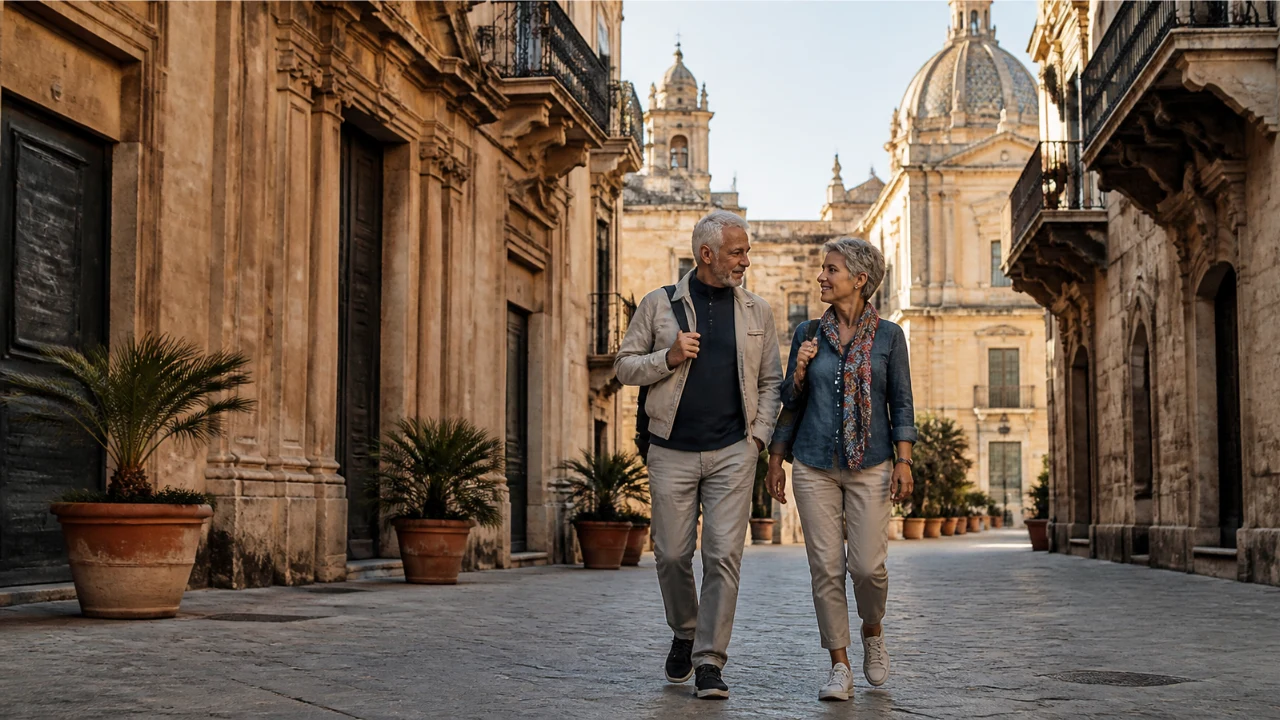
Palermo can feel overwhelming in the first ten minutes. Scooters squeeze through narrow lanes, market vendors shout over each other, and a Baroque church sits next to a crumbling palazzo. Then you step inside a chapel covered in gold mosaics, and the noise fades. The city rewards people who move slowly and look closely. A […]
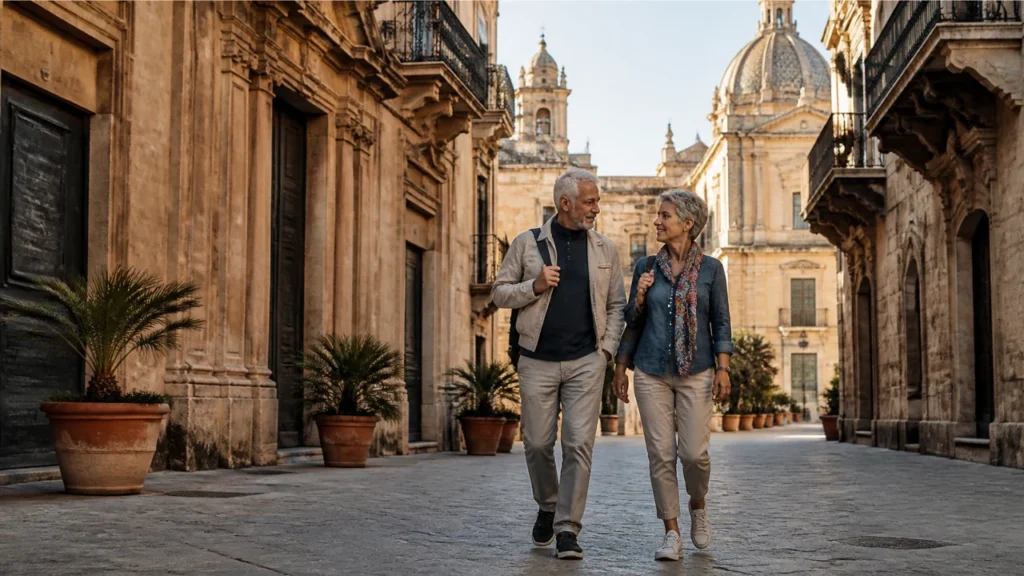
Palermo can feel overwhelming in the first ten minutes. Scooters squeeze through narrow lanes, market vendors shout over each other, and a Baroque church sits next to a crumbling palazzo. Then you step inside a chapel covered in gold mosaics, and the noise fades.
The city rewards people who move slowly and look closely. A good Palermo itinerary for travelers over 50 does not try to tick off everything. It groups sights by area, builds in long lunches and leaves energy for the evening. This three-day plan follows that idea.
Why Palermo Suits a Slower Pace
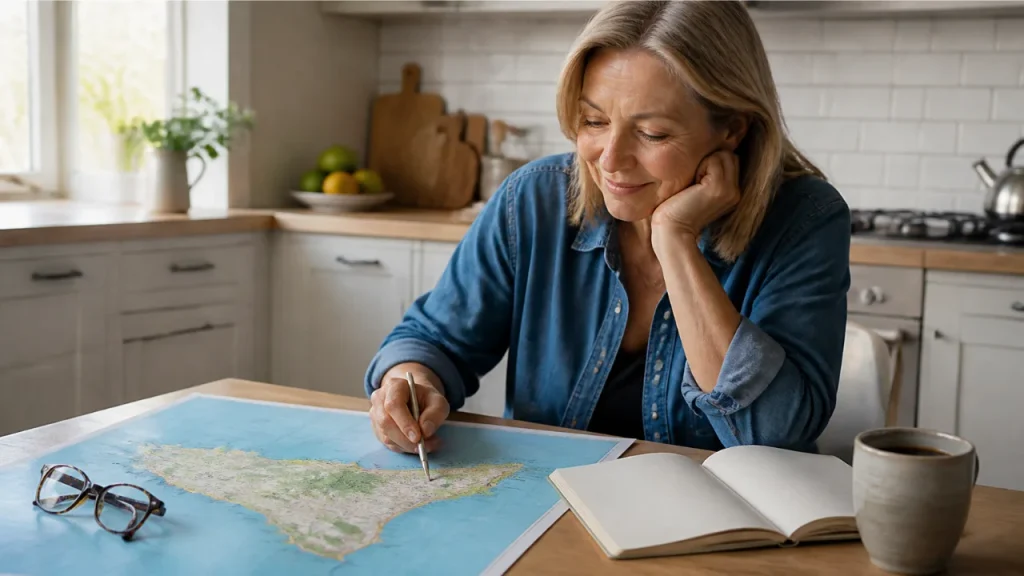
Palermo’s historic center is compact, so you can cover most major sights on foot without long transfers. The streets are lively but not hard to read once you know the two main axes and the crossroads where they meet.
The main challenge is comfort, not distance. Expect uneven paving, some steps and traffic that does not always yield. With sensible shoes, a rested morning start and a flexible plan, none of this is a problem.
Choose Your Season
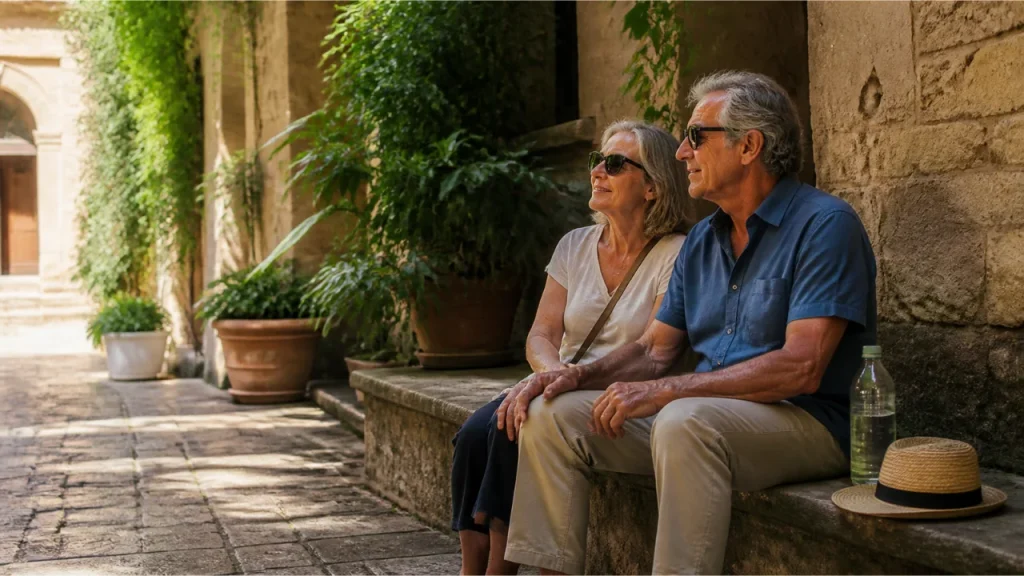
Mid-September to mid-October and early May to mid-July score well for general outdoor sightseeing, according to one climate-based analysis. Summer is hot, with average highs around 30°C (87°F) in the warmest months. If you visit in summer, schedule monuments early and rest in the afternoon.weatherspark+1
Day One: Arab-Norman Palermo
Start with the sights that made Palermo famous. In 2015, UNESCO listed “Arab-Norman Palermo and the Cathedral Churches of Cefalù and Monreale” as a World Heritage Site. The series includes nine structures from the Norman kingdom of Sicily, dating from 1130 to 1194. Within Palermo, these include the Royal Palace and Palatine Chapel, the cathedral and several churches.whc.unesco
This is the heart of things to do in Palermo, and it is best handled in the morning, when the light is soft and your energy is high.
Morning: Royal Palace and Palatine Chapel
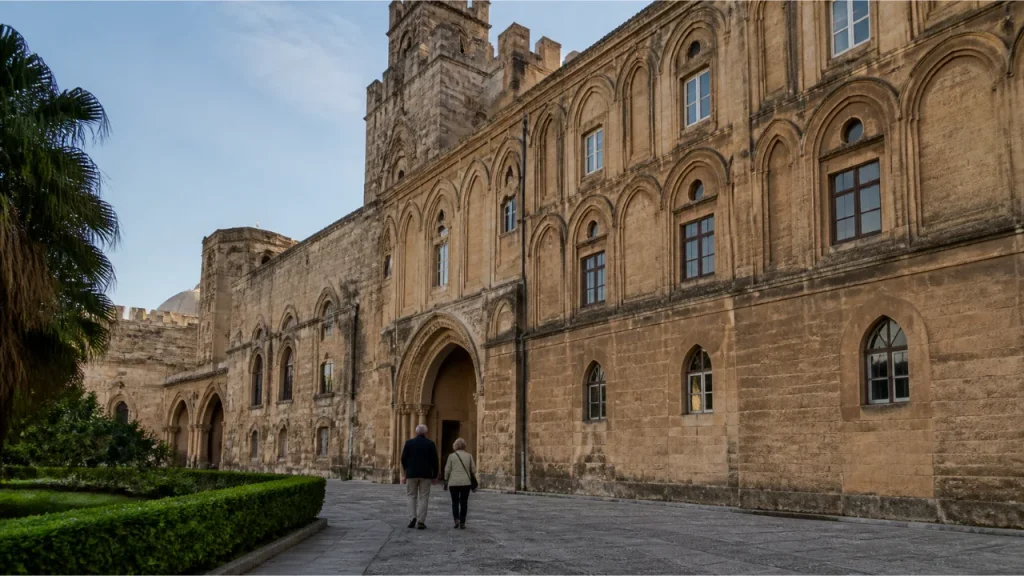
Begin at the Palazzo dei Normanni, where the visitor entrance is in Piazza Indipendenza. Its chapel is the main reason to go. The mosaics, painted ceiling details and marble work reward slow viewing.sicilia
Book ahead if possible, and check current opening hours and ticket rules on the official site. Sunday hours have been listed as shorter than weekdays. Ticket prices vary by seller and visitor category, so compare before paying.sicilia+1
Late Morning: San Giovanni degli Eremiti
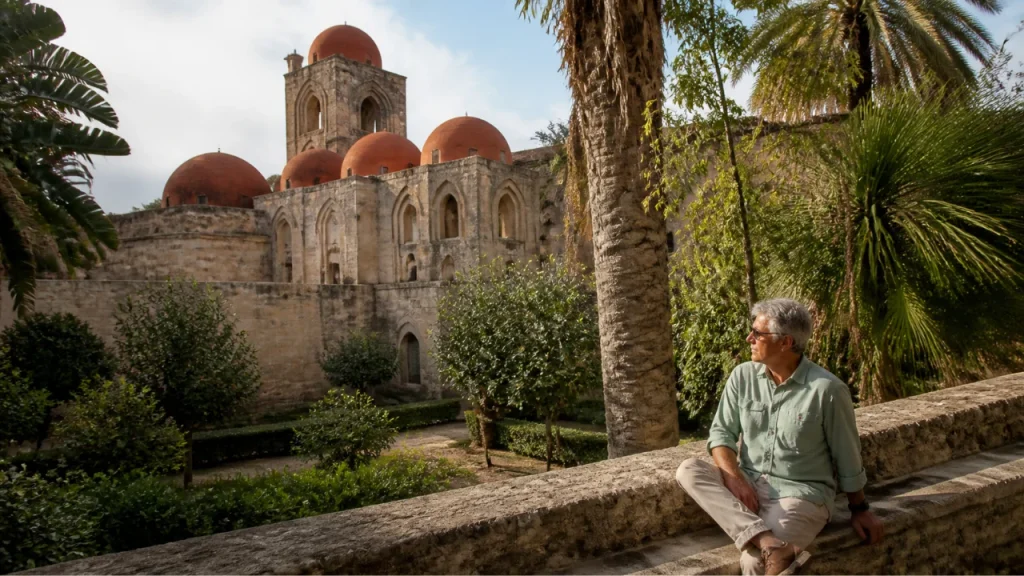
A short walk away, this church is known for its red domes and a quiet garden. It is a good place to sit down before lunch. Look at how the building mixes forms from different cultures, a theme you will notice across Arab-Norman Palermo.scent-of-sicily
Lunch and Rest
Eat a long lunch near the palace area, then return to your hotel if you feel tired. A siesta in the early afternoon is not wasted time in Sicily. It fits the local rhythm.
Late Afternoon: Piazza Bellini
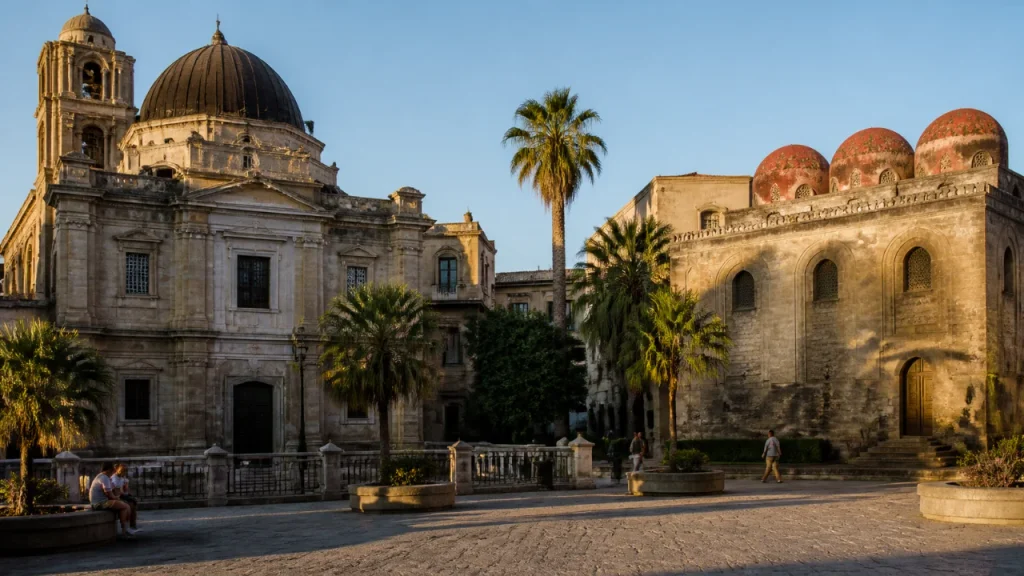
Spend the later part of the day around Piazza Bellini, where two UNESCO-listed churches, La Martorana and San Cataldo, face each other. Their interiors are different in feel, so see both if time allows.scent-of-sicily
End with a stroll to the Quattro Canti, the Baroque crossroads of the old city. Even a short visit helps you understand the layout.
Day Two: Markets, Street Food and Neighborhoods
Palermo is a food city, so give one day over to eating and wandering. This is also the best way to understand what to eat in Palermo without stuffing yourself at a single sitting.
What to Eat in Palermo
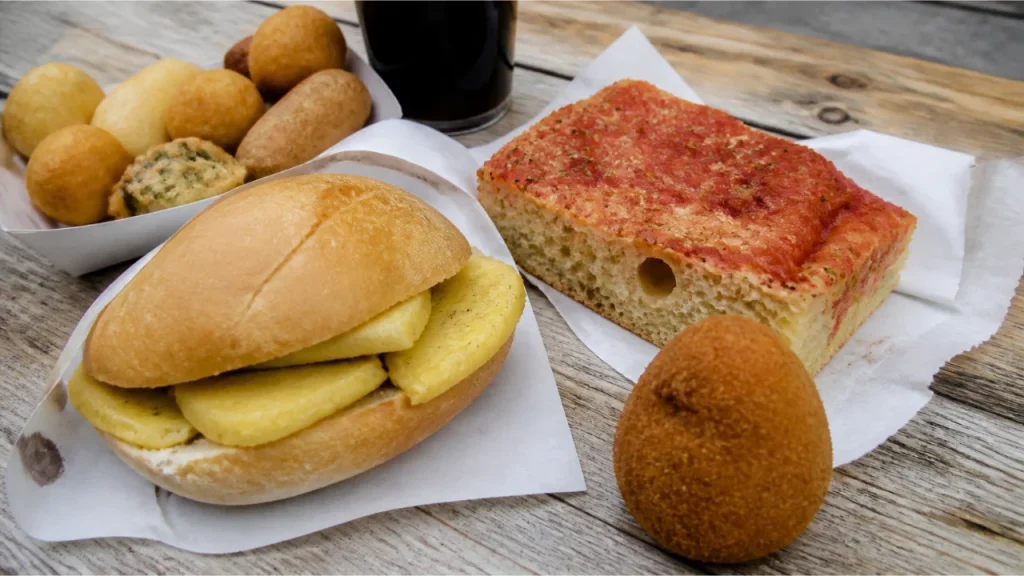
Try small portions of many things instead of one big meal. Good options include:
- Panelle, thin chickpea fritters, often served in a bread roll.
- Arancine, fried rice balls with fillings such as ragù or ham and cheese.
- Sfincione, a thick, soft Palermo-style pizza with tomato and onions.
- Pasta con le sarde, made with sardines, wild fennel and pine nuts.
- Cannoli filled to order, which keeps the shell crisp.
If you have dietary restrictions, ask each vendor about ingredients. Many street foods contain gluten, fish or dairy, and menus are not always translated.
Markets in the Morning
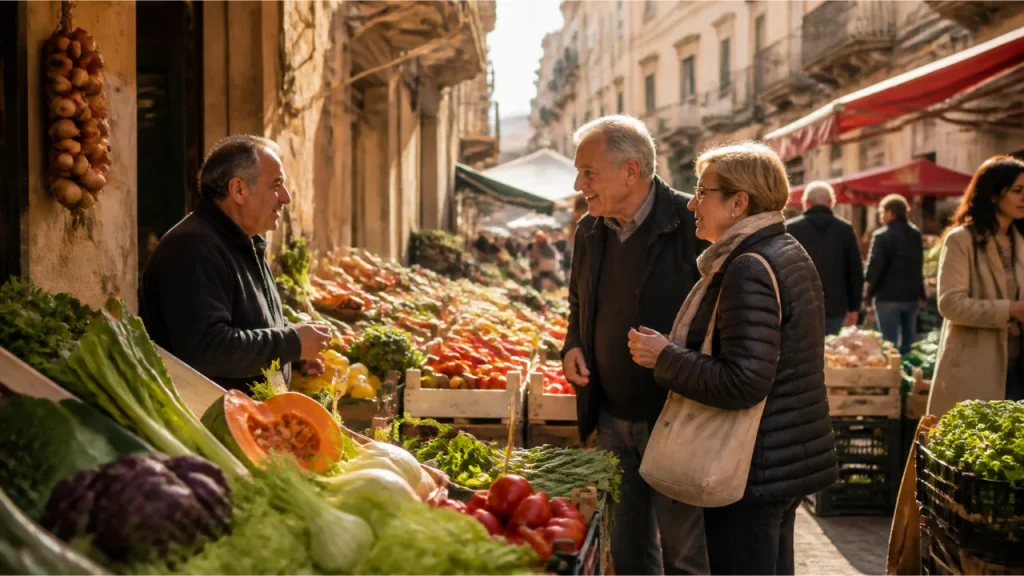
Visit a traditional market while it is busy but before the heat builds. Ballarò and Vucciria are two famous options. Hold your bag in front, carry small bills and avoid crowded stalls if you feel unsteady in tight spaces.
Treat the market as an experience, not a shopping task. Taste something, watch the vendors and leave when you have had enough.
Afternoon: The Kalsa Quarter
Kalsa is one of Palermo’s oldest neighborhoods, with restored palaces, galleries and quiet side streets. Wander without a fixed route. The point is to notice details: carved doorways, painted shutters and neighborhood cafés.
If you prefer a museum, choose one rather than three. Palazzo Abatellis is a good option for medieval and Renaissance art lovers.
Evening: Opera or a Quiet Dinner
If your schedule allows, check the program at Teatro Massimo. Otherwise, choose a restaurant that serves local dishes and make a reservation. Dining late is normal in Sicily, so adjust your hunger accordingly with an afternoon snack.
Day Three: Monreale or a Gentler Option
You can use the final day for a trip beyond the center. Monreale is part of the same UNESCO series as the Palermo monuments.whc.unesco+1
Visiting Monreale
Monreale Cathedral is known for its mosaics and Norman architecture. Check the best way to travel there, whether by taxi, local bus or a guided tour. Compare cost and effort. A private transfer may be worth the money if you want less walking and waiting.
If You Want an Easy Day
Instead of leaving town, visit the botanical garden, revisit a favorite church or spend the day at a café with a book. A relaxed final day makes the trip feel less like a checklist.
Optional Extra: Cefalù
Cefalù is the third location in the UNESCO series. It makes a better overnight add-on than a rushed day trip, especially if you want to see the cathedral without feeling pressed for time.whc.unesco
Where to Stay in Palermo
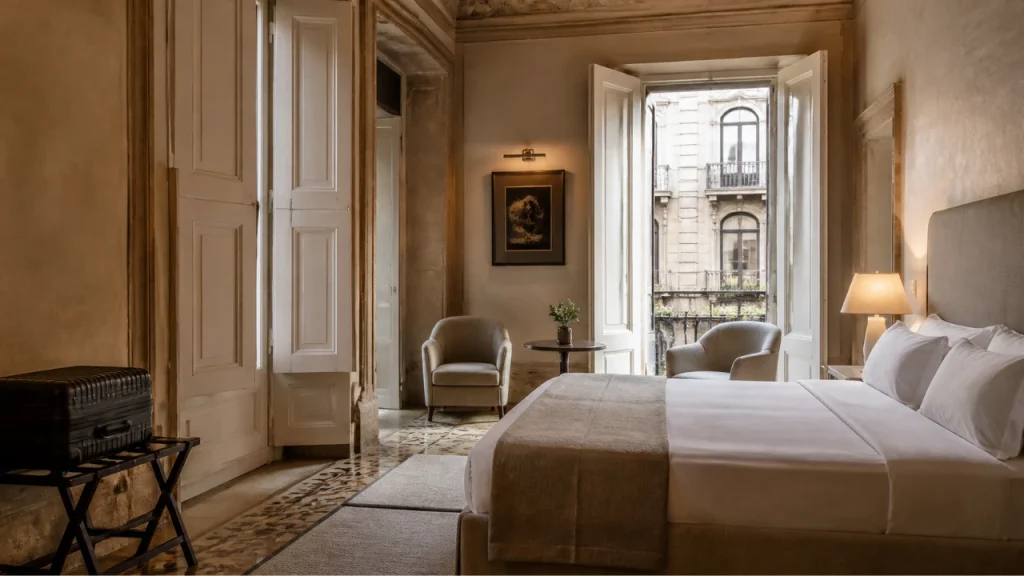
Where to stay in Palermo depends on your priorities. Staying in or near the historic center puts the main sights within walking distance. A calmer neighborhood may suit travelers who prioritize quiet over atmosphere.
What to Check Before Booking
Ask these questions before you reserve a room:
- Is there a lift, and does it reach all floors?
- How noisy is the street at night?
- How far is the hotel from the places you want to visit?
- Is air-conditioning included, and does it work well?
- Can staff arrange taxis or airport transfers?
Photos of a hotel lobby tell you little about daily comfort. Reviews that mention noise, stairs and cleanliness are often more useful than general star ratings.
Staying in the Old Center
Old-center hotels place you near churches, markets and restaurants. You can return for a rest in the middle of the day, which makes a big difference for energy. The tradeoff is more noise and more crowdshttps://travelminx.com/st-augustine-for-travelers-over-50-comfortable-stays/.
Choosing a Quieter Area
A quieter district may offer wider sidewalks and less nightlife. You may need short taxi rides or longer walks to major sights. Compare the total effort, not just the nightly rate.
Practical Tips for a Smoother Trip
Small habits matter more than elaborate planning. These rules keep a Palermo itinerary for travelers over 50 comfortable.
Pace Yourself
Plan one major sight in the morning and one lighter activity in the afternoon. Leave the evening open. If a day goes well, you can add something. If you are tired, you lose nothing.
Dress for the Streets
Wear shoes with grip and cushioning because the pavement can be uneven. Carry a hat, water and sun protection in warmer months. Dress modestly for churches, with shoulders and knees covered.
Watch Your Belongings
Busy markets and crowded streets call for normal city caution. Keep your phone and wallet in secure pockets and avoid leaving bags hanging on chairs. Copies of your passport and insurance details are useful in case something goes missing.
Learn a Few Italian Phrases
You do not need fluent Italian, but a few polite phrases help. “Buongiorno,” “per favore,” “grazie” and “il conto, per favore” go a long way. Many people in tourism speak English, but smaller businesses may not.
Conclusion
Palermo is not a city to rush. A Palermo itinerary for travelers over 50 works best when it focuses on a few strong experiences: the Arab-Norman monuments, a good market meal, an unhurried walk through old neighborhoods and a day trip only if you feel like it.
Choose your accommodation carefully, protect your energy during the middle of the day, and leave gaps in the schedule. That approach gives you the sights, the flavors and the atmosphere that make Palermo special.
FAQ
1. How many days do I need in Palermo?
Three days is enough to see the main historic sights and enjoy meals without hurrying. Add a fourth day if you want to visit Monreale or take a slower pace.
2. What is Arab-Norman Palermo?
It is a group of civil and religious buildings from the Norman kingdom of Sicily, combined with the cathedrals of Cefalù and Monreale as a UNESCO World Heritage Site. They show Western, Islamic and Byzantine influences together.whc.unesco
3. What should I eat in Palermo?
Start with panelle, arancine, sfincione, pasta con le sarde and fresh cannoli. Try small portions so you can taste more dishes and stay comfortable.
4. When is the best time to visit Palermo?
Late spring and early autumn are good choices because temperatures are milder than in midsummer. Summer can be hot, so plan sightseeing for early morning or late afternoon.weatherspark+1
5. Is Palermo walkable for older travelers?
Yes, much of the historic center is walkable, but expect uneven pavement and some steps. Wear supportive shoes, take breaks and use taxis when a distance feels too long.