Author: naoufel naoufel

  • A Svalbard Polar Bear Cruise Is Not a Safari, and That Is the Point

    A white shape on sea ice can stop an expedition ship cold. Binoculars come up; the bridge adjusts course; the passengers who have spent days scanning glacier faces and distant shorelines fall silent. Then, often, the shape resolves into a lump of snow, a pale rock, or a bearded seal. That anticlimax is part of…

  • Horseback Riding in Jackson Hole: Scenic Trail Rides and Tours

    A horse walking quietly through a sagebrush meadow, with the Tetons filling the western horizon, is one of Jackson Hole’s more convincing arguments for slowing down. The area has plenty of adrenaline activities, but a guided trail ride offers something different: a close-to-the-ground view of the landscape, paced by the horse rather than the itinerary….

  • Horseback Riding in Sedona: Scenic Tours and Trail Rides

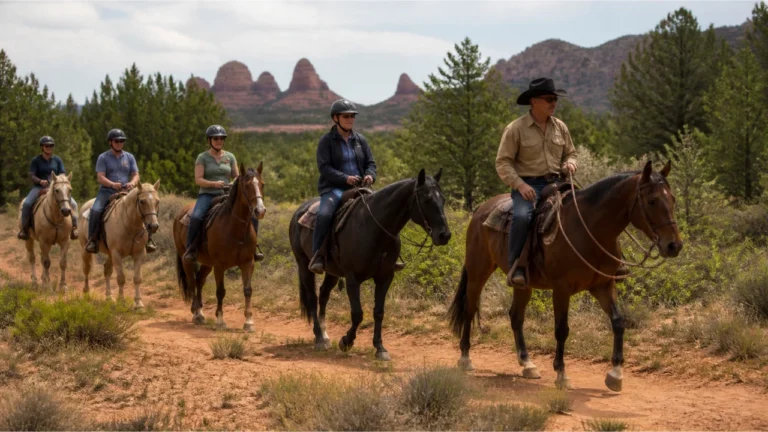
    Horseback riding in Sedona offers a way to explore the area’s canyons, rivers, and wine country from the trail. A wrangler is the guide who manages the horses and leads the trail ride. Around Sedona, you can find outings with mountain views, riverside stretches, and vineyard scenery. The right choice depends on where the ride starts, who is coming, and how much time your plans allow. A family may need to check age limits, while a newer rider may want a guided group outing. A private ride can offer a different format for riders with specific needs. The practical details matter as much as the view: consider travel time, departure hours, arrival rules, and the terms for changing a reservation. This page helps you compare those choices and plan a ride that fits your group. Choosing a ride starts with matching the route and practical requirements to everyone in your group. Edit Full screen View original Delete horseback riding in Sedona Key Takeaways Where Can You Go Horseback Riding in Sedona? Three distinct starting points give visitors a choice between Verde Valley wine country, Dead Horse Ranch, and Alcantara Vineyard. Each setting offers a different trail experience, from vineyard terrain to a river crossing. The Sedona Chamber of Commerce lists Horsin’ Around Adventures in Cornville and Trail Horse Adventure at Dead Horse Ranch in Cottonwood as local riding providers in 2026. Horsin’ Around Adventures describes its Sedona ranch terrain as canyon and vineyard, at an elevation of 4,350 feet in 2026. Trail Horse Adventure rides at Dead Horse Ranch State Park include a river crossing and views of Tuzigoot ruins. The park is in Cottonwood, about 20 minutes from Sedona. Provider Location Setting or feature Approximate drive from Sedona Horsin’ Around Adventures Cornville Canyon and vineyard, 4,350 feet elevation About 20 minutes Trail Horse Adventure Dead Horse Ranch State Park, Cottonwood River crossing and Tuzigoot ruins views About 20 minutes Alcantara Vineyard ride Alcantara Vineyard Vineyard and natural canyon About 30 minutes The vineyard options and the river route offer distinct terrain, not interchangeable versions of the same ride. Choose vineyard scenery if you want the Verde Valley’s wine-country landscape. A route with a river crossing or canyon views may suit you better if that scenery is the main draw. Pick the setting for the ride itself, then plan the rest of your day around its starting point. Alcantara Vineyard is about 30 minutes from Sedona, making it the longest of these listed drives. The other two starting points are about 20 minutes away. Drive times are approximate, so allow room for the trip and the operator’s arrival instructions. Check the route’s starting point against your day’s other plans, since the rides are outside central Sedona. Which Sedona Ride Suits Your Group? A guided group ride is a practical fit for many first-timers, while a private ride can suit riders who need a more tailored outing. The right format depends on each person’s age, comfort, and ability to manage a horse. Providers set their own requirements, so one tour’s rules do not automatically apply to another. Check the minimum age and physical requirements for the exact ride you plan to book. Some tours welcome people with no riding experience, but that does not mean every ride accepts every rider. Ask about the planned outing and the group’s needs before reserving. Edit Delete Guided group rides for a first outing Trail Horse Adventure offers guided tours lasting one hour or 1.5 hours for riders ages 6 and up in 2026. The Alcantara Vineyard ride is for ages 10 and up and does not require riding experience. These details can help you narrow down a family outing, but each age limit belongs to that specific experience. A guided ride can give newcomers a structured way to spend time on horseback. The wrangler leads the ride, and the group follows the tour’s pace and instructions. If riders have different comfort levels, ask whether the selected tour format can accommodate the whole party. Do not assume that a child’s age or an adult’s past experience settles eligibility. A provider may have other requirements for the particular ride. Confirm them before making plans around one tour. Private rides for specific rider needs Cobalt Escapes offers private rides from September through June in 2026. It has no height or weight limitations, but riders must be able to mount and dismount with limited assistance. They must also balance while riding and control their horse. Those ability requirements matter even when a private ride gives your party a more tailored outing. Explain any support needs to the operator before booking. Limited help with mounting does not remove the need to balance and control the horse during the ride. Before you reserve, ask these three questions: Confirm the youngest rider’s eligibility and each rider’s mounting ability before paying for a reservation. What Do Sedona Horseback Rides Cost? The listed examples range from $125 for a 1-hour vineyard-and-canyon ride to $249 per person for a private 1.5-hour trail ride, before applicable extras. Those fares cover different experiences, so compare duration, format, and what each quoted amount includes. The listed Alcantara Vineyard ride starts at $125 in 2026. The private ride costs $249 per person, with sales tax and wrangler gratuity charged in addition. That is a per-person fare, not a total for a party. Confirm whether a quote applies to each rider and which charges sit outside the listed price. Edit…

  • Tuscany for Travelers Over 50: What to Expect

    Tuscany can be a comfortable trip after 50 when you choose fewer stops and leave room to rest. You can spend more time in each place, enjoy the region at a manageable pace, and still see art, architecture, and countryside. A rewarding visit does not require racing between every famous town. This practical guide helps you choose a base, plan days, get around, and make room for good food and memorable sights. It also covers mobility needs, lodging access, and simple ways to keep travel flexible. The aim is depth, not checking off every town on a map. Edit Full screen View original Delete Tuscany for travelers over 50 You can shape the trip around what feels comfortable, whether that means a city stay, a countryside retreat, or a mix. Leave space between outings for a coffee, a rest, or a change of plans. A good plan leaves enough time to enjoy an unhurried meal without watching the clock. Key Takeaways How to Plan Tuscany for Travelers Over 50 at a Comfortable Pace Slow travel means choosing fewer bases and giving each one enough time to feel familiar. Four nights per base is a useful planning rule of thumb, not a requirement, and it gives you time to settle in. A shorter trip can work well from one base rather than forcing several stops into a few days. Give each base enough time Changing hotels can take more time than the drive or train ride suggests. You still need to pack, check out, reach the next town, and get settled before going out again. On a week-long trip, one or two bases can leave more usable hours than a string of overnight stays. Think about the time you want for familiar routines, too. Staying put lets you learn the nearest café, find a comfortable route, and return to your room between outings. That can make a full week feel less like a series of transfers and more like a stay. Build a lighter day around one main experience Choose one major experience for each day, such as a museum, a guided walk, or a countryside tasting. A second stop can be a bonus, not a commitment. The amount of walking, the heat, and how long you enjoy lunch can all change the shape of a day. Use four decisions to give the trip a steady rhythm: Keep the day’s plan light enough that an enjoyable meal or a needed rest does not feel like a delay. A short trip may be easier with one base and a single day trip than with several overnight stops. You can still make a day feel special with a planned visit, followed by time to sit and enjoy where you are. If moving hotels would consume the morning, give that night to the base you already have. When Is the Best Time to Visit Tuscany? Spring and fall are strong choices if you want comfortable sightseeing without the peak of summer heat. October typically brings daytime temperatures of 59-72°F, though the weather can shift during the day. Your best time also depends on how you handle heat and whether you prefer lively streets or quieter visits. Spring brings mild days, fresh green landscapes, and a gradual rise in visitor numbers as the season advances. Temperatures can change between morning and afternoon, so a pleasant forecast is not a promise of steady weather. Early summer often offers long days, but the heat builds and popular places grow busier. Summer brings the strongest heat and busiest conditions, especially around major cities and popular destinations. Plan outdoor walks early or later in the day if high temperatures wear you down. Winter is cooler and quieter, with shorter days; some countryside businesses and seasonal services may operate less often. October is a practical example of fall’s mixed conditions. Tuscany averages about nine rainy days and 3-4 inches of rainfall that month, but those averages do not predict the weather for your dates. You may have bright afternoons, showers, or both during the same visit. Shoulder-season days can feel different from one hour to the next. A sunny morning may turn cloudy, while a cool start can give way to a mild afternoon. Keep sightseeing plans flexible enough to switch an outdoor outing and an indoor visit when conditions change. Visitor levels also vary by place and date. Florence’s main sights can stay busy outside summer, while smaller towns may feel quieter on weekdays. If you want a slower visit, choose dates that suit your comfort first, then allow extra time at the busiest sights. Keep one flexible indoor option in mind for a rainy day, especially on an October trip. Which Tuscan Towns Make the Easiest Bases? The easiest base depends on whether you value city services, flatter walks, or countryside access most. Florence and Lucca offer city amenities and rail connections, while Siena, Pienza, and a countryside agriturismo suit different hill-town and vineyard plans. Historic centers can include slopes, steps, and uneven paving, so compare routes rather than judging by a town’s size. City bases for trains and everyday needs Florence is a practical city base if you want major museums, restaurants, and rail access in one place. Its central streets can be busy, and your daily walking distance depends on where you stay. Lucca is smaller, with services inside its Renaissance walls and a 2.6-mile circuit around them. Edit Delete The wall circuit in Lucca offers a flatter outing than many hill-town routes, though it does not make every street easy to navigate. Pienza’s compact historic center can be explored in about 2-3 hours, but its setting still includes slopes and uneven surfaces. Siena has services and attractions, with a historic center that rises from its station. Countryside bases for villages and vineyards A countryside agriturismo is a farm stay that offers lodging in the countryside. It can make a good home for vineyard visits and rural scenery, but outings may depend on a car, driver, or planned bus connections. A Val d’Orcia town can put you near Pienza and other scenic places, while daily errands may be less convenient than in a city. Compare the trade-offs before choosing a base: Base Best fit Practical trade-off Florence Museums, restaurants, rail access Busy streets and longer walks between sights Lucca City services and a wall circuit Some routes still include uneven paving Val d’Orcia town Hill towns and countryside scenery Rural outings may need a car or driver…

  • Ultimate Guide to San Diego for Travelers Over 50: Plan

    San Diego’s mix of waterfront, historic neighborhoods and outdoor attractions makes it possible to shape a trip around your own pace. Travelers over 50 bring different interests, energy levels and mobility needs, so thoughtful trip planning can make a multiday visit easier. A reduced fare is a discounted MTS fare for riders who meet the eligibility requirements. Accessible travel can include shorter outings, rest breaks and time to enjoy a favorite view. San Diego County’s population of adults age 60 and older is projected to exceed 824,000 by 2029, a population measure, not a count of visitors or an indicator of accessibility. Choose a few priorities for each day rather than trying to see the whole city at once.https://travelminx.com/sedona-for-travelers-over-50/ Edit Full screen View original Delete San Diego for travelers over 50 Key Takeaways How to Plan San Diego for Travelers Over 50 Three full days are enough for a first visit built around the park, the coast and the bay. A measured pace lets you enjoy a morning at a museum, linger over lunch or pause for views without turning every stop into a race. Three days can cover Balboa Park and downtown, La Jolla, and Coronado by ferry. Spring and fall usually bring a comfortable balance for sightseeing, while summer is the busiest season. Edit Delete A three-day first visit Keep each day focused on one part of the city. The USS Midway Museum pairs well with downtown, while La Jolla and Coronado each make a distinct coastal outing. Give the day one main anchor, such as a museum visit or ferry ride, and let nearby stops stay optional. For a city trip, this sequence keeps travel between major areas manageable. A morning museum visit can leave time for a relaxed meal later, rather than stacking several indoor stops together. Making room for a fourth day A fourth day can become a beach morning or a day trip, instead of another packed itinerary. Spring runs March through May, and fall runs September through November; both are recommended visiting periods. Summer, from June through August, is the busiest season. Winter brings gray whale season from December through March, though sightings are never guaranteed. Leave one open block in the itinerary so a slow meal or a longer stop does not throw off the day. How Can You Make Airport and Transit Days Easier? Request airport wheelchair assistance from your airline before travel, because TSA screening support is arranged separately. At San Diego International Airport (SAN), separate requests cover airline wheelchair help, TSA Cares support and SAN Assist services. Contact the airline for wheelchair assistance, and contact TSA Cares at least 72 hours before flying if you need screening help. SAN Assist travel guides require a request at least three business days ahead. Edit Full screen View original Delete Traveler arranging airport and transit support before a San Diego trip Arrange airport assistance before flying The airline arranges wheelchair assistance at SAN. TSA Cares helps with security screening and coordination, but does not replace the airline’s request. SAN Assist travel guides offer day-of-travel guidance daily from 6:00 a.m. to 10:00 p.m. SAN Assist familiarization tours need a request two to three weeks ahead. They run Monday through Friday during business hours, subject to availability. Keep these three requests distinct: Choose MTS fares for your riding pattern Adults age 65 and older qualify for MTS reduced fares and passes. You need accepted identification when applying and when riding. A regional reduced-fare 1-Day Pass costs $3.50 at the standard price or $7 at the premium price. The regional reduced-fare Month Pass costs $28 at the standard price or $42 at the premium price, and lasts one calendar month. A one-way PRONTO fare includes unlimited transfers for two hours. A cash one-way fare covers one ride on one bus route or Trolley line, with no transfers. Consider how many days you will use MTS and whether you expect to transfer. Carry the accepted identification you used to qualify for a reduced fare whenever you ride. What Should You Know About Balboa Park Parking and Access?…

  • Sedona for Travelers Over 50: A Relaxed Travel Guide

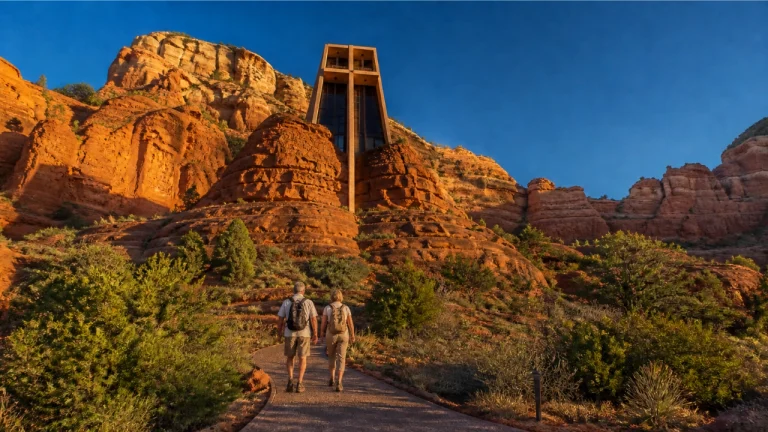
    Sedona can be a rewarding trip for travelers over 50 even when long hikes are not part of the plan. You might enjoy a roadside view, a slow lunch, or a short walk, while someone else in your group prefers a longer outing. Different comfort levels can fit the same visit when activities stay flexible. A vortex is a place that some visitors associate with spiritual energy, a belief that is personal rather than a scientific designation. Scenic stops and optional activities give you plenty of ways to experience the area without treating each day like a challenge. A little planning can help you make room for both memorable views and quiet moments, whatever your interests or energy. Edit Full screen View original Delete Sedona for travelers over 50 Key Takeaways A well-paced visit does not depend on seeing every landmark. Pick a pace that leaves room for rests and unplanned time. What Is the Best Time to Visit Sedona for Travelers Over 50? For mild daytime exploring, October’s listed 77°F high and 48°F low make layers a sensible choice. Spring and fall suit many visitors who want comfortable time outdoors, while winter temperatures average around 60°F. Choose a season for comfort, then shape outings around the amount of walking and rest you prefer. Sedona welcomes about 3 million people each year, so popular areas can feel busy. Spring-break crowds fall mostly in March and affect parking and trails. Reaching popular trailheads by 7 a.m. can help you avoid some of that pressure, though an early start may not suit every group. For a popular trailhead during spring break, aim to arrive by 7 a.m. if an early start works for you. Choose a season for comfort, not just scenery October’s wide temperature range means a cool morning can turn into a warm afternoon. Bring layers that are easy to remove, especially if your day includes both a scenic drive and time outside. Winter can still offer pleasant daytime exploring, but check the day’s conditions before choosing an outing. Spring and fall are practical choices when you want a mix of town visits and outdoor stops. Your preferred season may also depend on whether you enjoy a brisk morning or would rather take a slower start. Either way, one main outing is often easier to enjoy than a packed schedule. Plan around crowds and sunset Traffic builds around popular places when many visitors arrive at similar times. On a day when you want to sleep in, choose a town visit or another flexible activity rather than rushing to a trailhead. That gives you more freedom to stop for lunch or rest when you need it. The Sedona Airport Scenic Overlook recommends arriving 1 hour before published sunset to avoid traffic. That timing gives you a better chance to reach the overlook before the last-minute rush. If sunset is the goal at the airport overlook, arrive an hour before the published time rather than joining the last-minute traffic. Where Should You Stay, and Do You Need a Car? A car gives you the greatest control over stop length and location, while local rides work best when their operating days match your plans. Choose your base around the places you most want to visit and the kind of day you prefer. A car makes it easier to adjust your schedule on the spot. Sedona Shuttle and Sedona Connect can suit you when their schedules and service areas fit your plans. The Shuttle’s trailhead routes operate Thursday through Sunday year-round without reservations. During spring break and some holidays, the Shuttle runs daily. A car offers the most control over the day Driving gives you the flexibility to linger at a viewpoint, stop for a meal, or return to your lodging when you feel ready. That control can be useful when your group has different interests or energy levels. It also makes a less structured day easier to arrange. Public transportation is a practical option when your plans stay close to the routes and service areas. Trailhead service is not a promise of transport to every attraction, so do not assume a shuttle will reach every stop on your list. Check the destination before making it the center of your day. Match public transportation to its schedule Sedona Connect is an on-demand ride service that runs Thursday through Sunday, from 6:30 a.m. to 8:30 p.m. Its hours can cover many daytime outings, but you will need a different plan outside that window. Match the day’s activities to the times the service runs. Service Operating days Hours or seasonal schedule Reservation requirement Sedona Shuttle trailhead routes Thursday through Sunday year-round Year-round service No reservations required Sedona Shuttle during spring break or some holidays Daily during spring break and some holidays Daily during spring break and some holidays No reservations required Sedona Connect Thursday through Sunday 6:30 a.m. to 8:30 p.m. On-demand service For a lodging base, weigh what you want nearby against how much you plan to drive. A convenient location can make a midday break simpler, while a car gives you more choice about where to spend the afternoon. Check each day’s service area and hours before building an outing around a ride. Edit Delete Which Sedona Views Are Worth the Short Walk? Some of Sedona’s best-known red-rock views appear close to roads and established stopping points. Bell Rock, Cathedral Rock, Courthouse Vista, and the Chapel of the Holy Cross are recognizable scenic stops. A brief visit can be enough to take in the setting, even if you do not want a longer walk. Sedona’s red rock formations took about 350 million years to form. Their scale and color make a short stop feel worthwhile, but each location has a different approach. Do not assume every viewpoint has level ground or a barrier-free route….

  • Beginner’s Guide to Charleston for Travelers Over 50

    A first visit can pair a little history with good food and plenty of time to pause in Charleston. The Lowcountry is South Carolina’s coastal region, known for its marshes, waterways, and distinct food and cultural traditions. For older travelers, the city offers room to shape a trip around personal interests, whether that means historic streets, a harbor view, or a quiet meal.https://travelminx.com/savannah-for-travelers-over-50/ Edit Full screen View original Delete Charleston for travelers over 50 You can balance historic sights with unhurried meals and waterfront time, then adjust the activity mix as you go. Practical planning helps you spend less energy on logistics and more on the parts of the trip you enjoy. Key Takeaways Start by choosing the experiences that matter most to you, then leave room for an unscheduled hour. How to Plan Charleston for Travelers Over 50 For a first visit, allow three to four days if you want the historic district, harbor, and an outing beyond downtown without packing every hour. That gives your trip a useful shape, with time to explore the city and still enjoy an unrushed meal or rest. Edit Delete A central home base can cut backtracking and make it easier to return for a break. Use landmarks such as Rainbow Row, the Battery, and King Street to orient yourself. They are distinct downtown places, not one continuous attraction, so plan how you’ll move between them. A central home base can cut backtracking and make it easier to return for a break. Choose a manageable home base For many travelers, staying near the historic district makes it simpler to reach restaurants and sights on foot. A hotel farther out may suit you better if it offers the setting or amenities you value. Compare the location with the places you expect to visit, rather than choosing by room rate alone. Think about the time each day will take, including meals and travel between activities. If a neighborhood or property feels right but sits away from your main plans, build in a ride instead of squeezing more stops into the schedule. Set a comfortable daily pace Choose one main activity for each day, then leave space for a long lunch, a pause indoors, or a slow wander. The best time for a demanding outing depends on your energy and the weather, so keep the schedule flexible instead of treating every hour as booked. A simple outline might give one day to the historic district, another to harbor time, and a third to a garden outing. A fourth day can hold a favorite repeat visit or an easy departure. Keep one open block in the schedule so a good meal or a slow wander does not feel like a delay. Which Charleston Tours Suit a First Visit? A walking tour is a good first choice if you want a guide to connect historic streets with the stories behind them. A focused walk can explain how a building, street, or harbor shaped the city, while leaving room for questions and a small group’s discussion. Edit Full screen View original Delete A walking tour historic streets route through Charleston Look for a walking tour historic enough to discuss colonial power, enslavement, and African American heritage, not just architecture. Charleston’s history includes the labor of enslaved people and the enduring contributions of Black communities. A thoughtful guide can place those stories alongside the city’s familiar landmarks. Walk for history and architecture The Old Walled City Piracy & Colonial History Walk lasts two hours. It has a 4.7 rating from 711 reviews and lists a starting price of $31 per person. The Old Walled City walk offers free cancellation, and its booking page says to check the cutoff, usually 24 hours before the tour. A walking tour works best when the route and pace match your interests and comfort. Check the meeting point before you book, since getting there can add time to your outing. A tour that focuses on architecture may differ from one that gives more attention to social history. Choose water or a focused history program For a different perspective, compare a harbor experience with a program centered on a particular place or history. A dinner cruise gives you time on the water and a meal in one outing. A plantation program asks for a more reflective kind of attention. Experience Stated duration What it focuses on Old Walled City Piracy & Colonial History Walk 2 hours Piracy and colonial history…

  • Savannah for Travelers Over 50: A Beginner’s Guide

    A first visit to Savannah works best when you leave room to sit in a shaded square as well as see the sights. Your interests and stamina may differ from another traveler’s, so a comfortable visit should fit the way you like to spend a day. A first trip can feel full without making every hour a scheduled one. Edit Full screen View original Delete Savannah for travelers over 50 Over-50 travel is not one-size-fits-all. This beginner’s guide offers practical choices for setting a pace, choosing a place to stay, and deciding which experiences matter most to you. You can leave room for an unplanned pause without feeling that you have missed the point. Choose a comfortable pace over trying to check off every attraction. Key Takeaways Is Savannah for Travelers Over 50 a Comfortable First Visit? Savannah’s 22 squares make it easy to break a day into short walks and pauses. The compact historic district suits a slower pace, though walking comfort depends on your route, mobility, and the weather. You can cross the historic district on foot in an afternoon, but that is an option, not a requirement. Brick surfaces, heat, and individual mobility needs can make some routes tiring. Edit Delete Crossing the historic district in an afternoon is possible, but you do not have to do it all at once. What to expect on foot The squares offer natural places to pause during a walk. A shady bench can turn a long sightseeing stretch into two shorter outings, especially when the day is warm. Brick paving adds character, but it can feel uneven underfoot. Choose shoes with steady support, and leave extra time if you prefer to walk slowly or need frequent breaks. How to pace a day Plan one short outing in the morning, then return to your hotel or sit down for a longer break. You can add another stop later if you still feel comfortable. Set a return point before you leave, rather than waiting until fatigue sets in. A full afternoon on foot may suit you, but shorter walks can still give you a satisfying sense of the city. If uneven paving or fatigue is a concern, plan a ride back before you set out. Which Historic Sights Make a Good First-Day Plan? A strong first day pairs one or two outdoor landmarks with an indoor stop rather than trying to see every historic building. For a balanced introduction to Savannah historic sites, choose the history and culture that interest you most. One or two outdoor stops and one indoor visit are enough to give your day shape. Savannah was founded in 1733, and its historic city reflects many periods and perspectives. Edit Full screen View original Delete Garden paths and historic streets reveal Savannah’s layered history Gardens, squares, and historic streets Trustees’ Garden covers 10 acres and was established in the 1730s. Its green space offers a different feel from the blocks of homes and squares nearby. Jones Street retains original brick paving from the mid-1800s. You can take in its historic character during a short walk, then pause in a square instead of making it one long route. Museums and landmarks The African-American Monument, dedicated in 2002, carries an inscription by Maya Angelou. It offers a meaningful way to consider the city’s Black history and the people who shaped it. Savannah Theatre has operated since 1818. The American Prohibition Museum is the only U.S. museum dedicated to Prohibition, giving you two distinct ways to explore local and national history. A guided tour can connect sites and add context to what you see. If cemetery landscapes interest you, a cemetery visit is another outdoor option, though it calls for time on your feet. Pick the indoor stop for the history that interests you most, then leave time to sit between visits. What Is the Easiest Way to Get Around?…

  • Palermo Itinerary for Travelers Over 50: 3-Day Plan

    Palermo can feel overwhelming in the first ten minutes. Scooters squeeze through narrow lanes, market vendors shout over each other, and a Baroque church sits next to a crumbling palazzo. Then you step inside a chapel covered in gold mosaics, and the noise fades. The city rewards people who move slowly and look closely. A…

  • St. Augustine for Travelers Over 50: Comfortable Stays

    St. Augustine for Travelers Over 50: Where to Stay and Unwind A good vacation does not have to begin with an ambitious itinerary. Sometimes, it starts with choosing a hotel that makes everything else easier: breakfast nearby, somewhere pleasant to sit, and a room you can return to without crossing an entire city. That is…