
Experience helps when you travel, but it doesn’t solve everything. A missed connection, a medical bill in a foreign currency or a bag that feels twice as heavy on a cobblestone hill can still ruin a good trip. The good news is that most of these problems come down to skills you can learn. This […]
Experience helps when you travel, but it doesn’t solve everything. A missed connection, a medical bill in a foreign currency or a bag that feels twice as heavy on a cobblestone hill can still ruin a good trip.
The good news is that most of these problems come down to skills you can learn. This guide covers the travel skills over 50travelminx.com that matter most: how to pace a trip, pack lightly, handle money, protect your health and stay safe. You can start with one skill at a time.
Skill 1: Plan a Trip That Fits Your Body

The best itinerary is the one you can enjoy. Many travelers plan for the person they were ten years ago, then spend the trip catching up.
Build in Recovery Time
Plan a lighter day after any long flight or hard sightseeing day. A good rule is one main activity in the morning and one optional activity in the afternoon.
Example: if you’re visiting a hill town, tour the main sights in the morning, rest after lunch and walk the old streets again in the evening.
Choose Your Base Carefully
Staying in one place for several nights often beats moving every day. Look for accommodation close to transport and food, and check whether there are stairs, lifts and step-free entrances.
Ask Three Questions Before Booking
- How many steps or hills are involved?
- How far is the walk from the station or stop?
- What happens if I need to cancel?
Those answers shape the trip more than any attraction list.
Skill 2: Learn to Pack Light
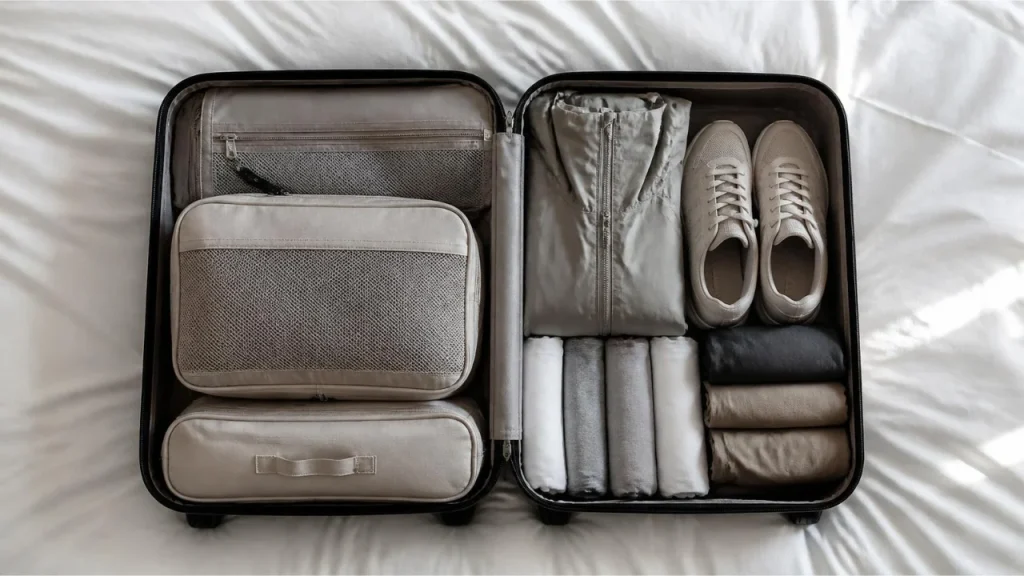
Packing light is one of the most useful travel skills over 50, because every pound adds strain. It’s also a skill you improve with practice.
Start With What You Wore Last Time
Review your last trip. Which items did you wear repeatedly, and which stayed folded at the bottom of the bag? Leave the unused items at home.
Pack Around a Color Family
If everything matches, you can mix and match with fewer pieces. Choose neutral base colors and one accent.
Know Your Bag Limits
Major US airlines list carry-on maximums of 22 x 14 x 9 inches, but each airline has its own personal-item rules, so check before you fly.
A simple test: pack your bag, carry it around your neighborhood for ten minutes and climb a flight of stairs. If you feel strain, remove something.
Skill 3: Manage Money Without Hidden Fees

Small fees add up over a long trip, especially when you use cards daily.
Understand Foreign Transaction Fees
Many issuers charge foreign transaction fees, usually between 1% and 3%, and some sources put them as high as 5%. Others charge nothing. Read your card agreement before you leave, and consider a card that waives these fees.investopedia+2
Use the Right Card for the Right Job
One practical strategy is to use a no-fee credit card for hotels, restaurants and shopping, and keep your debit card mainly for ATM withdrawals. Check whether your bank reimburses ATM fees. Some do for certain customers.cardcritics+1
Pay in Local Currency
When a card terminal asks whether to pay in your home currency or the local one, choose local currency. This avoids conversion fees at the point of sale.forbes
Carry a Backup
Pack at least two payment methods, stored in separate places. Keep a small amount of local cash for emergencies.
Skill 4: Understand Your Health Coverage Before You Leave
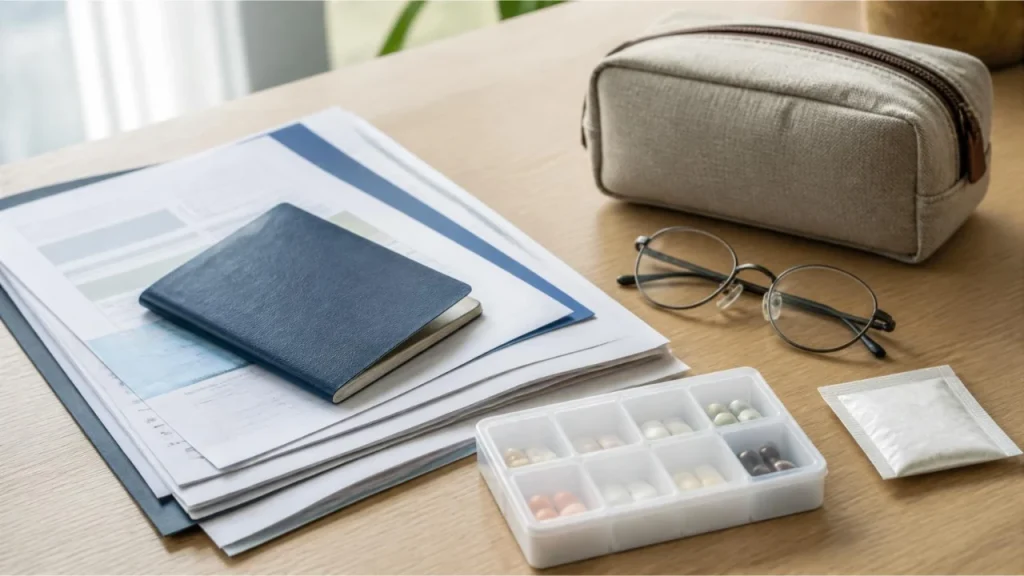
This is the part many travelers overlook, and the consequences can be serious.
Medicare Usually Stops at the Border
For travelers in the United States, Medicare generally doesn’t cover health care outside the country, with very limited exceptions. The State Department also notes that Medicare and Medicaid do not pay for medical care abroad.medicare+2
Some Medigap plans may cover emergency care abroad. The CDC notes that certain plans may cover 80% of billed charges for emergency care after a $250 deductible, if the care begins during the first 60 days of international travel. Check your own policy details, because they differ.cdc
Consider Travel Medical Insurance
The State Department recommends buying travel health insurance before you go. It also strongly recommends medical evacuation coverage for higher-risk or remote destinations. One consumer source estimates that evacuation can cost $50,000 to $100,000 or more, though that figure comes from an insurer-affiliated page.travel.state+1
Read the Fine Print
AARP notes that some travel insurance policies exclude preexisting conditions, so check exclusions and coverage limits before you buy. Medicare.gov adds that travel insurance does not necessarily include health coverage.medicare+1
Ask these questions before choosing a policy:
- Does it cover emergency medical care abroad?
- Does it include medical evacuation?
- Are preexisting conditions covered?
- What is the claims process, and does it pay hospitals directly?
This is general information, not personal advice. An insurance agent or your plan provider can answer questions about your situation.
Skill 5: Prepare Documents and Medications
A few small habits prevent major headaches.
Check Your Passport Early
The State Department advises checking your passport’s expiration date when you start planning. Some destinations won’t let you in if your passport expires within six months, so travel documents should be valid for at least six months after your return.
Organize Your Medications
Carry medication in its original packaging and keep it in your hand luggage. Bring a written list of your medicines, doses and doctor’s contact details. For liquids over 3.4 ounces, TSA allows medically necessary medications in carry-on bags, but you should remove them for separate screening.
Make Digital and Paper Backups
Keep copies of your passport, insurance policy and bookings in a secure cloud folder. Print one set and store it separately from the originals.
Skill 6: Stay Connected and Safe
Plan Your Data Before You Land
Roaming can be costly. The FCC warns that rates on foreign networks may be much higher, and recommends asking your carrier about international options before you travel. A travel eSIM or an international plan may be cheaper, so compare before you go.
Enroll in Safety Updates
The State Department’s Smart Traveler Enrollment Program (STEP) lets US travelers receive safety alerts for their destination. Review your destination’s travel advisory before booking.
Use Everyday Safety Habits
- Keep your phone and wallet in a front pocket or secure bag.
- Don’t leave valuables in view in a parked car or café.
- Tell someone your daily plan.
- Save emergency numbers and your accommodation address offline.
Skill 7: Pace Your Pleasure
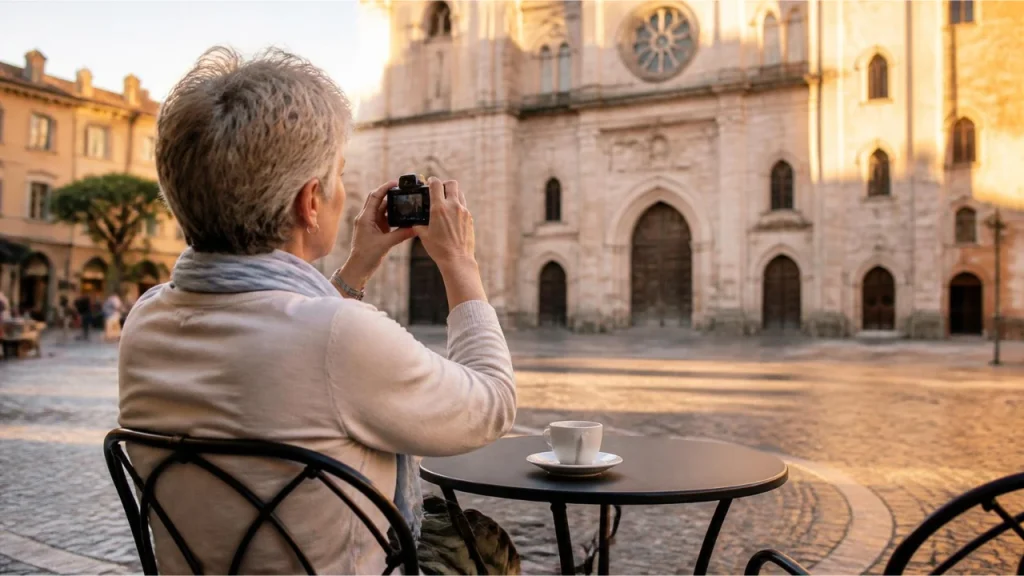
Travel skills are not only about avoiding problems. Some of the best ones help you enjoy a place more.
Slow Down on Purpose
Choose fewer places and stay longer. A morning at a market, an unplanned café stop or a quiet walk through a neighborhood often becomes the highlight of the trip.
Take Photographs Thoughtfully
Photography encourages you to notice light, textures and small details. Try limiting yourself to a handful of photographs each day, then spend the rest of the time simply looking.
Keep a Simple Journal
Write two or three lines each evening. You’ll remember more of the trip, and you’ll learn what you enjoy most for next timehttps://travelminx.com/how-to-plan-a-comfortable-road-trip-after-55-a-practical-guide/.
A Quick Pre-Trip Checklist
- Passport valid, with six months beyond your return date.
- Insurance policy checked, including health and evacuation cover.
- Cards reviewed for fees, with a backup payment method.
- Medication packed in original packaging, with a written list.
- Bag weighed, lifted and tested.
- Data plan or eSIM arranged.
- Documents copied and stored separately.
Conclusion
Strong travel skills over 50 are about preparation, pacing and good decisions rather than endurance. Plan trips that suit your energy, pack only what you use, understand your fees and insurance, and keep your documents in order. None of these habits needs to be perfect.
Choose one or two to improve before your next trip. Over time, they add up to smoother journeys, fewer surprises and more time spent enjoying the places you visit.
FAQ
1. What are the most useful travel skills over 50?
Pacing your itinerary, packing light, managing money and understanding your health coverage matter most. They reduce stress and prevent costly mistakes.
2. Does Medicare cover me when I travel abroad?
Generally no. Medicare usually doesn’t cover health care outside the US, with very limited exceptions. Consider travel medical insurance and check whether a Medigap plan offers emergency coverage abroad.medicare+2
3. How can I avoid extra fees when using cards abroad?
Check your card agreement for foreign transaction fees, which commonly range from 1% to 3%. Consider a card that waives them, and pay in local currency when asked.cardcritics+1
4. How do I pack lighter without feeling underprepared?
Review what you used on your last trip and leave the rest. Pack around one color family and test the bag’s weight by carrying it for ten minutes.
5. What should I do before leaving to stay safe?
Check your passport expiry, review your destination’s travel advisory and consider enrolling in STEP if you are a US traveler. Share your plans with someone and keep backups of key documents.