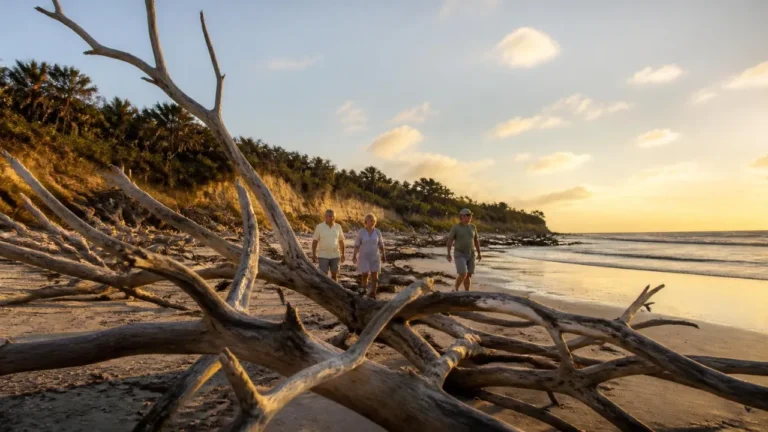
A suitcase can stay in the closet for months without your interest in the world disappearing. Yet everyday routines have a way of pushing that interest aside. You stop looking closely, postpone learning something new, and begin treating travel as something that happens only after a booking confirmation arrives. There is another approach: bring a […]
A suitcase can stay in the closet for months without your interest in the world disappearing. Yet everyday routines have a way of pushing that interest aside. You stop looking closely, postpone learning something new, and begin treating travel as something that happens only after a booking confirmation arrives.

There is another approach: bring a little of the attention you give unfamiliar places into ordinary life.
Keeping a travel mindset does not require constant spending, a packed calendar, or pretending that a neighborhood walk replaces a long-awaited vacation. It means staying curious while building habits that make your next journey more thoughtful.
Whether you are working full-time, planning retirement adventures, or waiting for the right moment to leave, the weeks between trips can become useful—and enjoyable—in their own right.
Start With What You Actually Miss About Traveling
Before collecting destination ideas, ask yourself a more revealing question: what part of being away do you miss?
Perhaps it is waking up without a schedule. Perhaps it is hearing another language, choosing unfamiliar food, or spending uninterrupted time with your partner.
Write down three answers. Then separate the experiences from the locations.
“Breakfast in Italy” might really mean sitting outside without checking your phone. “A mountain vacation” might mean quiet surroundings and an afternoon without obligations.
You cannot recreate every destination at home, nor do you need to. Identifying the experience underneath the memory gives you a realistic starting point.
Try making two lists:
- Experiences you can enjoy this month.
- Experiences worth saving for a future trip.
This small distinction keeps travel inspiration from becoming a constant reminder of what you cannot currently do.
Give Your Curiosity a Small Weekly Appointment

Things to Do on Amelia Island: A Practical Guide to Florida’s Quieter Coast
A vague promise to “explore more” is easy to postpone. A specific, manageable appointment is easier to keep.
Set aside thirty minutes each week for something unfamiliar. Choose the activity before the day arrives, and keep the preparation simple.
For example, you might browse a local history collection, watch an interview with a craftsperson, or explore a neighborhood you usually drive past.
Use a Question Instead of a Checklist
Give each outing one question:
- Why was this neighborhood built here?
- What makes this building different from those nearby?
- Where does this restaurant’s regional style come from?
- What would I show a visiting friend?
Questions give an ordinary outing direction without turning it into homework.
If walking is uncomfortable or the weather is poor, choose a seated activity, a short accessible route, or an online exploration. Curiosity does not have a minimum distance requirement.
Build a Destination Folder That Helps You Decide
Saved posts can quickly become a collection of attractive images with little practical value. A useful destination folder should help you make decisions, not simply accumulate possibilities.
Choose one place and create four short sections:
- Why it interests you.
- What you would genuinely enjoy doing.
- What might make the trip difficult.
- What you still need to verify.
Suppose you are considering a coastal vacation. Rather than saving twenty hotel photographs, investigate whether you want a beachside property or a walkable town center.
Those choices shape the experience more than another sunset picture.
Separate Inspiration From Verified Information
A personal blog can introduce an appealing idea, while an official source is usually the better place to confirm entry requirements or operational details.
For Americans planning international travel, the U.S. Department of State recommends checking destination information, entry requirements, local laws, and current travel advisories.travel.state
Label your notes “idea,” “confirmed,” or “check before booking.” That simple habit prevents an old screenshot from becoming an expensive assumption.
Practice the Small Tasks That Make Trips Easier
Travel preparation does not have to begin with choosing flights. Sometimes the most useful work is rehearsing an everyday task before you need it in an unfamiliar place.
Think about the moments that caused friction on your last trip. Was it finding a ticket on your phone, carrying a heavy bag, or understanding a transport connection?
Pick one issue to solve.
Try a Low-Pressure Packing Rehearsal
Pack for an imaginary three-night trip using what you already own.
Carry the bag around your home, lift it onto a suitable surface, and check whether you can retrieve essential items without unpacking everything.
Notice duplicate clothing, awkward compartments, and things included only “just in case.”
The goal is not to meet somebody else’s minimalist standard. It is to understand what works for you before departure morning.
Rehearse Your Digital Routine
Practice saving a booking confirmation, organizing travel emails, and locating an important document.
You could also learn one camera setting using nearby subjects rather than waiting for a once-in-a-lifetime view.
Make each practice session short enough to finish. Solving one familiar annoyance is more useful than downloading six tools you never learn to use.
Explore a Place Before You Commit to Visiting
A virtual visit can help you decide whether a destination matches your interests. Treat it as a preview, not a substitute for being there.
The National Park Service offers virtual tours, ranger programs, and digital experiences covering a range of American parks and historic sites.nps
Choose one experience and write down what caught your attention. Was it the landscape, the history, or a particular activity?
Then ask what a real visit would involve: driving, walking, advance reservations, or a longer stay.
Before making plans, check the individual park’s official information for current access conditions, fees, and reservation requirements. The NPS specifically recommends verifying those details during trip planning.nps
This approach turns online browsing into informed curiosity rather than endless scrolling.
Turn Travel Memories Into Better Future Choices
Old photographs are useful for more than remembering where you stood. They can reveal what you actually enjoyed.
Choose ten images from a past trip. Beside each one, write a sentence about the experience—not merely the location.
For example:
“We stayed here longer than planned because the square was quiet.”
“The museum was interesting, but we scheduled too much afterward.”
“We enjoyed this meal because nobody was watching the clock.”
Look for patterns. Perhaps your favorite moments happened early in the morning, involved smaller towns, or left room for conversation.
Use those observations when planning your next journey. Your own preferences are more valuable than a generic list of attractions.
Keep this exercise brief. The aim is to learn from the trip, not create a perfect archive.
Make Cultural Learning a Conversation
Learning about another place becomes more meaningful when you move beyond collecting facts.
Choose one topic you genuinely care about: gardening, architecture, music, family cooking, or local history. Follow that interest across borders.
You might attend a library discussion, take an introductory class, or ask a willing acquaintance about a tradition they enjoy.
Approach conversations with specific, respectful questions. “What do you like about this dish?” leaves more room for an individual answer than “What do people in your country eat?”
Nobody represents an entire culture. Let people share their own experiences without expecting them to become unpaid travel guides.
Likewise, if you practice a language with someone, agree on how the exchange will work and make time for their learning goals too.
Protect the Pleasure From Becoming Another Obligation
Not every evening needs a travel theme. Too much preparation can turn anticipation into work.
Set limits that suit your circumstances:
- Choose a modest monthly budget for optional activities.
- Keep one destination folder active instead of ten.
- Stop researching when you have enough information for the next decision.
- Allow yourself to enjoy home without planning an escape.
For travelers over 55, the right routine may also change with work, caregiving, retirement, or personal preferences. There is no single pace you need to follow.
A quiet month does not make you less adventurous.
A Simple Four-Week Travel Mindset Plan
Start with a schedule light enough to repeat.
Week One: Notice
Take a short local outing or explore a digital collection. Record one detail you would normally overlook.
Week Two: Practice
Choose one practical task, such as organizing documents, testing a bag, or learning useful phrases.
Week Three: Connect
Attend a discussion, share a travel memory with a friend, or exchange recommendations without turning the conversation into a competition.
Week Four: Decide
Review one destination idea. Identify a realistic next step—or consciously leave it for later.
Conclusion: Stay Interested Without Rushing Away
A rewarding travel mindset is not measured by departures, countries visited, or the size of your itinerary. It comes from paying attention and making room for unfamiliar experiences.
Use the time between trips to understand your preferences, practice useful skills, and explore at a pace you can sustain.
Your next vacation may still be months away. You can arrive at it with clearer priorities and fewer avoidable frustrations, while making the days before departure worth enjoying too.
FAQ
1. What does having a travel mindset mean?
It means approaching places and experiences with curiosity, flexibility, and a willingness to learn. You can practice those qualities at home without constantly booking trips.
2. How can I stay inspired when I cannot afford a vacation?
Choose low-cost activities such as library resources, neighborhood exploration, or virtual tours. Set a spending limit so inspiration does not become financial pressure.
3. Are these habits suitable for travelers over 55?
Yes. Adjust activities to your interests, energy, and access needs. Seated learning, short outings, and conversations are equally valid ways to stay engaged.
4. How much time should I spend planning future travel?
Start with one short weekly session. Focus on a specific question and stop when you have answered it, rather than collecting information without a decision.
5. Can virtual travel help with choosing a destination?
It can help clarify what interests you. Use it to generate questions, then check current official information before making reservations or committing money.