Iceland has a reputation as a rugged destination for hikers and road-trip adventurers. That image puts off many travelers who would love the scenery but worry about uneven paths, long drives and unpredictable weather. The truth is more encouraging. Iceland travel for seniors can be relaxed, scenic and safe when you choose the right season, […]
Iceland has a reputation as a rugged destination for hikers and road-trip adventurers. That image puts off many travelers who would love the scenery but worry about uneven paths, long drives and unpredictable weather.
The truth is more encouraging. Iceland travel for seniors can be relaxed, scenic and safe when you choose the right season, move at a sensible pace and decide in advance how much walking you want to do. This guide covers the decisions that matter most, with practical examples for travelers who want comfort without missing the highlights.
Choose the Season Before Anything Else
Your travel dates shape the whole trip, so decide what you most want to see.
Summer gives long daylight and the warmest weather. One Iceland guide lists June through August as the best time for the midnight sun, hiking and open highland roads. July is the busiest month, with temperatures around 13–15°C in Reykjavík.volcanoexpress
Autumn and winter suit travelers who prioritize the aurora. The same guide recommends September to March for Northern Lights. Another source says the aurora is not visible from May through August, because the sky never gets dark enough.rent+1
A Simple Way to Decide
- Choose June to August if you want long days, easy sightseeing hours and a flexible schedule.
- Choose September or October if you want a balance of darker skies, fewer crowds and mild conditions. September and May are described as shoulder-season months with reasonable prices and most attractions accessible.volcanoexpress
- Choose winter only if you are comfortable with short days, ice and sudden weather changes.
Be honest about your tolerance for cold and slippery ground. A trip that matches your energy level beats an itinerary that looks impressive on paper.
Decide How You Want to Travel

Iceland rewards planning more than most destinations. Distances are long, and public transport links between many attractions are limited. The Golden Circle area has no public transport connections between the major attractions.icelandia
Option 1: A Guided Small-Group or Coach Tour
A guided tour removes the stress of driving, navigation and parking. It suits travelers who want commentary, planned stops and someone else watching the schedule.
Ask each operator how many hours you spend on the road each day and how much walking each stop involves. Some days may include several short walks. Others may be mostly driving.
Option 2: A Private Driver or Private Tour
This costs more but gives you control over pace. You can stop for rest breaks, skip a stop that looks tiring or spend extra time where you are comfortable. It is often the best fit for couples with different energy levels or travelers with specific mobility needs.
Option 3: Self-Drive
Self-driving offers the most freedom, but it asks the most from you. You will deal with road conditions, parking areas and changing weather. Choose it only if you are confident driving long distances in unfamiliar conditions.
If you self-drive, check road and weather information each morning. Safetravel, Iceland’s safety information service, publishes updates and guidance for visitors, including northern lights safety.safetravel
The Golden Circle at a Comfortable Pace
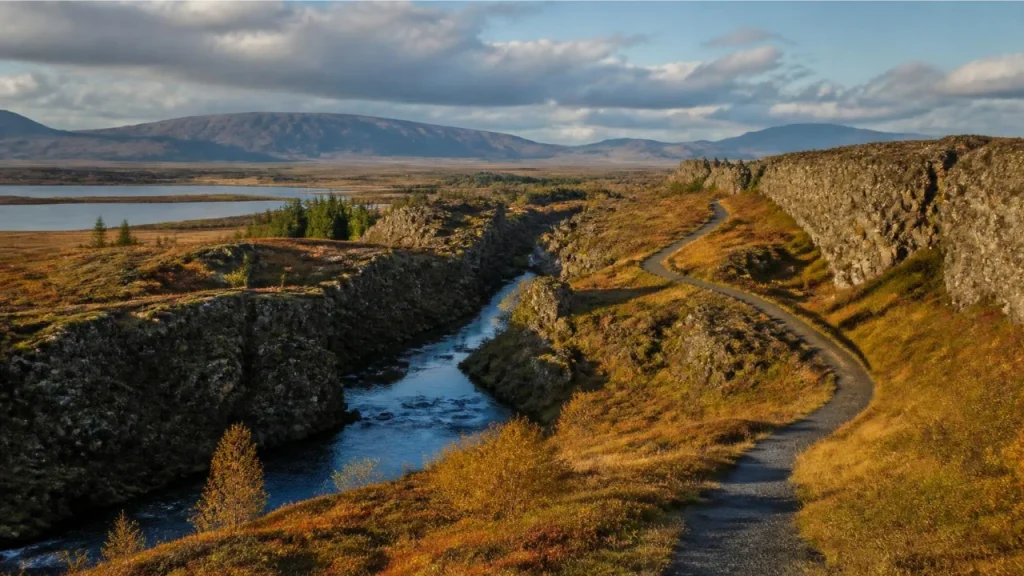
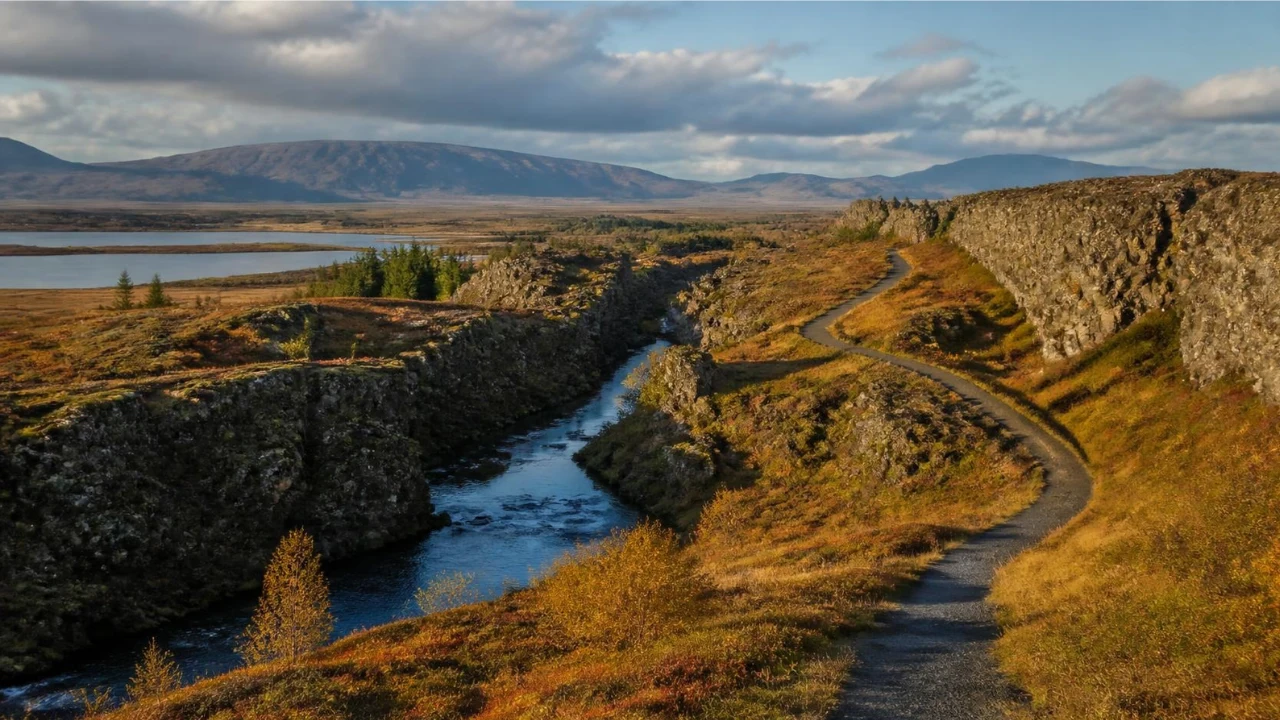
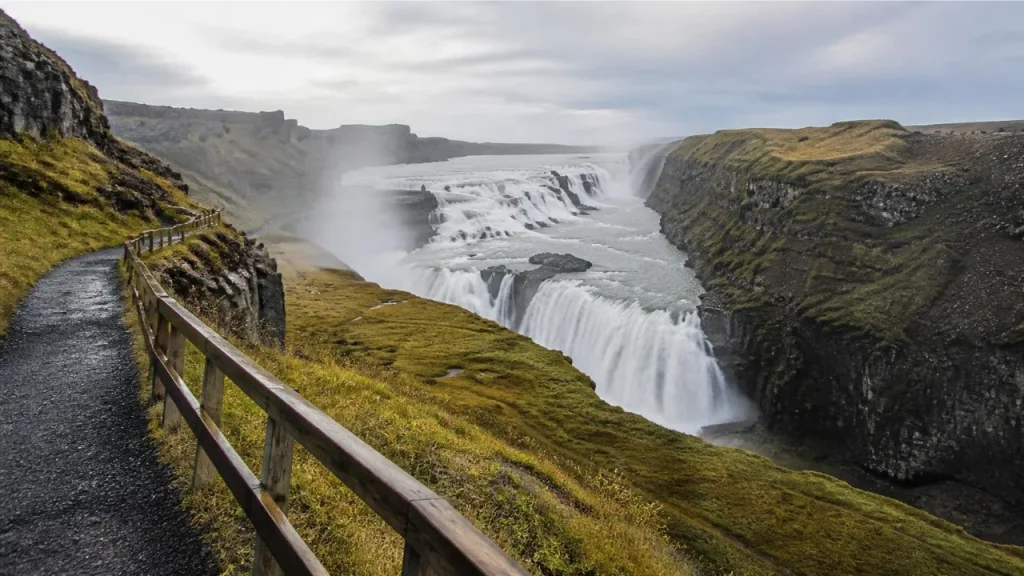
The Golden Circle is the classic first excursion, a route of about 300 kilometers (186 miles) linking Þingvellir, Geysir Geothermal Area and Gullfoss waterfall. It is popular because the three stops show very different landscapes within a single day.guidetoiceland
What to Expect at Each Stop
- Þingvellir combines dramatic geology with a historic setting and walking paths.
- Geysir Geothermal Area has free admission and is open year-round.guidetoiceland
- Gullfoss is the big waterfall stop, with viewpoints at different distances from the parking areatravelminx.com.
Thingvellir, Geysir and Gullfoss remain open year-round at all hours, but visitor centers and cafés keep their own hours. The Þingvellir visitor center opens 9 a.m. to 6 p.m. from April to October and closes earlier in other months.viator
Accessibility Is Better Than Many People Expect, But Not Perfect
One accessibility guide describes the Golden Circle as workable for many visitors with limited mobility, yet not fully barrier-free. It warns that surfaces can be uneven, paths may be steep or icy, and some viewpoints involve steps. Another source says all three major attractions have accessible parking and restrooms close to the main facilities, along with paths to key viewpoints.viator+1
Both statements can be true. If you have limited mobility, contact the tour operator or accommodation first. Describe exactly what you can and cannot manage, such as the number of steps or the distance you can walk.
Safety Tip for the Geothermal Area
Boiling water leaks from the ground in many places, and steam can scald. Stay on marked paths and keep behind the safety ropes.icelandia
Booking the Blue Lagoon the Smart Way
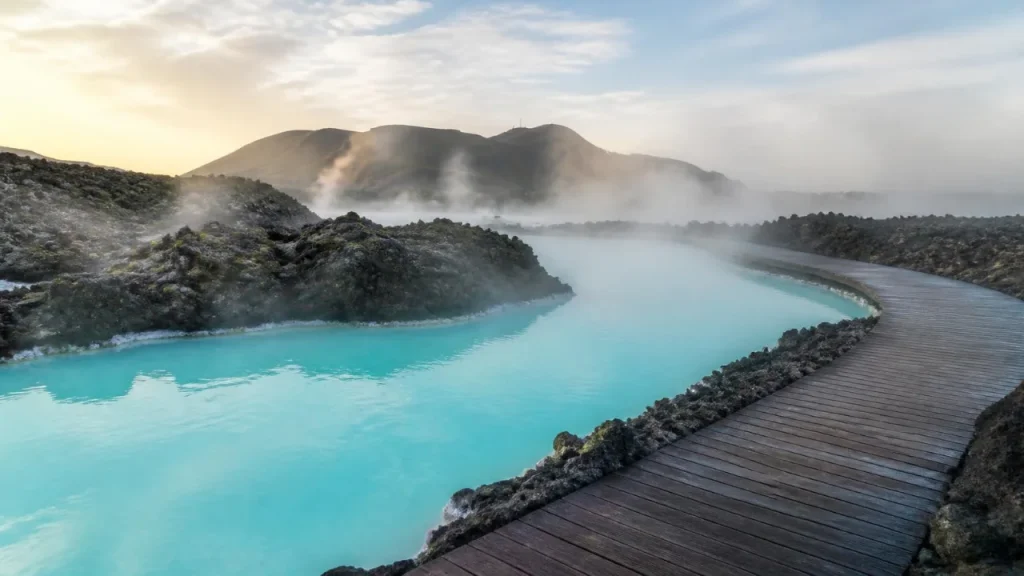
For many travelers, a thermal soak is the highlight of a trip. The Blue Lagoon is the best-known option, and it requires planning rather than a last-minute decision.
Official guidance says the operator requires advance booking, and walk-in availability should not be part of your plan. A ticket seller using the official operator’s admission also warns that timed entries regularly sell out.iceland+1
Practical Planning Notes
- Book your entry time before you travel.
- Check current access information on the day, because the operator advises confirming road status.iceland
- Arrange transport in advance. The official transport partner runs round-trip departures from Reykjavík and Keflavík.bluelagoon
- Contact the operator before booking if you need help entering the water or have specific changing-room needs.iceland
Pace the Day
Do not schedule another demanding sightseeing stop immediately afterward. Warm water and travel fatigue combine quickly, so treat the lagoon as the main event, not an add-on.
Seeing the Northern Lights Without Exhausting Yourself
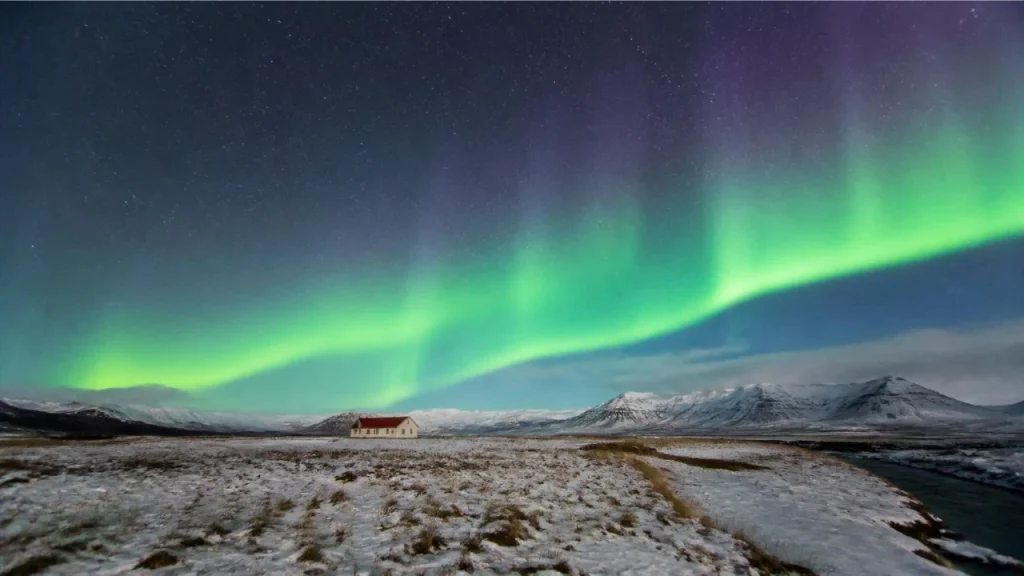
The aurora is never guaranteed. You need dark skies, clear weather and solar activity. The season runs from around mid-September to early April, with many guides pointing to October through March as the peak.rent
A Realistic Aurora Strategy
- Plan at least three or four nights in the same region. One clear night is never enough to count on.
- Check the Icelandic Met Office aurora forecast, which shows predicted activity and cloud cover.rent
- Check the forecast around 6–7 p.m. for the most accurate reading.rent
- Keep roughly 10 p.m. to 1 a.m. free for viewing, but don’t treat it as a strict window.airasia
For comfort, consider a guided evening tour. The guide can chase clearer skies, and you can stay warm in a vehicle between stops. Dress in layers and bring a hat, gloves and warm footwear. Standing still in the dark feels much colder than walking in daylight.
Health, Packing and Everyday Comfort
Good preparation prevents most problems. Start with practical documents. If you are traveling from the United States, the State Department advises checking your passport’s expiration date as soon as you begin planning. Some countries require a passport valid for six months or more after your return.
A Senior-Friendly Packing List
- Waterproof outer layer. Weather can change quickly.
- Warm base layers. Thin layers work better than one thick jacket.
- Shoes with good grip. Wet paths and gravel are common.
- Swimsuit and quick-dry towel. Many geothermal pools require your own gear or rentals.
- Medication and a written list. Carry them in hand luggage.
- Hiking poles. They help on uneven ground, if you are used to them.
Health Habits That Help
Schedule one lighter day after a long flight. Drink plenty of water, especially before a thermal bath. Plan rest breaks at cafés and visitor centers.
Ask your doctor whether hot geothermal water is suitable for you, especially if you have heart or blood pressure concerns. This is a general precaution, not medical advice for your specific situation.
A Sample Six-Day Itinerary
This pacing leaves room for rest and weather changes.
Day 1: Arrive, settle in and take a short walk near your accommodation.
Day 2: Explore Reykjavík on foot or by taxi, choosing one or two museums or cafés.
Day 3: Golden Circle with a guided or private tour. Focus on the viewpoints close to the parking areas.
Day 4: Blue Lagoon in the morning, then an easy afternoon.
Day 5: Choose a flexible day for weather, with a short coastal excursion or a boat trip if conditions allow.
Day 6: Aurora tour in the evening if you travel in season, or a relaxed final dinner.
Money-Saving Tips That Do Not Spoil the Trip
- Book popular timed attractions early.
- Compare group and private tours for the same route.
- Use free sights, such as Geysir, to balance paid activities.guidetoiceland
- Travel in shoulder months for lower prices and fewer crowds.volcanoexpress
Conclusion
Iceland suits older travelers when the trip is planned with realism rather than bravado. Pick your season by priority, decide how you want to travel and keep each day’s activity level manageable. Book timed attractions, and treat the Northern Lights as a bonus rather than a promise.
Done well, Iceland offers geothermal bathing, waterfalls and open landscapes without demanding extreme fitness. The best itinerary is the one you can enjoy from beginning to end.
FAQ
1. Is Iceland a good destination for seniors?
Yes, if you plan carefully. Many highlights are accessible by vehicle, but terrain can be uneven or icy. Choose a pace and season that match your mobility and energy.
2. What is the best time of year for Iceland travel for seniors?
It depends on your priority. June to August offers long daylight and open roads, while September to March suits aurora hunting. Shoulder months offer a balance of price and accessibility.volcanoexpress
3. Is the Golden Circle suitable for people with limited mobility?
Often yes, with planning. The big three attractions have accessible parking and restrooms, but terrain varies and the route is not fully barrier-free. Contact your tour operator with your specific needs.viator+1
4. Do I need to book the Blue Lagoon in advance?
Yes. The operator requires advance booking, and timed entries can sell out.iceland+1
5. When can I see the Northern Lights in Iceland?
The season runs roughly from late August or September to April, with darkness and clear skies required. You cannot see them during the bright summer months.