The Best Things to Do in Italy: 15 Honest Picks Worth Your Time
So you’re finally going to Italy. You’ve dreamed about it, pinned it, maybe even learned a few phrases. But when you start planning the best things to do in Italy, the internet throws everything at you—overcrowded landmarks, generic tours, and itineraries that feel more like checklists than actual experienceshttps://travelminx.com/things-to-do-in-new-york-in-november-2/.
Table of Contents
- What are the best things to do in Italy that tourists usually miss?
- Are the major museums actually worth the crowds for the best things to do in Italy?
- How do the best things to do in Italy change by season?
- Are cooking classes and wine tours overdone among the best things to do in Italy?
- How do you avoid tourist traps when choosing the best things to do in Italy?
- What’s the most overrated versus underrated of the best things to do in Italy?
- Frequently Asked Questions
Let’s talk about what really matters. Not the stuff that looks good on Instagram but leaves you feeling empty. The moments that make you stop mid-bite of cacio e pepe and think, “This is exactly why I came here.”
I sat down with travel writer Marco Bellini, who’s spent fifteen years exploring every corner of Italy, from Sicilian fishing villages to alpine refuges in South Tyrol. He’s the kind of person who knows which church has the best acoustics for hearing Gregorian chants and which beach town actually has locals swimming in October.
What are the best things to do in Italy that tourists usually miss?
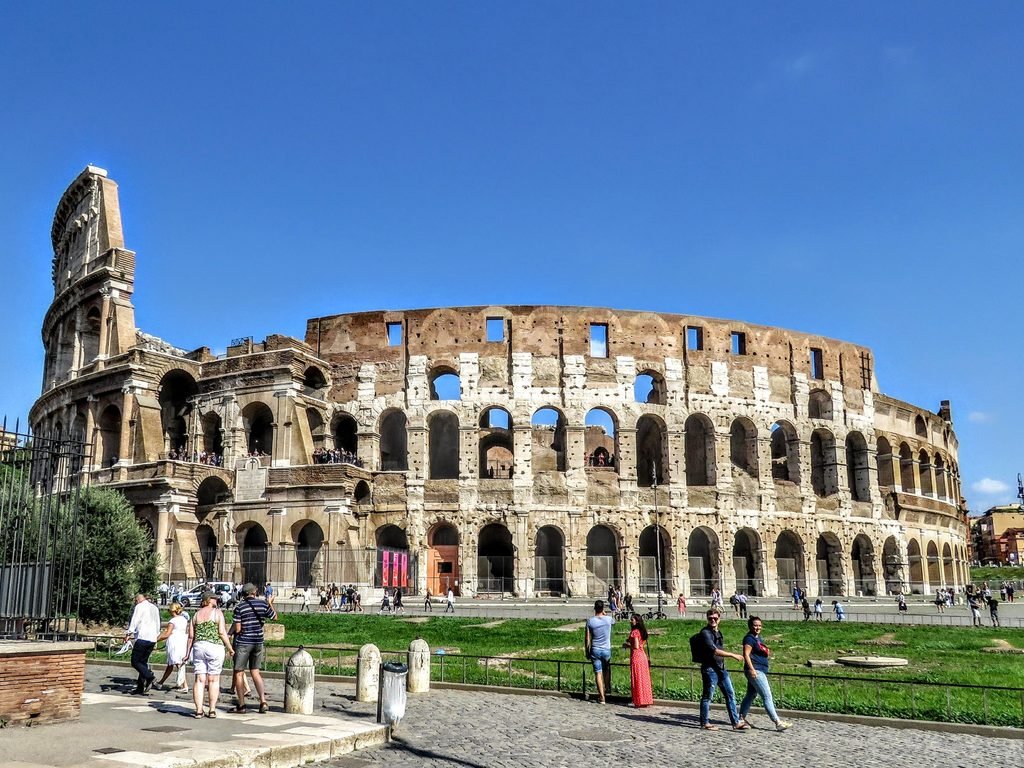
“People obsess over the Colosseum but skip the Appian Way,” Marco says. “They’ll wait two hours for the Uffizi but won’t walk ten minutes to San Miniato al Monte for the sunset that Michelangelo used to watch.”
The best things to do in Italy aren’t always the most famous. Sometimes it’s the secondhand bookshop in Trastevere where the owner speaks six languages and remembers every customer. Or the weekly market in Ortigia where Sicilian grandmothers argue over blood oranges.
Marco recommends the Cinque Terre coastal trail between Vernazza and Monterosso. Not the crowded Via dell’Amore, but the higher path where you’re alone with scrub pines and the Ligurian Sea below. “You’ll see maybe five other hikers all morning,” he says. “And the light on those cliffs around 4 p.m.? That’s what painters have been chasing for centurieswww.booking.”
How do you experience Italian food culture beyond restaurants?
“Take a cooking class, but not the touristy kind,” Marco insists. “Find the ones in someone’s actual kitchen. In Bologna, I know a woman named Giulia who teaches pasta-making in her apartment. You’re rolling dough on her grandmother’s wooden board, using her family’s ragù recipe from 1952.”

The best things to do in Italy for food lovers include walking through morning markets with locals. In Rome’s Testaccio market, vendors will slice you samples of pecorino at different ages. You taste the difference between two months and eight months. You learn why Romans are snobs about sheep breeds.
“Or go to an agriturismo in Tuscany,” Marco adds. “Not a luxury one. A working farm where the family serves what they grew that week. You might get pappa al pomodoro made from tomatoes picked that morning, bread baked in a wood oven, olive oil they pressed in November.”
Are the major museums actually worth the crowds for the best things to do in Italy?
Marco pauses here. He’s careful.
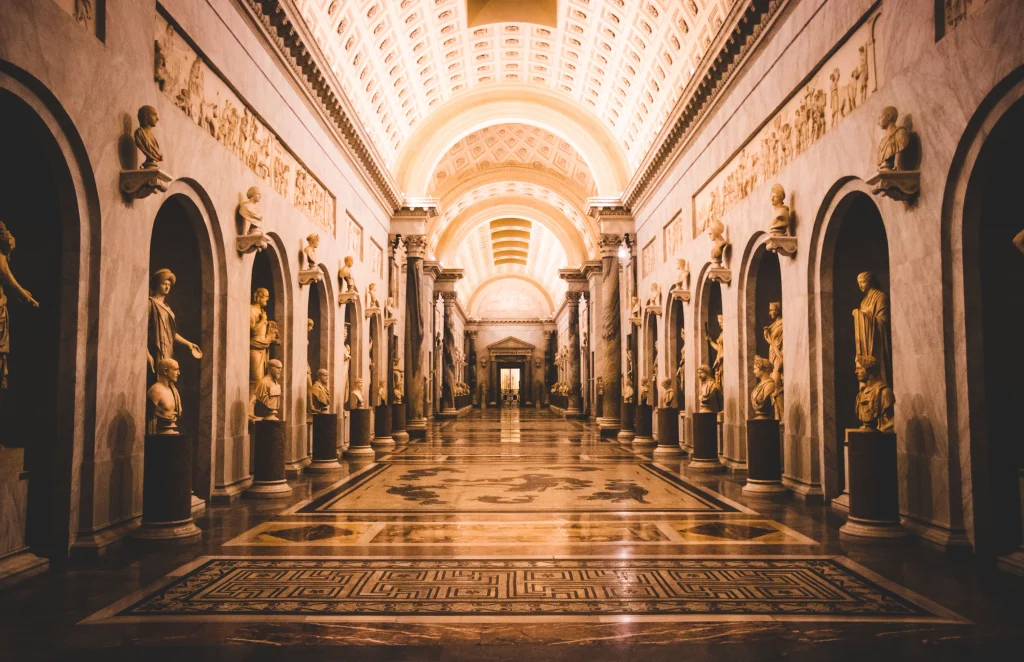
“The Sistine Chapel is extraordinary,” he says. “But you’re shuffled through with three hundred other people, guards hissing ‘No photo’ every eight seconds, and you get maybe four minutes before the crowd pushes you out. Is it worth it? Maybe once. But I’d rather spend that same morning at the Galleria Borghese, where they limit visitors, you can actually breathe, and Bernini’s sculptures will stop your heart.”
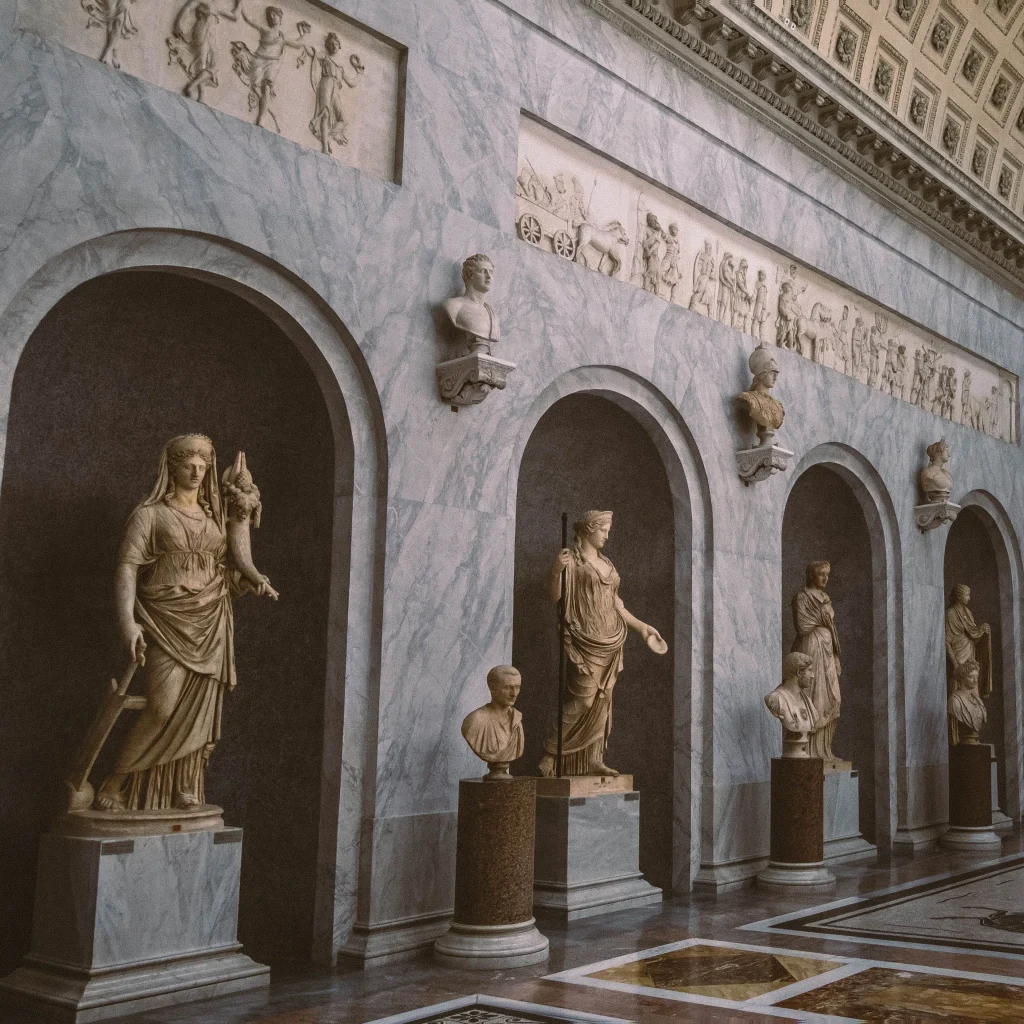
The best things to do in Italy often mean choosing smaller, quieter cultural experiences. The Accademia in Venice has Bellini and Titian without the Uffizi crush. The archaeological museum in Naples holds more complete Pompeii frescoes than Pompeii itself—and you can stand six inches from them without someone’s selfie stick in your peripheral vision.
“Book the museums everyone talks about if you must,” Marco says. “But leave room for the ones nobody mentions. That’s where you’ll actually remember what you saw.”
What about Venice? Is it ruined by tourism?
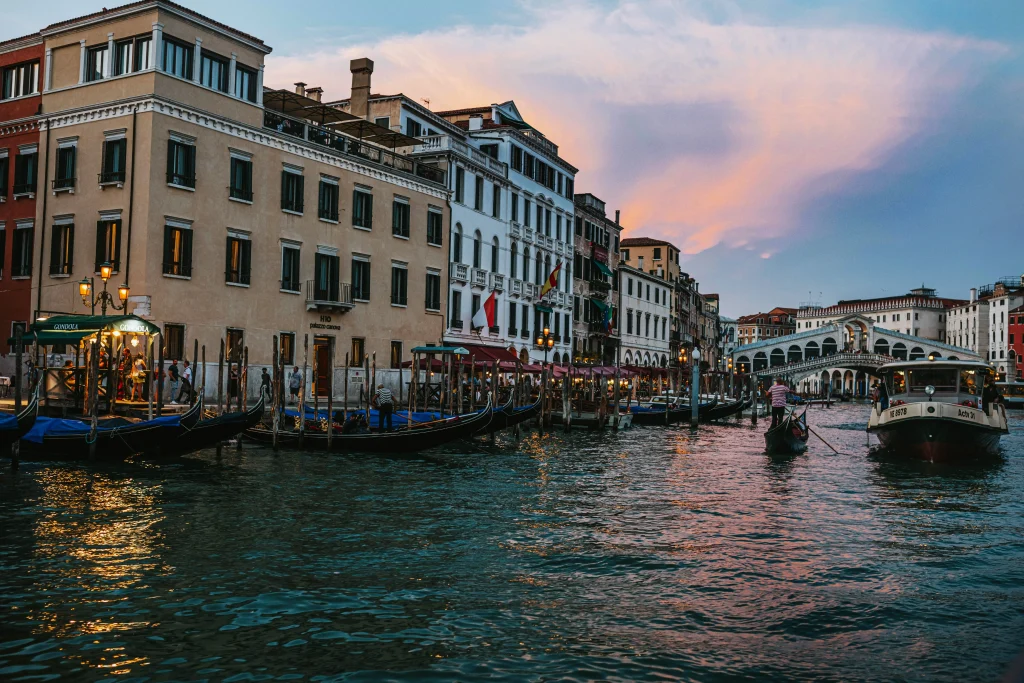
“Venice before 9 a.m. is a different city,” Marco says flatly. “Stay in Cannaregio or Dorsoduro, not near San Marco. Wake up early, walk the empty alleys, watch shopkeepers hosing down their stoops. You’ll see the city the way Venetians still experience it—briefly, quietly, before the cruise ships unload.”
Among the best things to do in Italy, Venice at dawn ranks high. The light is softer. The canals reflect colors you don’t see in afternoon glare. You can hear your own footsteps on the bridges.
“Skip the gondola rides—they’re €80 for twenty minutes of sitting in traffic,” he adds. “Take the traghetto instead. It’s two euros, locals use it to cross the Grand Canal, and you’re standing in an actual working gondola. Same experience, fraction of the cost, and you’re not propping up a tourist trap.”
How do the best things to do in Italy change by season?
“Summer is brutal,” Marco says without apology. “Forty-degree heat in Rome, eight-euro bottles of water, lines around every corner. If you must go in summer, head to the mountains—Dolomites, Gran Paradiso. Italians escape there for a reason.”
The best things to do in Italy in spring involve wildflowers in Umbria and fewer tour buses. Fall brings harvest season—grape-picking in Piedmont, truffle hunting in Le Marche, olive oil festivals in Puglia. “November is magic,” Marco says. “Cool enough to walk all day, warm enough for outdoor dining, and everything’s cheaper.”
Winter, he insists, is underrated. “Christmas markets in Bolzano smell like roasted chestnuts and vin brulé. Milan’s opera season peaks. And Venice in January fog? Genuinely haunting. You feel like you’ve stepped into a Canaletto painting.” Much like experiencing New York in November, Italy’s shoulder seasons reveal the country’s authentic character.
What are the best things to do in Italy for active travelers?
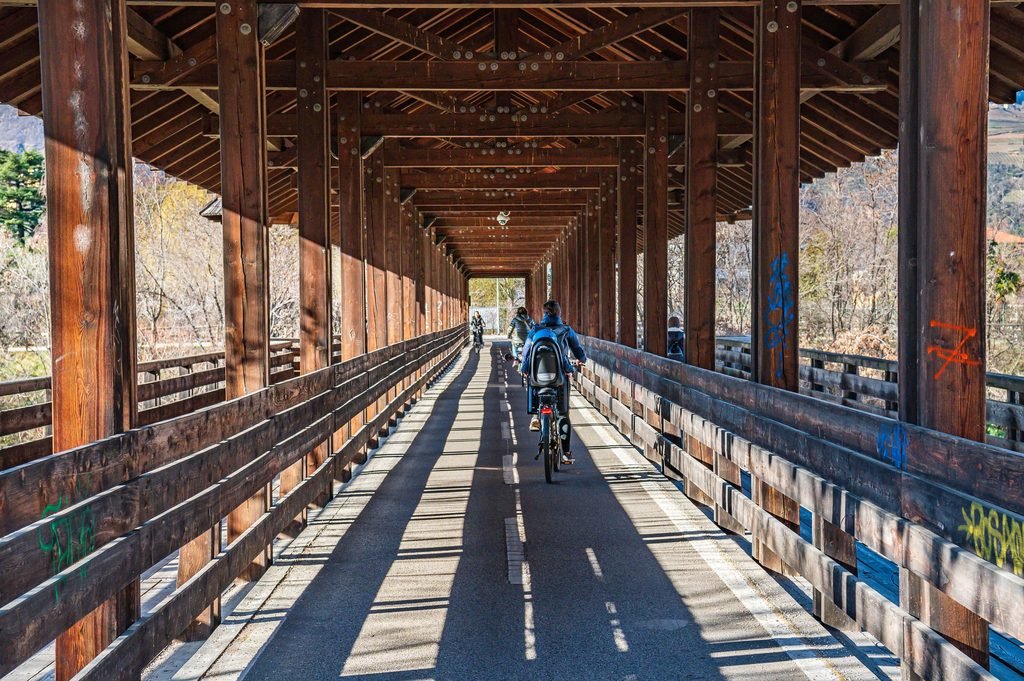
“Rent a bike in Lucca and ride the walls,” Marco suggests. “It’s a four-kilometer loop on top of Renaissance fortifications, shaded by plane trees, with views over the city and the Apuan Alps beyond. Locals do it every evening.”
The best things to do in Italy for hikers extend beyond the famous trails. The Path of the Gods above the Amalfi Coast gets crowded, but the Sentiero degli Dei alternative route from Bomerano stays quieter. “You’re walking through lemon groves and past tiny chapels. The views are the same, but you’re not dodging influencers every thirty seconds.”
For something completely different, try via ferrata climbing in the Dolomites. “It’s rock climbing with steel cables bolted into the mountain,” Marco explains. “You clip in with a harness. Even beginners can do it safely, and you’re scrambling up cliffs that Italian soldiers used in World War I. The sense of exposure and history together—it’s unforgettable.”
Are cooking classes and wine tours overdone among the best things to do in Italy?
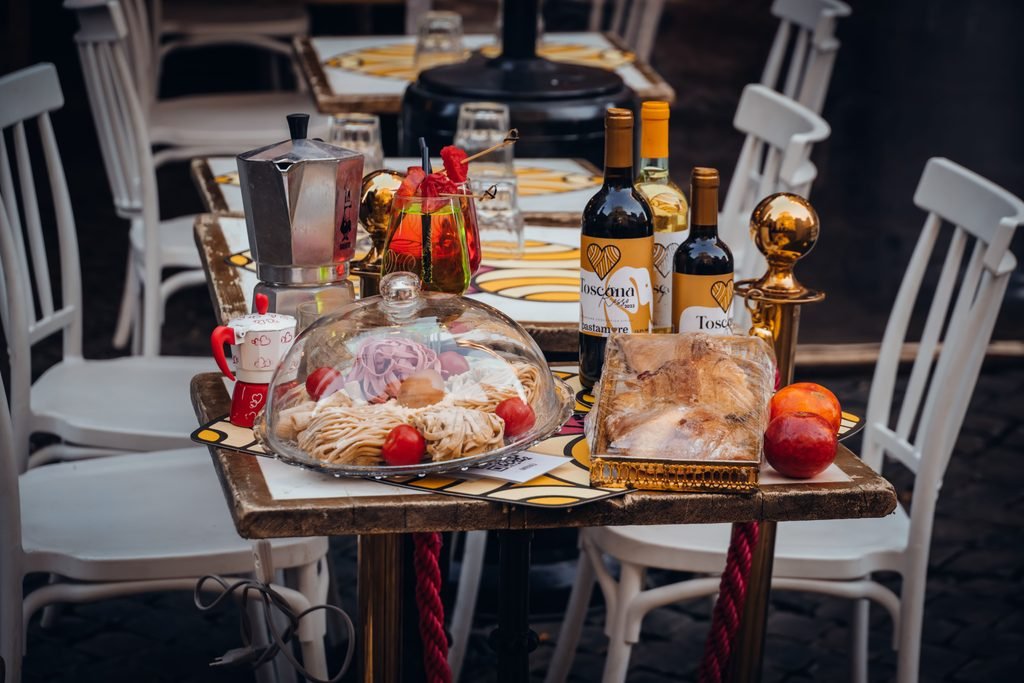
“Most are terrible,” Marco admits. “You’re making bruschetta with twenty-five other tourists in a ‘Tuscan farmhouse’ that’s actually a renovated event space. The wine tour hits three commercial wineries where the tasting room is bigger than the vineyard.”
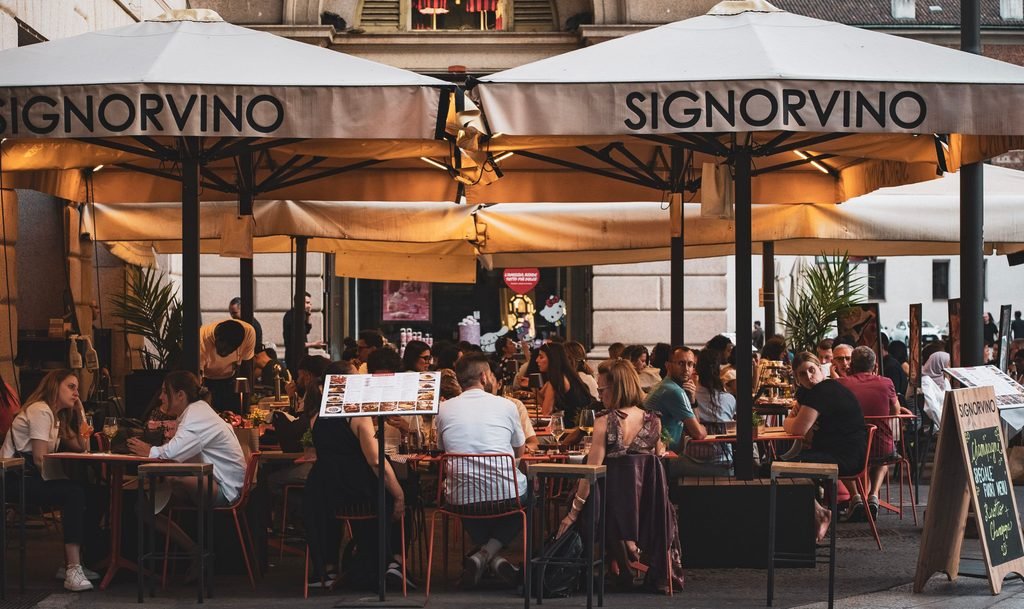
But the right ones, he says, are worth it. “Look for family-run wineries that don’t advertise in English. Email them directly. In Barolo, I know a producer whose grandfather still works the cellar. You taste wine from his personal reserve that never goes to market. He’ll talk for an hour about soil composition and fermentation temperatures because he actually cares.”
The best things to do in Italy involve finding people who are proud of what they do, not performing Italianness for tourists. “Same with cooking classes. If the host’s nonna is there correcting your pasta technique, you’re in the right place. If they’re playing Dean Martin and everyone’s wearing matching aprons, run.”
What about southern Italy? Is it different from the north?
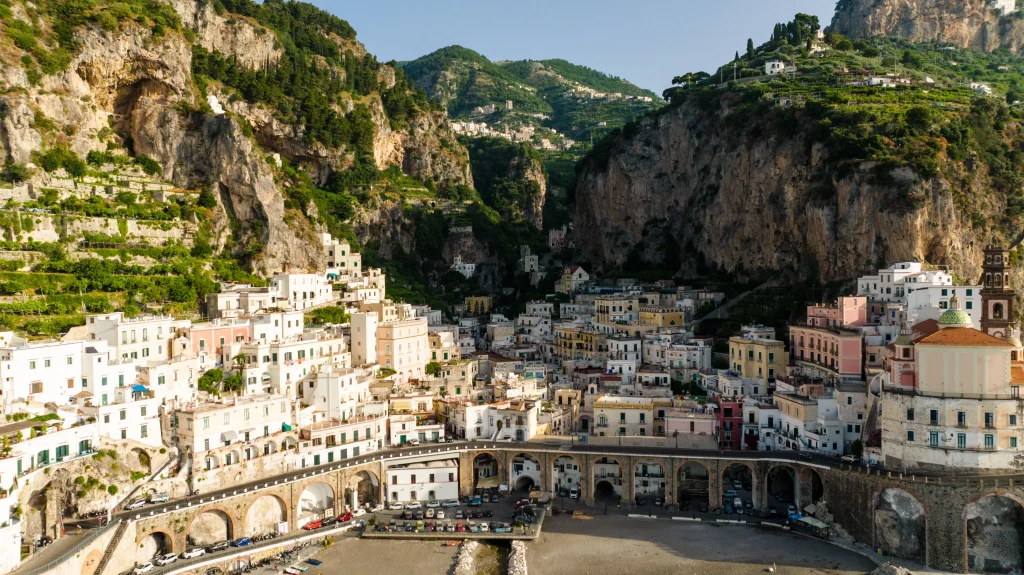
“Completely,” Marco says. “The north has infrastructure, punctuality, efficiency. The south has heart, chaos, and food that’ll make you weep. Both are Italy, but they’re not the same country.”
The best things to do in Italy’s south include places tourists skip entirely. Matera’s ancient sassi caves, carved into rock, feel biblical. Lecce’s baroque architecture rivals anything in Rome but with one-tenth the visitors. “And the Aeolian Islands off Sicily—volcanic beaches, thermal springs, tiny villages where fishing boats still go out before dawn.”
“Southern Italians will feed you,” Marco adds. “You’ll be invited into homes. Strangers become friends over a bottle of Primitivo. It’s slower, louder, more generous. If you want the Italy of family and spontaneity, go south.”
How do you avoid tourist traps when choosing the best things to do in Italy?
“If there’s a person outside waving a menu in English, keep walking,” Marco says. “If the restaurant has photos of the food on a laminated menu, keep walking. If you see more than three tour buses parked nearby, keep walking.”
The best things to do in Italy require a little effort. “Eat where you see Italian families—especially grandparents. They’re not tolerating mediocre pasta. Look for handwritten menus that change daily. Ask locals. Your hotel receptionist knows which trattoria her family goes to on Sundays.”
For attractions, research opening hours and buy tickets in advance. “The Vatican Museums offer early morning access before the official opening. You’re walking through empty galleries for ninety minutes. That’s the difference between seeing art and being herded past it.”
What are some lesser-known regions worth including in the best things to do in Italy?
“Basilicata gets maybe two percent of Italy’s tourists,” Marco says. “It has Greek ruins, medieval hilltop towns, mountains, and coastline. It’s Tuscany fifty years ago—undiscovered, affordable, authentic.”
He also recommends Friuli-Venezia Giulia in the northeast. “It borders Slovenia and Austria, so the culture’s different. You get Alpine influences, Habsburg architecture, incredible white wines, and prosciutto di San Daniele that rivals Parma. Almost nobody goes there.”
The best things to do in Italy include exploring regions without international airports. “Molise doesn’t even exist in most guidebooks. Marche has Renaissance cities and Adriatic beaches without the Amalfi prices. Calabria has Greek ruins, spicy food, and empty coastline. These places don’t show up on Instagram, which is exactly why they’re worth visiting.” Like seeking out legally accessible abandoned places, these overlooked regions reward the curious traveler.
What’s the most overrated versus underrated of the best things to do in Italy?
“Overrated: The Leaning Tower of Pisa,” Marco says immediately. “It’s exactly what it looks like in photos. You’ve seen it. You don’t need to spend three hours getting there and taking the same forced-perspective photo as everyone else.”
“Underrated: Ravenna’s Byzantine mosaics. They’re 1,500 years old, unbelievably intricate, glowing with gold leaf, and almost nobody visits. You stand in these tiny chapels where emperors prayed, and the art is so vibrant it could’ve been finished yesterday. It’s one of those rare places where the reality exceeds any expectation.”
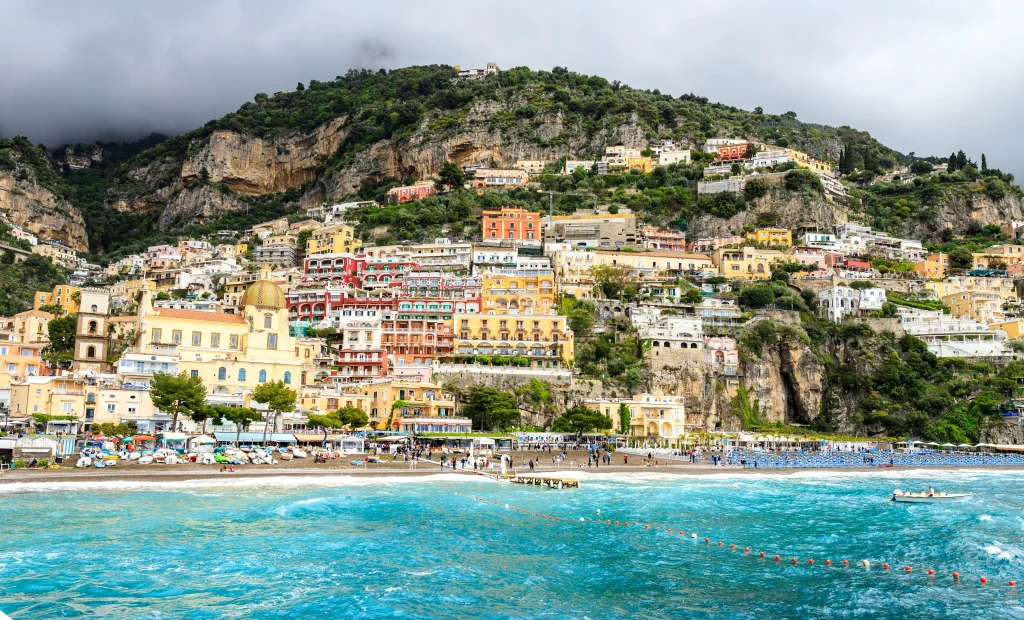
He pauses, considering. “Also overrated: Positano. It’s beautiful, yes. But it’s expensive, crowded, and you’re constantly climbing stairs. Underrated: Procida, the island next to Capri that tourists skip. Pastel buildings, real fishing culture, none of the pretension. You can actually afford to eat there.”
Final honest take: what are the best things to do in Italy if you only have one week?
“Pick one region and go deep,” Marco says. “Americans especially try to do Rome, Florence, Venice, and the Amalfi Coast in seven days. You’ll spend half your time on trains, eating bad airport food, and feeling exhausted. You won’t actually experience anything.”
The best things to do in Italy involve slowing down. “Spend three days in Rome. Not hitting fifteen churches a day—walking neighborhoods, sitting in piazzas, having long lunches. Then maybe four days in one small town. Rent an apartment. Shop at the morning market. Become a regular at a café. That’s when Italy stops being a destination and starts being a place you understand.”
“Or forget the classics entirely,” he adds. “Fly into Bologna, rent a car, explore Emilia-Romagna. The food’s the best in Italy, the cities are gorgeous, and you’ll barely see another tourist. You’ll come home with better stories than anyone who did the Rome-Florence-Venice circuit.”
Frequently Asked Questions
What’s the best time of year to experience the best things to do in Italy?
Late April through early June and September through October offer ideal weather and thinner crowds. You’ll pay less, walk more comfortably, and actually enjoy the experience instead of sweating through it. November can be excellent too—cool, quiet, and authentic, especially in cities. Winter works if you’re targeting opera season, skiing, or simply want Venice without the masses.
How much should I budget daily for the best things to do in Italy?
Outside major tourist zones, €80–120 per person covers comfortable mid-range travel—modest hotels, good meals, museum entries, and local transport. In Venice, Florence, or the Amalfi Coast, bump that to €150–200. You’ll save significantly eating at lunch instead of dinner (same food, half the price) and staying in residential neighborhoods rather than historic centers.
Do I need to speak Italian to enjoy the best things to do in Italy?
No, but learning basic phrases changes everything. “Buongiorno,” “per favore,” “grazie”—these aren’t just polite, they’re respectful. Italians respond warmly when you try. In tourist hubs, English works fine. In smaller towns, have Google Translate ready and a willingness to gesture enthusiastically. The effort matters more than fluency.
Are guided tours necessary for the best things to do in Italy?
Rarely. Most Italian cities are walkable, and museums offer excellent audio guides. That said, a knowledgeable local guide transforms certain experiences—Pompeii makes little sense without context, and Roman Forum ruins become vivid stories with the right person explaining them. Book private or small-group tours (under eight people) for sites where history and context matter. Skip them for churches, piazzas, and anything you can explore at your own pace.

One Comment