Looking for places to visit once in a lifetime? Learn how to choose bucket list destinations, time your trip well and avoid common planning mistakes.
Every traveler carries a mental shortlist of places to visit once in a lifetime. The trouble is that most lists read like a gallery of postcards. You get stunning photos and very little help deciding which trip suits your budget health calendar and patience for long flights.
A salt flat in Bolivia and an ancient city in Jordan can both deserve a spot on your wish list. Yet they demand completely different planning. This guide takes a more practical route. It explains how to judge bucket list destinations, shows how timing and access rules shape real trips, and gives you a simple method for choosing where to go first.
What Makes a Trip Truly Once in a Lifetime?
The label is personal, but the strongest once-in-a-lifetime trips tend to share three qualities:
- Rarity or scale: something you cannot find anywhere else, such as a vast landscape or a heritage site with a singular story.
- Atmosphere: the feeling of standing there, not only the photograph you take.
- Worthwhile effort: long transfers, early starts and a bigger budget feel reasonable when the payoff matches them.
A famous place can still disappoint. Arrive in the wrong season, spend half the day in queues or squeeze the visit into ninety minutes, and the memory may be thinner than the reputation. That is why planning matters as much as the destination.
Natural Wonders That Reward Good Timing
Natural attractions change with the weather, so the month you pick can transform the experience. Two examples show how.
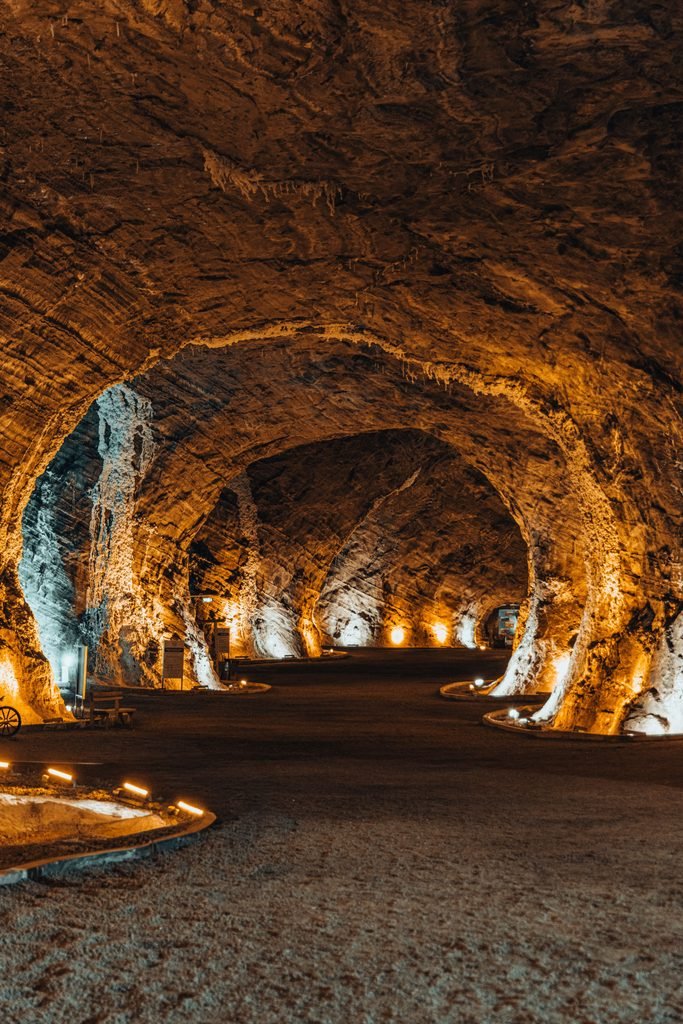
Salar de Uyuni, Bolivia
The world’s largest salt flat has two very different faces. One Bolivia travel guide says the rainy season, from November to April, can produce the famous mirror effect. The dry season, from May to November, offers wider access and clear hexagonal salt patterns.bushop
The same guide notes that heavy rain can melt parts of the salt crust and make large sections impassable for 4×4 vehicles. Other operators give slightly different month ranges, so confirm the current conditions with your tour company before you book.bushop
The practical lesson: decide whether the reflection or the full-access landscape matters more to you, then choose your travel month around that. Pack for cold nights if you go in the dry season.
The Grand Canyon and Other Big Landscapes
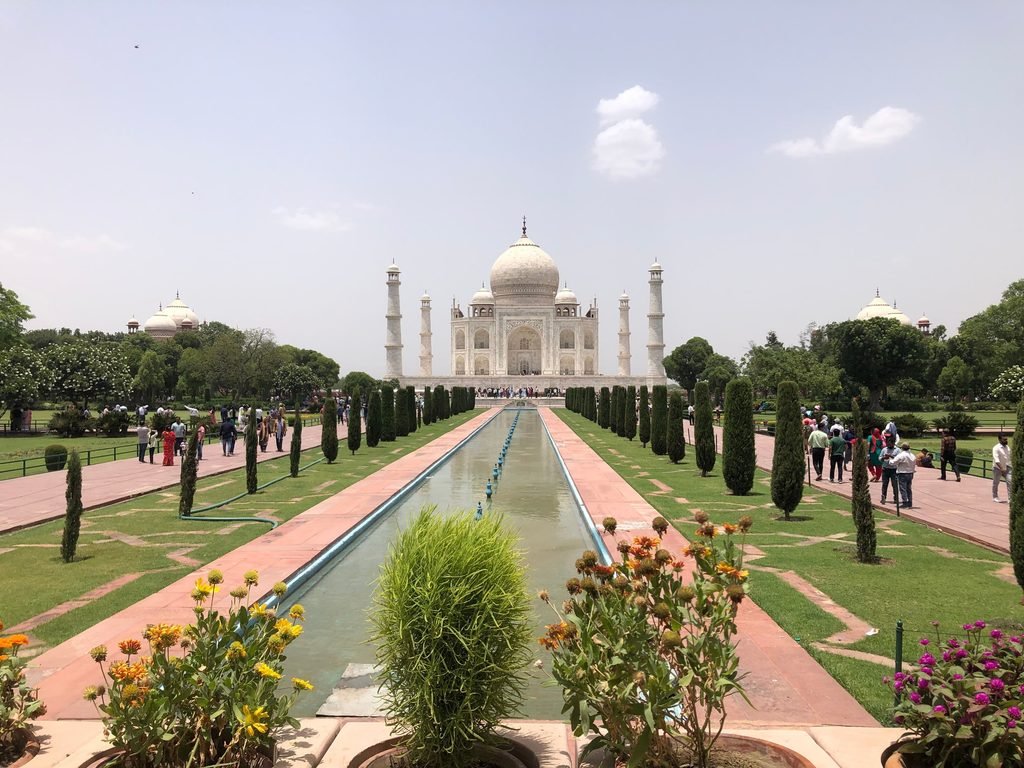
Vast landscapes reward slow viewing. At a place like the Grand Canyon, rim viewpoints give you sweeping scenery without strenuous effort. Descending below the rim is a very different commitment. It calls for more preparation, more water and more recovery time.
Before booking, decide which version of the experience you want. A sunrise at a viewpoint and a full-day hike are both valid choices. They just belong in different trips.
Historic Sites That Need Advance Planning
Ancient and historic landmarks are some of the best places to visit once in a lifetime. They are also where poor planning costs you the most.
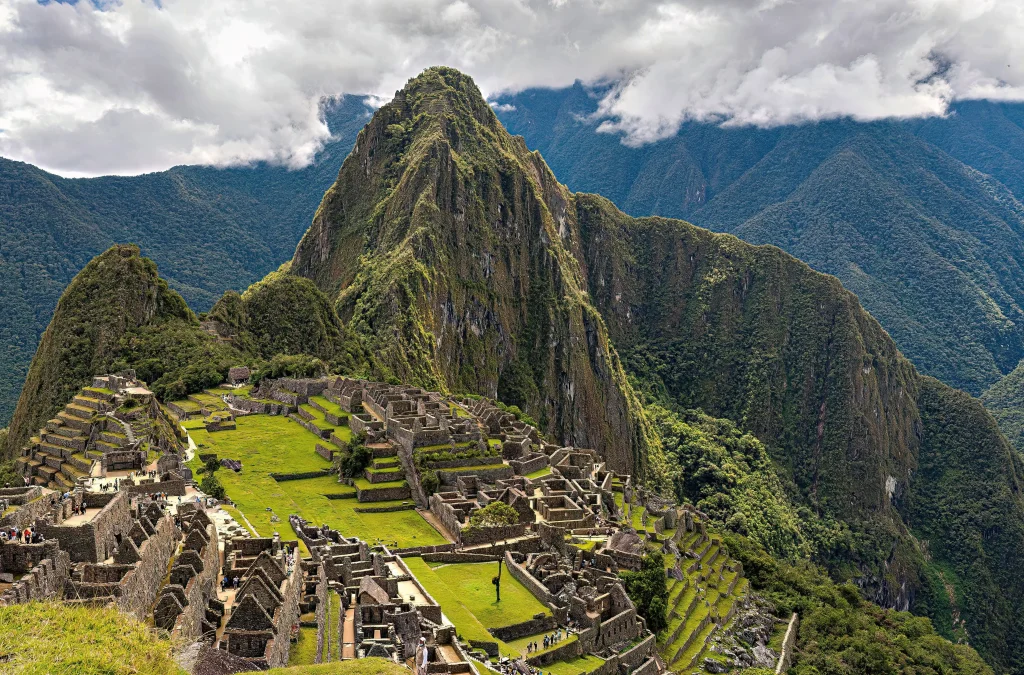
Machu Picchu, Peru
Entry here is tightly controlled. One 2026 regulations summary says visitors must book in advance for a specific entry time and one of three designated circuits. It also says there is no on-site box office. Another guide describes a typical visit as lasting about two to three hours.urosexpeditions+1
A useful rule from a Peru tour operator is to buy your entry tickets first, then arrange trains and hotels around them. Doing it the other way round can leave you with a hotel and no available entry slot.adiosadventuretravel
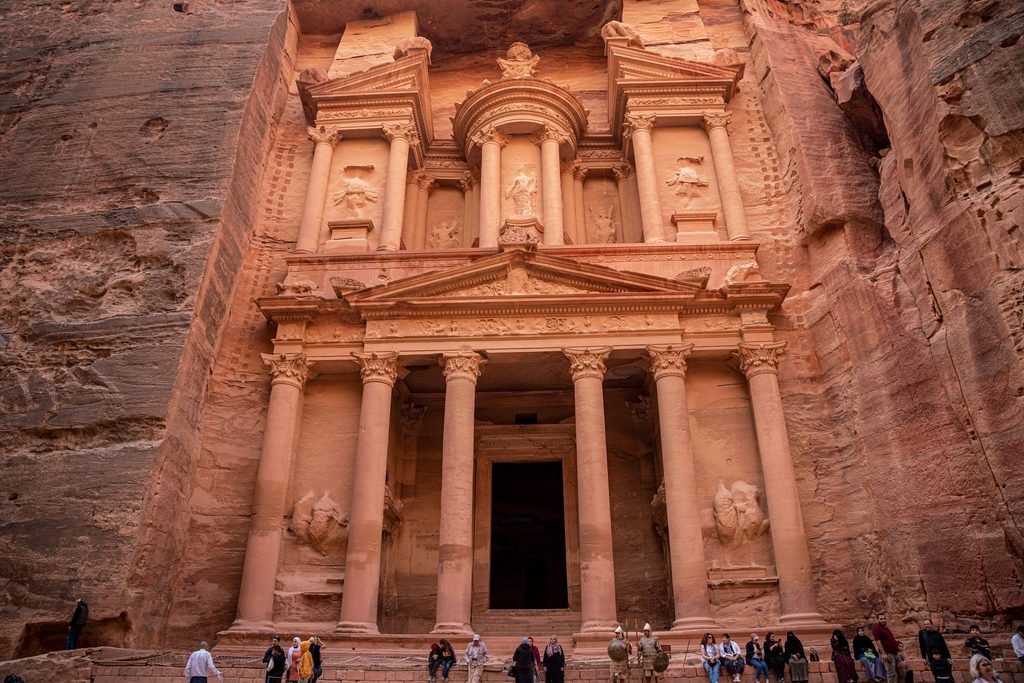
Petra, Jordan
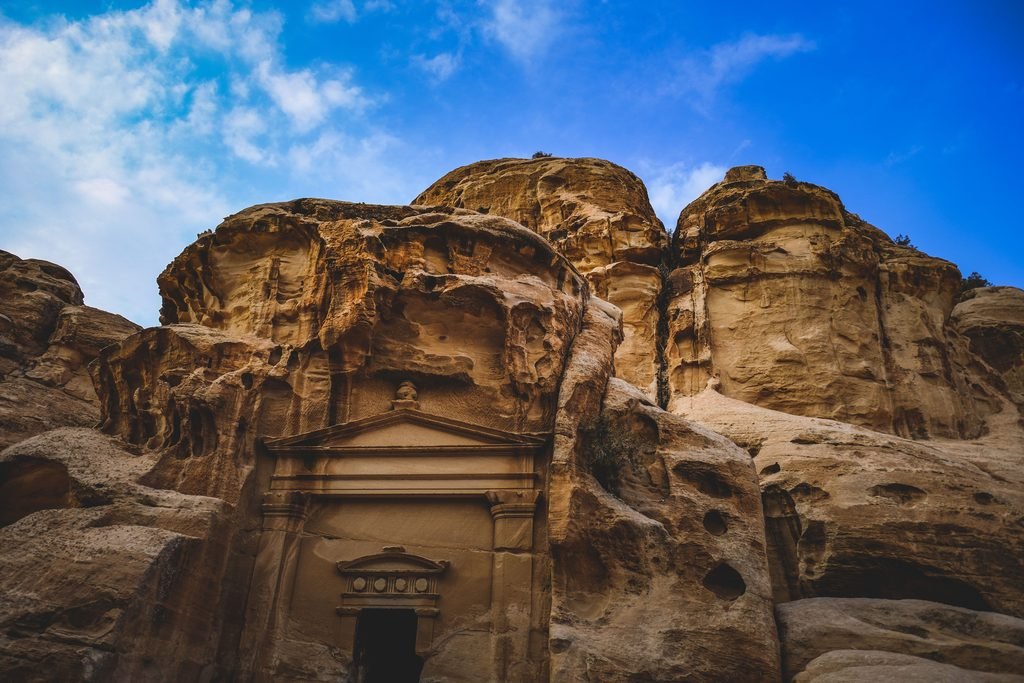
A travel resource that cites Petra’s own guidance recommends spring (March to May) and autumn (September to November), when the weather is mild. Petra rewards a full day rather than a quick stop. One guide estimates that the climb to the Monastery takes roughly 45 to 90 minutes, depending on fitness, heat and crowds.lifeisfortravel+1https://travelminx.com/svalbard-polar-bear-cruise/
Start early, carry water and leave time to rest between viewpoints. The site is rewarding because of the walking, but it is easy to underestimate.
Other Historic Landmarks
The same advice applies to the pyramids at Giza, the Roman Colosseum or Chichen Itza:
- Check opening hours and the ticket system before you travel.
- Plan around midday heat in warmer regions.
- Allow extra time for security checks and queues.
- Consider a licensed local guide if you want historical context.
Wildlife and Remote Adventures
Trips to places like the Serengeti, the Galápagos Islands or Antarctica sit at the more ambitious end of once-in-a-lifetime trips. They usually involve long journeys, limited departure dates and packages that bundle transport, accommodation and activities.
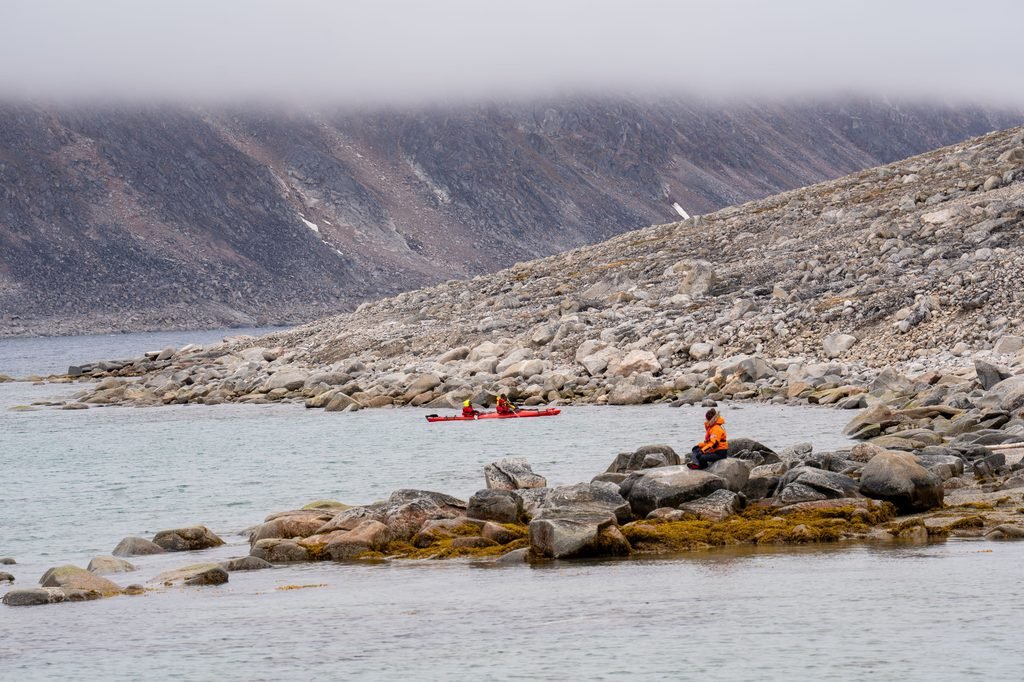
Wildlife is never guaranteed. A responsible operator will tell you that sightings depend on season, weather and chance. Treat an animal encounter as a bonus rather than the entire purpose of the trip, and you will enjoy the journey more.
These trips also tend to need the longest lead time. Start your research early, compare itineraries carefully and read cancellation terms before paying a deposit.
How to Choose Your Own Once-in-a-Lifetime Trip
Instead of copying someone else’s list, build your own shortlist with a few honest questions. These travel planning tips keep the process simple.

Start With Your Budget
Estimate the whole trip, not just the flights. Include transfers, entry tickets, guides, insurance, meals and a cushion for surprises. A place that looks affordable on a flight comparison site can become expensive once local transport and permits are added.
Match the Trip to Your Fitness and Comfort
Be realistic about walking, altitude, heat and long travel days. Many famous sites offer gentler ways to experience them, such as a shorter circuit, a guided transfer or a viewpoint rather than a summit. Choosing the comfortable version does not make the trip less meaningful.
Pick the Season Before the Destination
The best time to visit often decides whether a trip delights you or frustrates you. Ask three questions:
- Which months offer the weather and access you want?
- Which months are busiest, and does that matter to you?
- Do any seasonal closures or rainy periods affect the main attractions?
If your holiday dates are fixed, choose destinations that work in that window rather than forcing a mismatch.
Common Planning Mistakes to Avoid
Even well-researched trips go wrong in predictable ways:
- Booking flights first: check entry rules and availability before you commit to dates.
- Packing too many stops into one itinerary: a rushed trip is rarely a memorable one.
- Ignoring local conditions: weather, road access and opening hours can change.
- Relying on a single source: compare official sites, operators and recent traveler reports.
- Skipping rest days: build recovery time into long journeys.
Final Thoughts
The best places to visit once in a lifetime are not necessarily the most famous ones. They are the places that suit your interests, your timing and your energy. A carefully planned visit to one destination often beats a rushed tour of several.
Start with a short list of three or four places, check the season and entry requirements for each, and choose the one that makes the most sense for your next trip. Then book the essentials first, and leave room for the unplanned moments that make a journey memorable.
FAQ
1. How do I choose between several bucket list destinations?
Compare them by budget, travel time, physical demands and the season you can travel. If two places still seem equal, choose the one with the more limited access or the stricter booking window, because it is harder to postpone.
2. When should I start planning once-in-a-lifetime trips?
Start several months ahead for popular sites with controlled entry, such as Machu Picchu, where tickets must be booked for a specific time. Wildlife expeditions and remote journeys often need even longer lead times.urosexpeditions
3. Is it better to travel independently or with a guided tour?
It depends on the destination. Independent travel offers flexibility. A guide or organized tour can simplify permits, transport and safety in remote or complex locations. Many travelers combine both approaches.
4. What is the best time to visit places with seasonal changes?
There is no single answer. At Salar de Uyuni, for example, the rainy and dry seasons offer different experiences, with access and conditions varying by month. Check current guidance for your destination and confirm with local operators.bushop
5. How can I keep a big trip comfortable?
Limit the number of destinations, schedule rest days, and choose a pace that suits your energy. Book key entries first and keep your itinerary flexible enough to handle weather or transport delays.