A white shape on sea ice can stop an expedition ship cold. Binoculars come up; the bridge adjusts course; the passengers who have spent days scanning glacier faces and distant shorelines fall silent. Then, often, the shape resolves into a lump of snow, a pale rock, or a bearded seal.https://travelminx.com/horseback-riding-jackson-hole/ That anticlimax is part of […]
A white shape on sea ice can stop an expedition ship cold. Binoculars come up; the bridge adjusts course; the passengers who have spent days scanning glacier faces and distant shorelines fall silent. Then, often, the shape resolves into a lump of snow, a pale rock, or a bearded seal.https://travelminx.com/horseback-riding-jackson-hole/
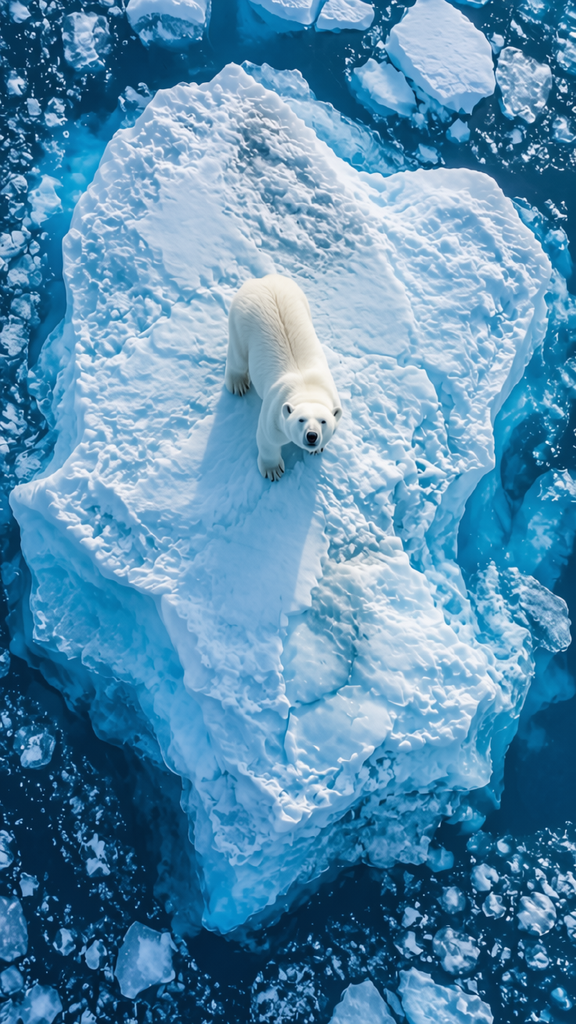
That anticlimax is part of the honest bargain in Svalbard. A polar bear cruise is not a ticketed encounter with the Arctic’s most marketable animal. It is a voyage through the bear’s habitat, under rules increasingly designed to ensure that the animal, rather than the visitor, decides whether there is an encounter at all.
This distinction matters. Svalbard’s tourism authority says plainly that the archipelago has no organized “polar bear safaris,” and no operator can legally promise a sighting. A bear is a rare bonus, not the product. (en.visitsvalbard.com)
The bear is the attraction, but not the itinerary
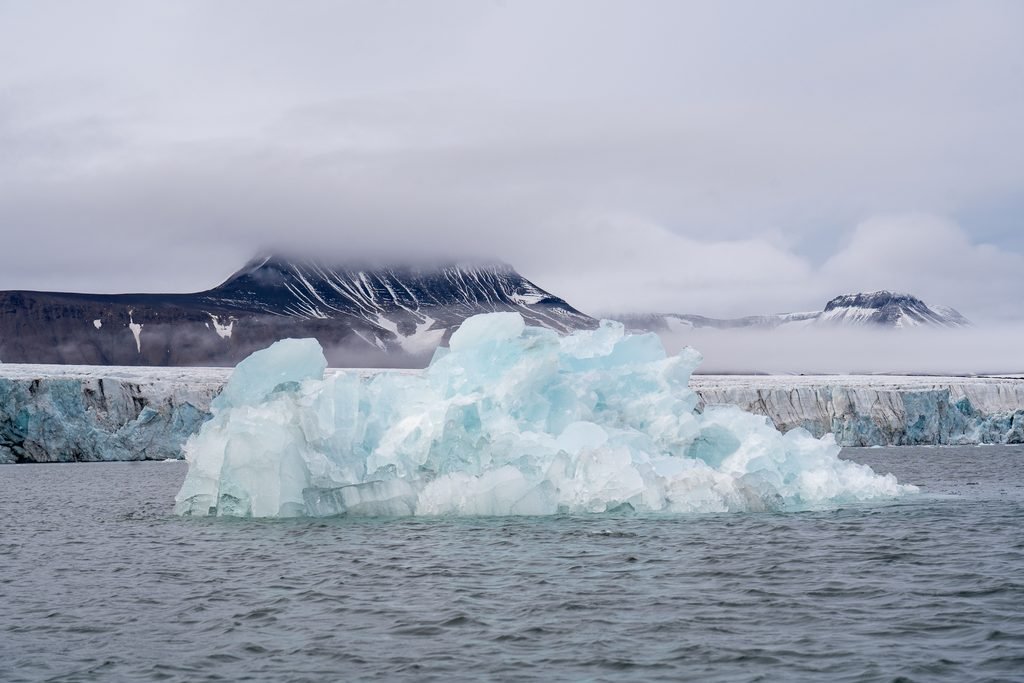
Most expedition cruises begin and end in Longyearbyen, then work around Spitsbergen according to ice, weather, sea state, permits, and wildlife conditions. A northern route may include Kongsfjorden, where research stations sit beneath sharp mountains, or the glacier-cut fjords of northwest Spitsbergen. Circumnavigation itineraries, when conditions permit, can reach the more bear-rich east coast, the pack ice north of Nordaustlandet, and remote areas near Edgeøya.
But calling these “polar bear routes” exaggerates the control a ship has over events.
The Norwegian Polar Institute notes that polar bear densities are generally low along western Spitsbergen for much of the year. Bears are more concentrated along the east coast and in northern fjords with sea ice, while spring hunting is especially associated with glacier fronts, where ringed seal lairs are concentrated. The important denning areas include Kongsøya, Svenskøya, Edgeøya, Nordaustlandet, and Hopen. Those names should temper any passenger’s expectations: several are distant, highly protected, or operationally inaccessible on a given voyage. (npolar.no)
The practical season for ship-based exploration runs broadly through Svalbard’s polar summer, from May 17 to September 30. The midnight sun lasts until August 23, giving crews the useful luxury of constant daylight. Yet the season that makes cruising feasible also often sends sea ice north and east, taking many bears with it. Some bears remain ashore; others follow the retreating ice toward the Barents Sea and Franz Josef Land. (en.visitsvalbard.com)
What a credible sighting looks like
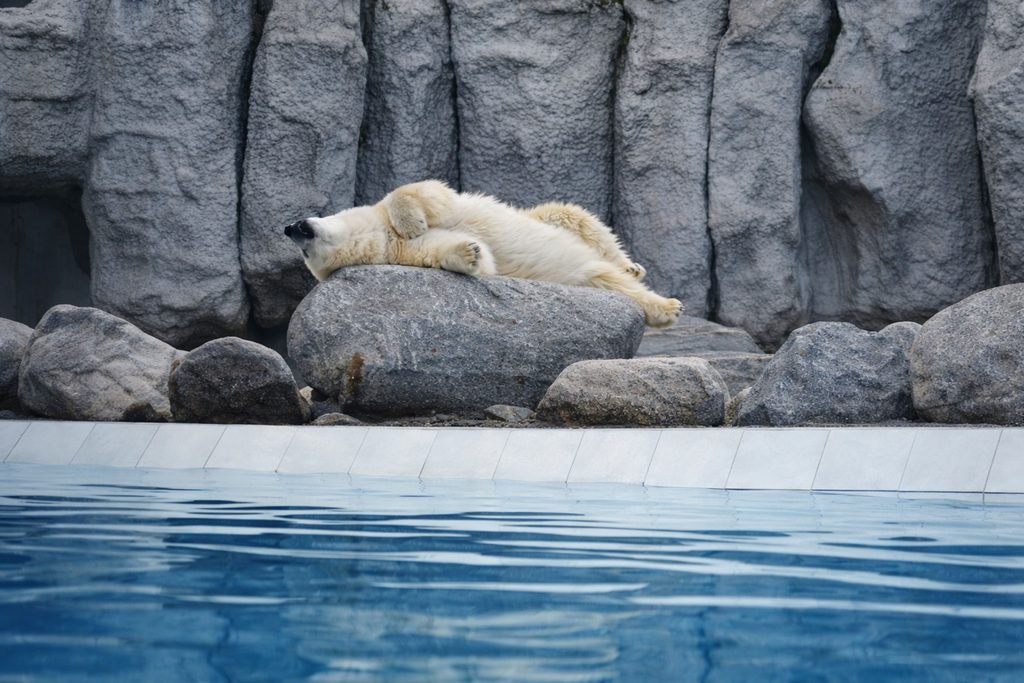
A responsible encounter is usually distant and brief. A bear may be visible as a moving speck on fast ice, walking a beach far from a landing party, or swimming across a fjord. Passengers may spend longer watching the ship leave than watching the animal itself.
That is not a failure of expedition cruising. It is evidence that the operation is behaving properly.
The new legal standard is unambiguous: since January 1, 2025, people and vessels must stay at least 300 meters from a polar bear, and at least 500 meters from March 1 through June 30. If a bear appears within that distance, the visitor must retreat when it is safe to do so. Norway also prohibits unnecessary disturbance, attraction, and pursuit of polar bears. (sysselmesteren.no)
A ship that edges closer for photographs has misunderstood the assignment. So has a passenger who sees the animal chiefly as a missing item on a wildlife checklist.
Svalbard’s rules have made the cruise experience stricter
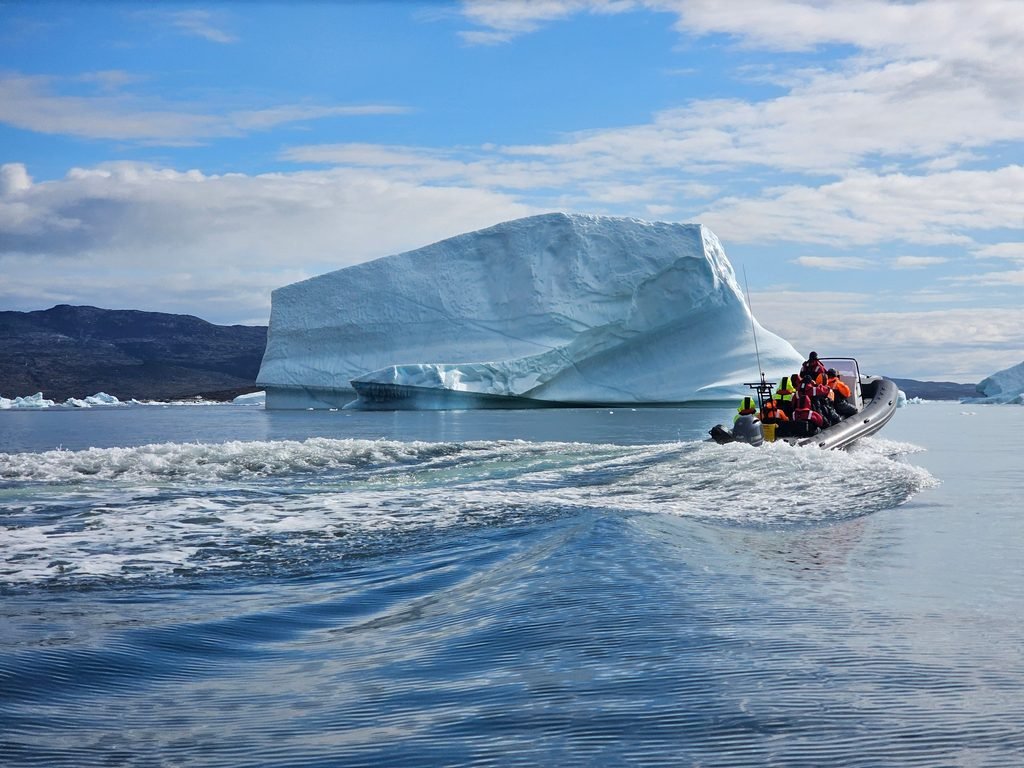
For years, expedition cruising sold a persuasive idea: small ships, Zodiacs, shore landings, expert lecturers, and flexible routes. Much of that still exists. But Svalbard’s environmental framework now imposes sharper limits on where, how, and at what scale tourism can operate.
Fewer landing places, smaller ship capacity in protected waters
Since 2025, tourist landings in many protected areas are limited to 43 mapped sites. In protected areas, ships may carry no more than 200 passengers, and landing parties must be accompanied by a guide with knowledge of the natural and cultural environment. Drones are prohibited in protected areas. There is also a five-knot speed limit within 500 meters of land between April 1 and August 31 in specified coastal contexts. (prod.sysselmesteren.no)
These are not decorative conservation measures. They change the character of a voyage.
A cruise that once treated an empty beach as an invitation must now often bypass it. A Zodiac excursion may be cancelled because fog prevents guides from conducting a proper bear reconnaissance. And when a bear appears near a proposed landing, the correct response is not a dramatic improvisation but a quiet retreat, followed by an alternative plan.
AECO, the Association of Arctic Expedition Cruise Operators, instructs guides to check terrain before passengers land, keep a dedicated bear watch, carry firearms and deterrents, and abandon a landing if visibility is inadequate. It also warns vessels never to follow or approach a swimming polar bear. (aeco.no)
That is a more serious model of tourism than the old “adventure at any cost” version. Frankly, it is also more interesting. It asks travelers to pay attention to ice, wind, distance, and animal behavior rather than demand a performance.
Tourism is growing anyway
The restrictions arrive because human presence is no longer marginal. The Norwegian monitoring program MOSJ reports that tourist-ship and boat landings outside Isfjorden and settlements rose from roughly 24,000 people in 1996 to about 90,000 in 2025. Tourist-related port calls at Longyearbyen increased from around 500 in 2007 to 1,300 in 2023. (mosj.no)
The obvious narrative is that small-ship expedition tourism is inherently gentle. It is gentler than mass tourism in some respects, certainly. But 90,000 reported disembarkations are not negligible in a place whose appeal rests on its sparse human footprint. The environmental problem is cumulative: engines, wakes, repeated landings, noise, nesting birds, trampled tundra, and the simple fact of wildlife repeatedly having to assess people.
Norway’s policy direction is sensible: more local value creation, not endless growth in visitor volume.
The science complicates the familiar climate story
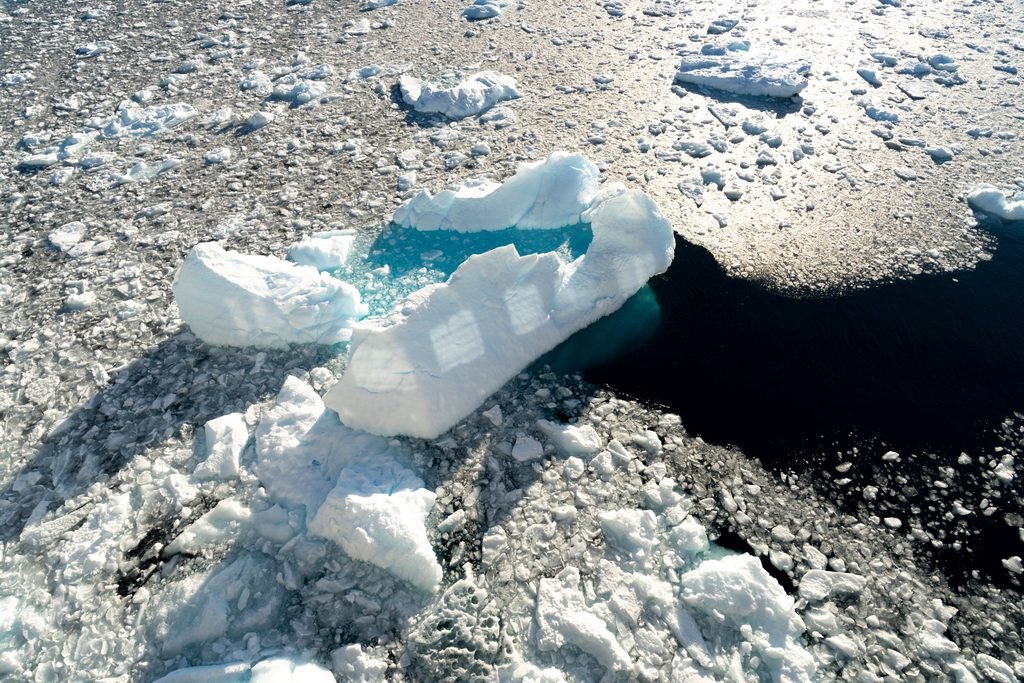
Polar bears in Svalbard belong to the Barents Sea subpopulation, one of 19 recognized polar bear populations worldwide. The numbers are uncertain, partly because these animals move between Norwegian waters, sea ice, and the Russian Arctic. A 2014 Norwegian-Russian assessment put the Barents Sea population at about 2,650 bears; an earlier count estimated 975 bears in the Norwegian area in 2015. (npolar.no)
Uncertainty is not a weakness in this case. It is the honest state of the evidence.
The bears depend heavily on sea ice to hunt ringed, bearded, and harp seals. Sea-ice loss remains the major long-term threat. Yet recent research has produced a counterintuitive finding: Svalbard bears surveyed in spring from 1995 to 2019 were in better body condition than they were 25 years earlier, despite markedly less sea ice.
Jon Aars, senior researcher at the Norwegian Polar Institute and lead author of the study, called the result “surprising.” He said researchers would have expected leaner bears and reduced reproduction after the loss of roughly two months of annual ice time. Instead, the animals’ condition improved. (npolar.no)
That should not be spun into a happy ending. Aars also cautioned that scientists do not know where the critical threshold lies, and that body condition may deteriorate as ice loss continues. Researchers have documented bears using alternative food sources, including bird eggs, chicks, and even Svalbard reindeer. These adaptations are fascinating, but they are not proof that terrestrial food can replace the energy-rich seals that sea ice makes accessible. (npolar.no)
Choosing the right kind of Svalbard expedition
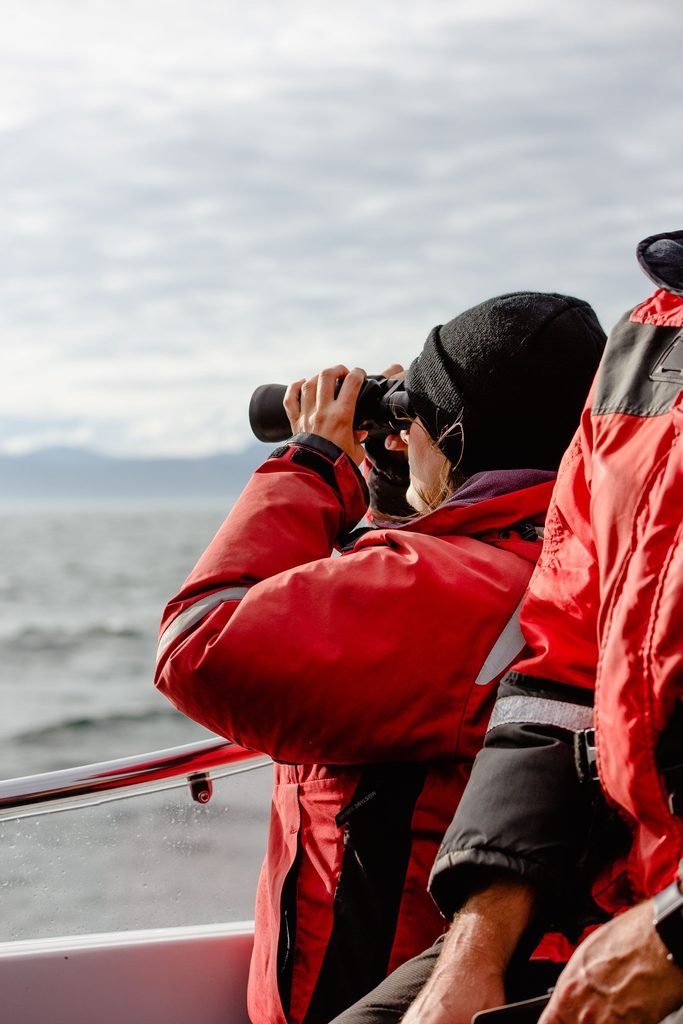
The best cruise is not necessarily the one with the most aggressive wildlife language in its brochure. Avoid any operator that implies it can “find” polar bears on demand, or that presents a close encounter as the measure of a successful voyage.
Look instead for a genuine expedition format: small landing groups; experienced Arctic guides; clear polar-bear safety procedures; naturalists who explain failed sightings as readily as successful ones; and an itinerary willing to be altered by ice or wildlife. Ask what happens if a bear is seen near shore. The answer should be immediate: passengers do not land.
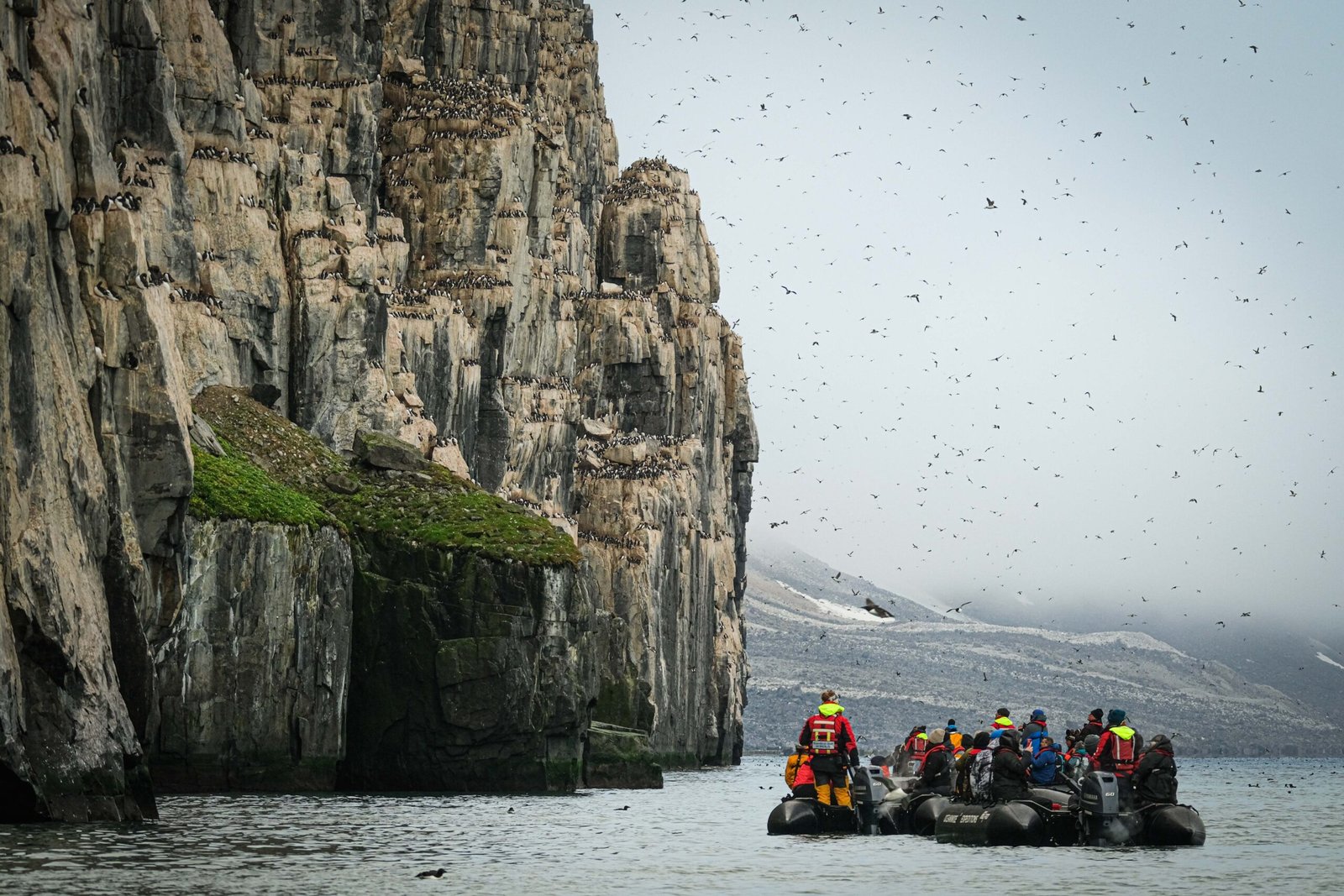
A good voyage may produce no polar bear at all. It may yield walrus hauled out at a legal distance, little auks crowding a cliff, a blue-white glacier calving into a fjord, or an Arctic fox threading across a stony slope. These are not consolation prizes. They are the living fabric of the archipelago.
The polar bear remains the great possibility hovering over every day at sea. But Svalbard’s achievement is that it is becoming harder to turn that possibility into a spectacle.travelminx.com