



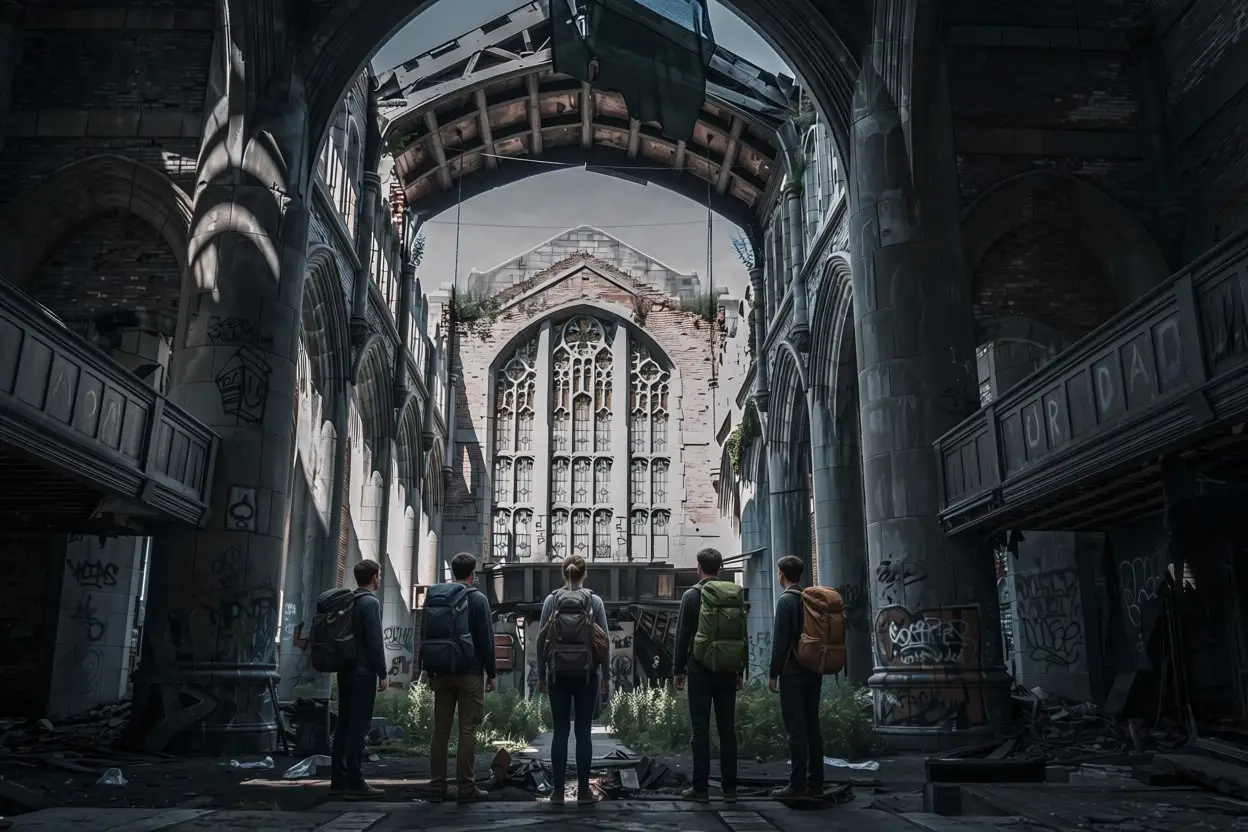
There is a particular kind of quiet that settles over a place people have walked away from. Peeling paint, empty doorways and a faded sign can tell a story better than any museum label. No wonder so many travelers search for places like this. The catch is that many of the sites that look most […]
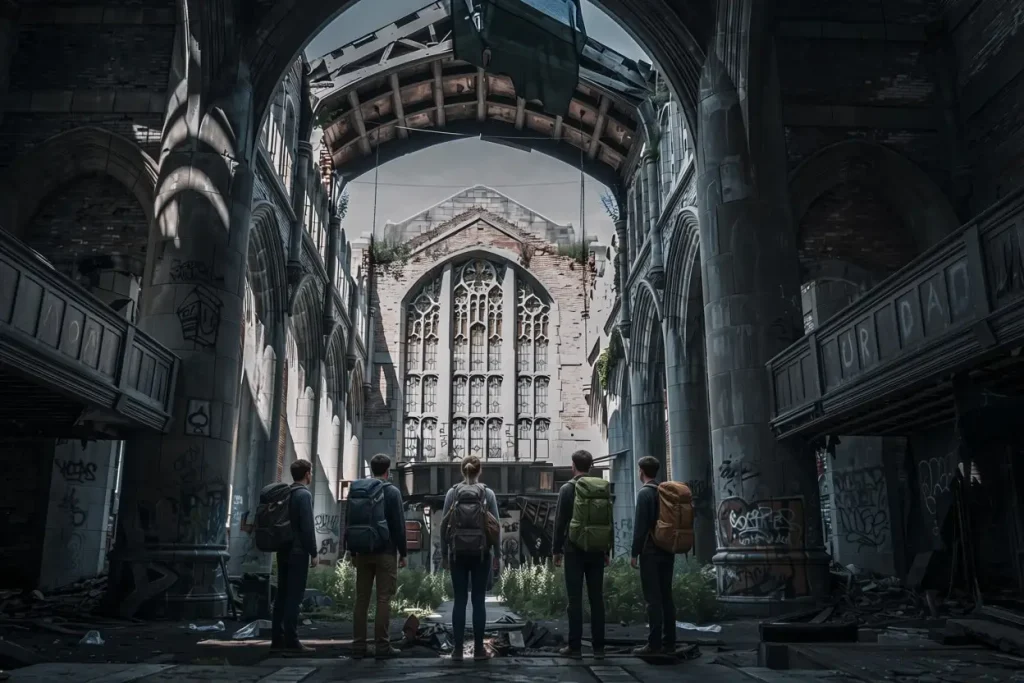
There is a particular kind of quiet that settles over a place people have walked away from. Peeling paint, empty doorways and a faded sign can tell a story better than any museum label. No wonder so many travelers search for places like this.
The catch is that many of the sites that look most tempting online sit on private land, and some are genuinely dangerous. The good news is that you do not need to trespass to enjoy them. The United States has several remarkable abandoned places to visit legally, with real history, clear access rules and a much lower risk of ending your trip with a citation or an injury. This guide shows you how to find them and how to explore abandoned places safely This guide highlights abandoned places to visit legally and what to check before your trip. https://travelminx.com/25-jaw-dropping-places-to-visit-once-in-a-lifetime/.
Why the Legal Side Matters

A fascinating ruin is not automatically open to visitors. A well-known online listing for a failed 1990s Renaissance-themed attraction in Virginia is a good example. It states that the buildings sit on private property and that visiting is prohibited. It also says the site is monitored by local law enforcement and describes the structures as badly deteriorated and extremely unsafe.atlasobscura
The penalties can be real. In Virginia, going onto or remaining on someone’s property after being forbidden is a Class 1 misdemeanor, punishable by up to 12 months in jail and a fine of up to $2,500. Laws vary from state to state, but the principle is the same everywhere: an empty building still belongs to someone.virginiacourtfile
How to Tell If a Site Is Open to the Public
Before you plan a trip, run through this checklist:
- Look for an official page from a park service, state agency or historical society.
- Check for posted opening hours, entry fees or visitor-center information.
- Treat any site without clear public access as private property.
- Contact the local tourism office if the status is unclear.
- Do not rely on a social media post as proof that a place is open.
If you cannot confirm that access is allowed, skip it. There is almost always a legal alternative nearby.
Hazards That Even Legal Sites Can Hold
Open sites are managed, but old structures still deserve respect. Urban exploration safety guides repeatedly warn about weak floors, falling debris and hazardous materials in abandoned buildings. Wooden floors can rot from below and look solid while hiding serious damage.urbexvault
Older buildings may also contain mold, asbestos or lead-based materials. Guidance for explorers recommends avoiding disturbed insulation and treating suspect materials with caution. At a managed historic site, the practical rule is simple: stay on marked paths, respect barriers and never enter areas that are roped off.freaktography
A Simple Safety Kit
You do not need specialist equipment for a ghost town visit, but a few basics help:
- Sturdy closed-toe shoes with good grip.
- Plenty of water and sun protection.
- A charged phone and an offline map.
- A small first-aid kit.
- A flashlight if you plan to visit interior spaces where lighting is limited.
Tell someone your plan and expected return time, especially if the site is remote.
Three Abandoned Places You Can Visit Legally
These three destinations are managed by public agencies or park authorities. That means clear rules, official information and a much safer experience than wandering onto unmarked property.
Bodie State Historic Park, Californiahttps://travelminx.com/svalbard-polar-bear-cruise/
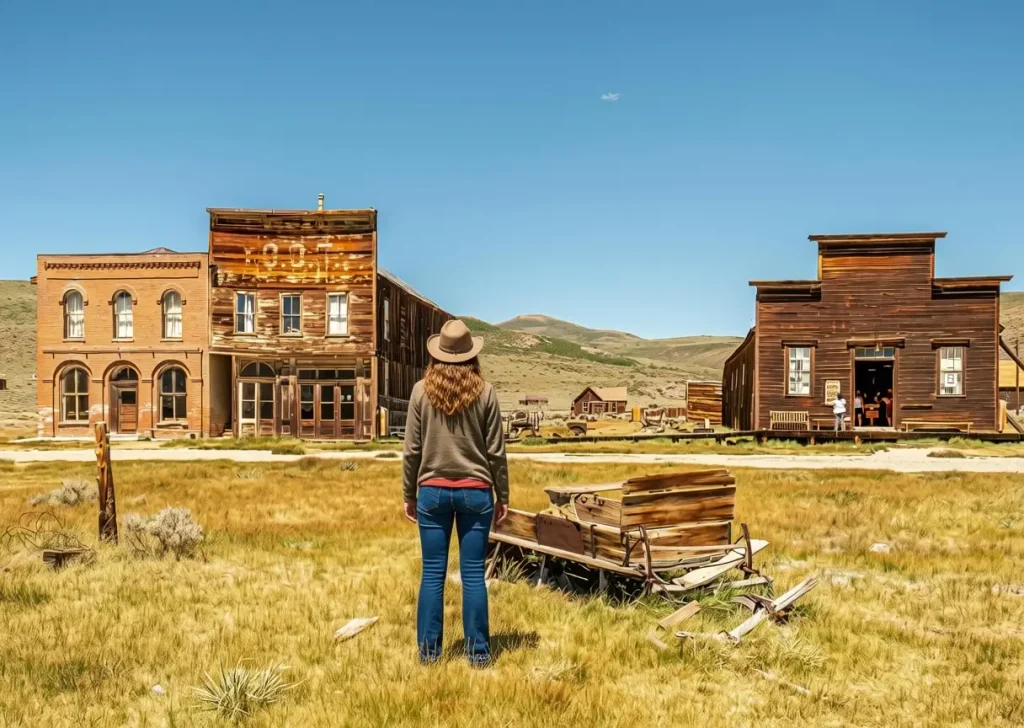
Bodie is a former mining camp preserved in what California State Parks calls a state of “arrested decay.” That means buildings are stabilized, not restored, so visitors see the town much as it was left.parks.ca
You can walk the streets on a self-guided tour and peek through the windows of homes, a church, a saloon and a jail. The state park website lists adult entry at $8 and youth entry at $5, with hours that change by season. Winter hours run from November 1 to May 1.parks.ca+1
Bodie sits at an elevation of 8,375 feet, and winter access can be limited to skis, snowshoes or snowmobiles. Check current conditions before you drive, since weather can change what is possible.visitmammoth
Bannack State Park, Montana
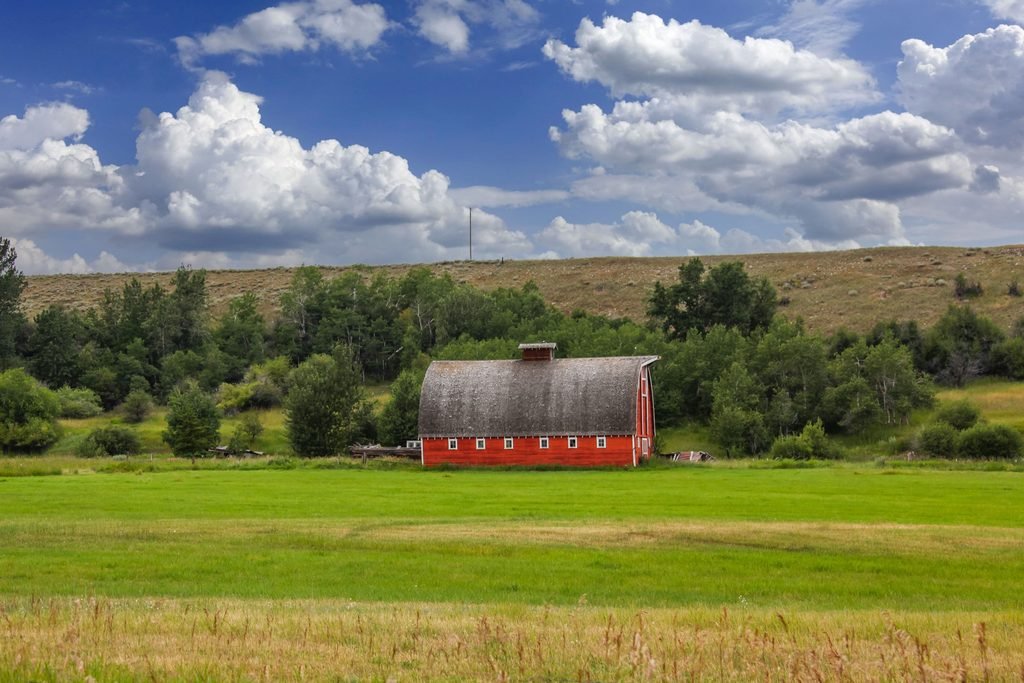
Bannack is one of the best-preserved ghost towns in Montana. It is also a National Historic Landmark and the site of the state’s first major gold discovery in 1862.fwp.mt
The park offers a self-guided walking tour of well-preserved structures, including log cabins, a jail and a hotel. As of October 2026, one listing shows entry as free for Montana residents who pay the state park fee with their vehicle registration. Otherwise it is $8 per vehicle or $4 per walk-in visitor.americasstateparks
The park is open year-round, with winter hours from October 13, 2026 of 8 a.m. to 5 p.m., and it closes on December 24 and 25. The visitor center keeps seasonal hours, so confirm before you go.americasstateparks
Kennecott Mines, Alaska
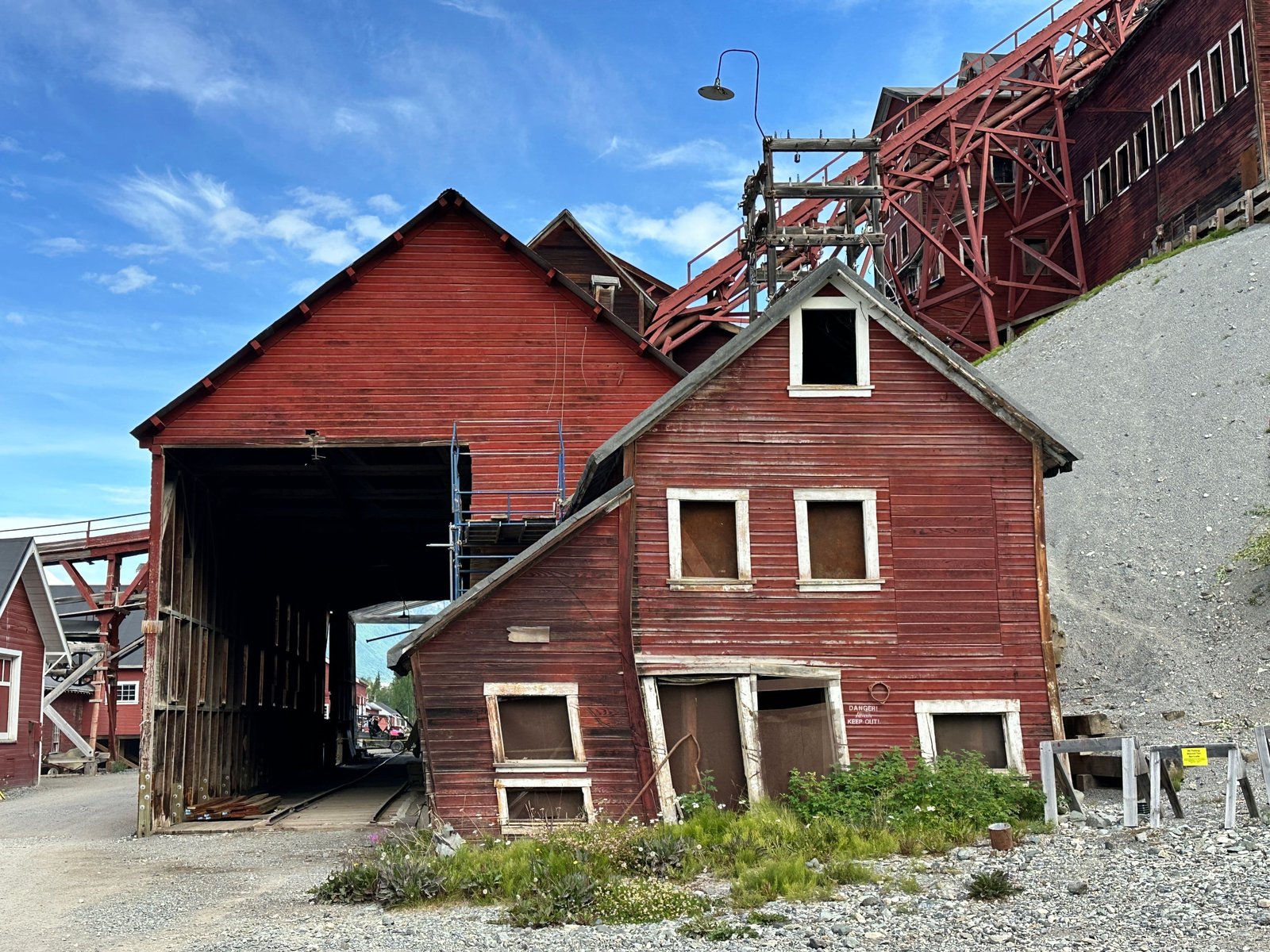
Kennecott is a historic copper mill town inside Wrangell-St. Elias National Park and Preserve. The National Park Service describes the Kennecott Mines National Historic Landmark as having interpretive exhibits at various structures that are open to the public.nps
For a closer look, guided history tours run daily through the summer and last about two hours. According to the park service, a guided tour is the only way to see inside the Concentration Mill building and the Leaching Plant. If a tour is on your plan, book ahead, because slots can fill up in busy months.nps
The location is remote, so plan transport and timing carefully.
How to Plan a Visit
A good ghost town trip takes less preparation than most people expect. Follow these steps:
- Choose your site from official sources. Start with state park, national park or historical society websites.
- Check season and access. Winter closures, snow and road conditions can change a visit completely.
- Confirm fees and hours. Prices and schedules can change, so verify them close to your travel date.
- Pick a realistic time frame. Plan at least a few hours for a well-preserved town so you are not rushing.
- Prepare for the weather. Remote historic sites often have little shade and few services.
- Pack out what you bring. Leave nothing behind but footprints.
Photography Tips for Historic Ruins
Early morning and late afternoon light adds texture to weathered wood and old glass. Look for details rather than only wide shots: rusted hinges, faded wallpaper, a worn staircase. Keep to marked areas, and never move objects to improve a composition.
How to Be a Responsible Visitorwww.booking.com
Historic sites survive because visitors treat them carefully. A few habits go a long way:
- Do not remove artifacts, even small ones.
- Do not carve, write on or climb on structures.
- Follow every posted sign and ranger instruction.
- Keep to marked paths to protect fragile floors and landscapes.
- Take your trash with you.
These rules protect the site and you. They also keep these places open for the next traveler. Before choosing abandoned places to visit legally, check official opening hours and access rules.
Final Thoughts
Abandoned places capture the imagination because they invite you to wonder what happened to the people who left. You can enjoy that feeling without breaking the law or risking injury. Choose sites with clear public access, read the official guidance and plan your trip like any other outing.
If you are unsure where to begin, pick one destination from this guide, check its current hours and conditions, and build a day around it. The best ghost town visits are the ones where you can focus on the history instead of worrying about the consequences.
FAQ
1. Are abandoned places always illegal to visit?
No. Many are managed as parks or historic sites, and visiting them is perfectly legal. The problem is private property. If a site is not clearly open to the public, treat it as off limits. In Virginia, for example, remaining on property after being forbidden is a Class 1 misdemeanor.virginiacourtfile
2. How can I find ghost towns in the US that are open to visitors?
Start with official park or historical society websites. Bodie State Historic Park, Bannack State Park and the Kennecott Mines National Historic Landmark all provide public visitor information.parks.ca+2
3. What are the biggest dangers at abandoned buildings?
Weak floors, falling debris, mold and hazardous materials such as asbestos are common concerns. At managed sites, stay on marked paths and obey barriers.urbexvault+1
4. Do I need to pay to visit a ghost town?
It depends on the site. Bodie lists adult entry at $8, and Bannack lists $8 per vehicle for non-residents. Some guided experiences, such as Kennecott’s mill tour, are run by a park concessionaire and have separate costs.parks.ca+2
5. Can I take photos at historic abandoned sites?
Usually yes, but follow each site’s rules. Stay in permitted areas, avoid touching or moving objects and respect any restrictions on tripods, drones or commercial photography.

One thought on “Abandoned Places to Visit Legally: Safe and Fascinating Ideas in the US”